Iran-Israel13 June, 20253 min read
Israel Launches Coordinated Airstrikes on Iran's Nuclear and Missile Sites, Killing Senior Iranian Military Officials and Nuclear Scientists
Israel conducted coordinated airstrikes on multiple Iranian nuclear and military sites. Strikes killed senior Iranian military officials and nuclear scientists, Iranian state media reported.

12 outlets told this the same way.
Outlets did split on U.S. Intercepts Iran Message Activating Sleeper Cells After U.S.-Israel Strike Kills Khamenei →
Al Jazeera was read line by line by the Watchdog: 3.3. See the score →
Israel Iran air strikes
Israel launched a major cross-border air campaign against Iran in an operation the Israeli military called "Rising Lion," striking scores of sites it described as nuclear and military facilities. Al Jazeera reported that about 200 fighter jets struck more than 100 targets in at least eight locations, including Tehran, the Natanz enrichment site and a research center in Tabriz, framing the operation as a significant escalation aimed at damaging Iran’s nuclear infrastructure. The BBC described new rounds of reciprocal strikes, saying Iran reported Israeli airstrikes on multiple sites and that the exchanges marked a major escalation in their years-long shadow war.
“Israel launched large-scale airstrikes across Iran early Friday, targeting nuclear facilities and military sites in an operation the Israeli military called ‘Rising Lion.’”
The Hindu likewise stated that Israeli forces said they struck targets in Iran and quoted an Israeli claim of strikes on dozens of nuclear and military sites. Together these accounts portray a large, coordinated Israeli offensive that reporting links explicitly to Iran’s nuclear and missile programs.

Conflicting reports on Iranian strikes
Iranian state media reported multiple casualties, including senior figures and nuclear scientists, while other outlets and agencies signalled uncertainty about verified death tolls and damage to nuclear facilities. Al Jazeera reported that Iranian state media named senior figures Hossein Salami (IRGC commander-in-chief) and Mohammad Bagheri (Armed Forces chief of staff) and several nuclear scientists, and quoted Tehran’s supreme leader promising a "bitter and painful fate".
By contrast, the BBC noted that Iranian casualty figures were not yet reported even as it listed a range of struck sites, and the IAEA — cited by Al Jazeera — said it had not detected increased radiation at Natanz and that Fordow and the Bushehr plant were not affected. The Hindu added an Israeli official’s warning that Iran had amassed enough material to make about 15 nuclear bombs within days, illustrating how claims about both casualties and nuclear impact varied across reports.
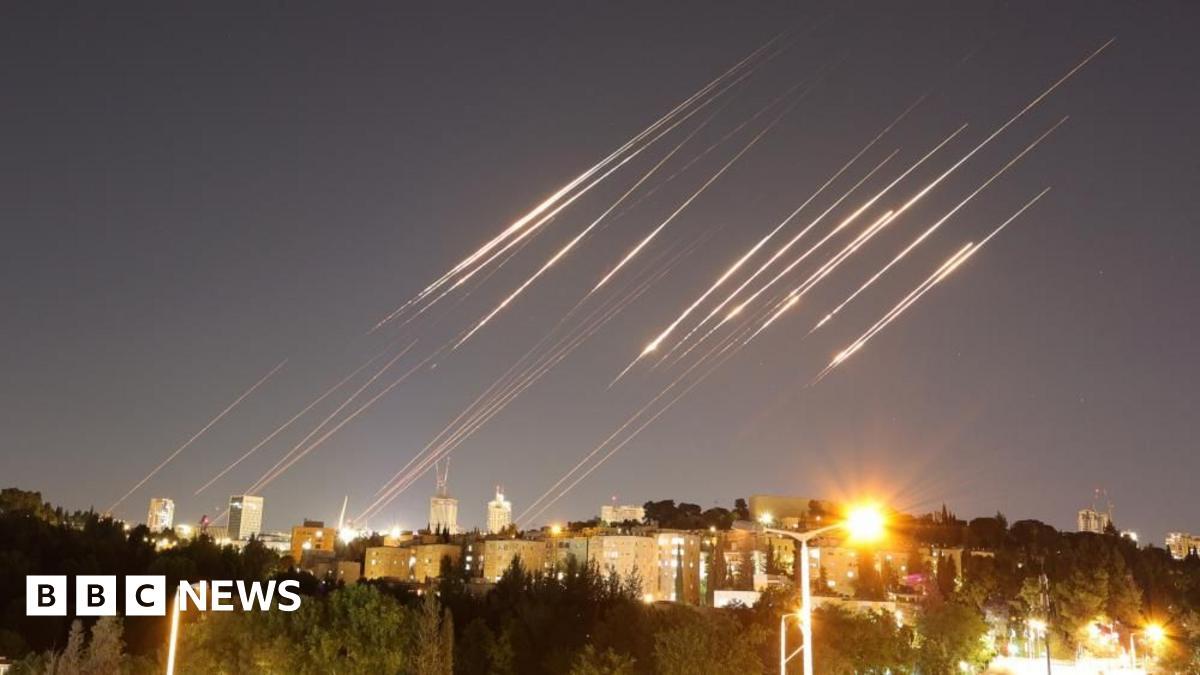
Iran-Israel strike impacts
The exchanges immediately raised regional alarm, prompting drone and missile retaliations, civil-security measures in Israel, and wide disruptions to travel and markets.
“Following the raid, Iran launched roughly 100 drones toward Israel, which Israeli forces said they were intercepting (some interceptions reported outside Israeli territory); drones were tracked crossing Iraqi airspace and Jordan reported intercepts and air‑raid sirens.”
Al Jazeera reported Iran launched roughly 100 drones toward Israel, while the BBC said Israel experienced fresh missile and rocket barrages that hit towns such as Tamra, Bat Yam and Rehovot, with emergency services confirming deaths and injuries.
Travel And Tour World and Newsweek documented fallout for aviation and travel advice: international carriers suspended or rerouted flights and multiple governments raised travel warnings, with Newsweek reporting the U.S. State Department urging caution and Travel And Tour World naming carriers such as Lufthansa, Emirates and Qantas halting routes.
The Moscow Times emphasized the economic angle, noting oil prices briefly jumped, reporting Brent rose about 13%, and illustrating how sources differed in focus from human impact and civil security to market disruption.
International responses and claims
International responses and claims of responsibility remain contested and sometimes contradictory, creating ambiguity about damage and external involvement.
Al Jazeera reported Iran said it has the right to respond and accused the US of coordinating the strikes, while the BBC quoted former U.S. President Donald Trump posting that 'The U.S. had nothing to do with the attack on Iran.'

Al Jazeera also cited the IAEA's technical finding that it had not detected increased radiation at Natanz, a point that complicates Iranian state media's casualty and nuclear-damage claims.
Several outlets noted diplomatic fallout: the BBC said the escalation cancelled planned talks between Washington and Tehran, and Newsweek and Travel And Tour World recorded numerous government travel alerts and warnings.
Overall the record is fragmented: state outlets and officials make strong assertions, independent agencies report mixed technical findings, and mainstream outlets stress uncertainty.