Lebanon25 November, 20252 min read
Israel Launches Deadly Airstrike on Palestinian Refugee Camp in Lebanon
This article is an automated aggregation of coverage from news outlets. Our editorials offer in-depth analysis curated by the NewsCord team.
Israeli strike on Ein al-Hilweh killed at least 13 civilians, including 11 children. UN rights office demanded prompt, impartial investigations into possible violations of international humanitarian law.
5 outlets told this the same way.
Outlets did split on Hezbollah Announces Up To $14,000 Housing Allowances For Displaced People In Lebanon →
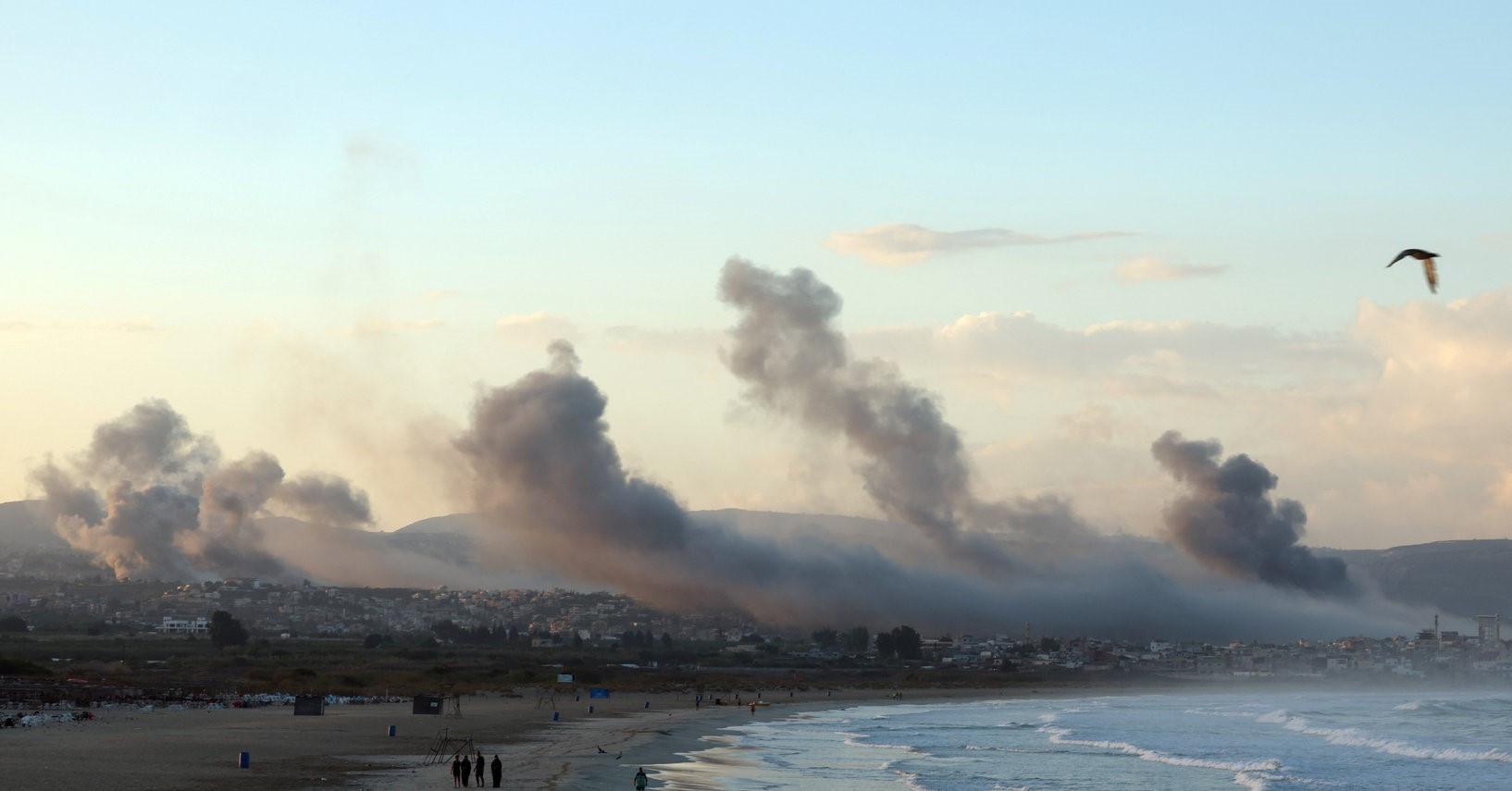
Ain al-Hilweh airstrike aftermath
An Israeli airstrike hit the Ain al-Hilweh Palestinian refugee camp in Lebanon, killing 13 people, 11 of them children, and prompting urgent calls for investigation from the United Nations human-rights office. UN officials said all documented fatalities in that strike were civilians and warned the attacks may amount to violations of international humanitarian law, urging "swift, impartial probes" and accountability for those responsible. The incident has renewed international concern about the conduct of hostilities along the Israel–Lebanon front and about protecting civilians in densely populated refugee-camp areas.
“The UN on Nov. 25 urged swift, impartial probes into recent Israeli strikes in Lebanon — including a deadly attack on the Ain al-Hilweh Palestinian refugee camp — saying the strikes may violate international humanitarian law and stressing the need for accountability and justice.”
Post-ceasefire civilian toll
Official tallies and verified counts point to a wider pattern of violence since the ceasefire. Lebanon's health ministry reported more than 330 killed and 945 wounded. UN verification put the civilian toll at a minimum of 127 deaths in the period after the November 2024 ceasefire.
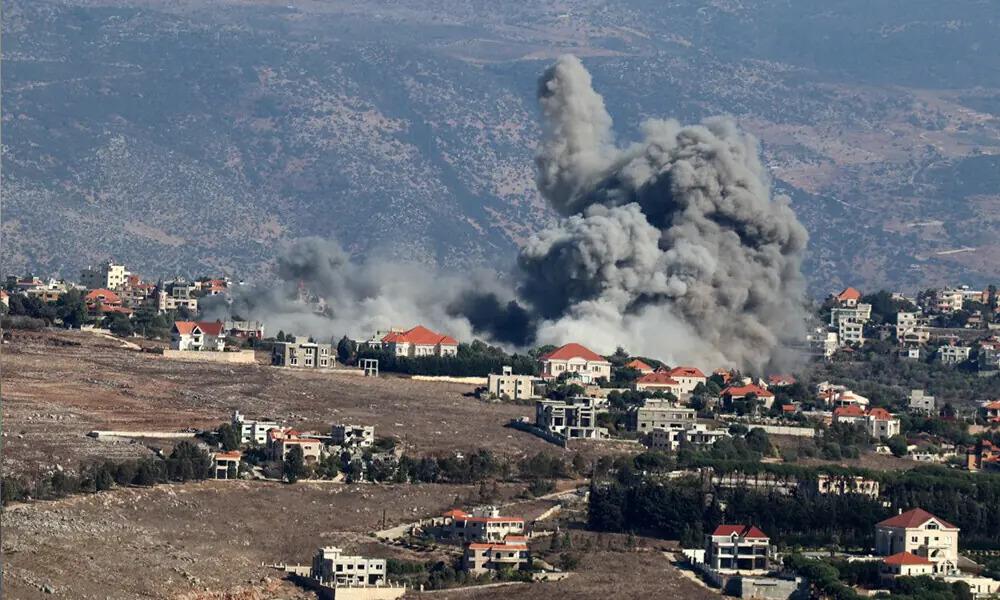
UN and humanitarian monitors say strikes have continued nearly a year after the ceasefire and that damage to civilian infrastructure has hindered reconstruction and returns. They frame the Ain al-Hilweh strike as part of a broader post-ceasefire pattern of hostilities affecting civilians.
Responsibility for strikes
There is a clear dispute over responsibility and justification for the strikes. Lebanon accuses Israel of breaching the ceasefire, while Israeli officials publicly justify operations as targeting Hezbollah and allied militants they say are rebuilding military capabilities.
“Lebanon says Israel is breaching the ceasefire; Israel blames Hezbollah for rebuilding military capabilities.”
The UN’s statements and verification data have been used to highlight civilian harm and to call for impartial investigations. Israel has repeatedly framed its actions in terms of security and deterrence, creating competing narratives about cause, responsibility and legality.
International accountability calls
International actors have called for restraint and accountability. The UN explicitly called for impartial probes and for those responsible to be held to account, and reporting notes the implications for reconstruction and returns in affected communities if attacks continue.
The New Arab mentions expectations that Israel will investigate its forces and that Lebanon will investigate violations on its side. The Daily Times highlights how UN officials described the fatalities as all civilians, raising serious concerns about Israel's military conduct, and general summaries predict international calls for de-escalation from actors such as the UN, US and EU.
