
Israel Launches Heavy Strikes on Tehran
Key Takeaways
- Strait of Hormuz shipping lane has been shut and severely disrupted
- Global oil prices soared following Gulf attacks and shipping disruptions
- Israeli strikes hit Beirut; Iranian-allied forces attacked Gulf targets, causing casualties and regional alarms
Strikes on Tehran reported
Israeli forces carried out heavy strikes on Tehran and surrounding areas, with multiple outlets reporting intense air operations and targeted attacks in the Iranian capital.
“Heavy Israeli strikes have hit Tehran, Iran, as its allies launch attacks across Gulf states, and shipping through the Strait of Hormuz has been severely disrupted, sending global oil prices soaring”
Al Jazeera reported that Israel “had struck checkpoints set up in Tehran by the Basij force of Iran’s Revolutionary Guard,” and also noted that Iran fired a “new barrage of missiles towards Israel” prompting shelter alerts.
The Economic Times described “intense airstrikes hit early Friday around Iran’s capital, Tehran, as well as outlying areas,” while UCA News provided leadership context, reporting that Iran’s new supreme leader “has yet to appear publicly since his nomination on March 8” as tensions mounted.
US military posture and rhetoric
The strikes unfolded amid a rapidly escalating military posture involving the United States and vocal threats from world leaders.
Al Jazeera noted US force posture changes in the region, reporting “The US Army has deployed 10,000 Merops interceptor drones to the Middle East” as part of drone-defence measures.
The Economic Times recorded that “President Donald Trump threatened severe retaliation against Iran,” while UCA News said Trump had written that stopping what he called an “evil Empire, Iran” was “of far greater interest” than oil prices, illustrating the intensity of US rhetoric and preparations.
Regional spillover, oil impact
The conflict spread beyond Iran’s borders, striking Gulf energy infrastructure and disrupting shipping through the Strait of Hormuz, with major economic consequences.
“Smoke rises from the site of an Israeli airstrike that targeted an area in Beirut’s southern suburbs late on March 10”
UCA News reported Iran’s new supreme leader ordered forces to “keep the vital Strait of Hormuz shipping lane shut on March 12,” and cited the IEA warning the war could lead to “the largest supply disruption” in history.
The Economic Times documented the market effect, saying “Brent prices have spiked as high as about $120 per barrel,” and Al Jazeera reported incidents across the wider theatre, including that “All six crew died when a KC-135 aerial refuelling plane crashed in western Iraq,” underscoring how fighting affected multiple states and commercial routes.
Casualties and displacement
Reported casualties and mass displacement varied sharply across sources, with different tallies for Iran, Lebanon and the wider region.
Al Jazeera cited Lebanese officials saying “at least 687 people have been killed in Israeli attacks on Lebanon since last Monday, including 98 children,” while UCA News reported “In Iran, over three million people have been displaced by the war” and that “Iran's health ministry said on March 8 that more than 1,200 people have been killed in the war.”
The Economic Times gave alternate figures, noting “Iranian authorities say more than 1,300 people have been killed there, and Israel has reported 12 deaths,” highlighting discrepancies and the difficulty of reconciling counts in an active conflict.
Leaders' rhetoric and threats
Political leaders escalated hardline rhetoric and signalled further instability, with public calls that could broaden the conflict.
“Donald Trump issues new threat to Iran online; says their military 'being decimated' Synopsis An Israeli strike killed one person in Beirut”
Al Jazeera reported Prime Minister Benjamin Netanyahu saying Israel “can create conditions for regime change,” while UCA News quoted Khamenei urging Gulf states to close US bases and vowing revenge, reporting he said “The lever of blocking the Strait of Hormuz must definitely be used.”
The Economic Times recorded President Trump’s blunt declaration that “we are totally destroying the terrorist regime of Iran, militarily, economically, and otherwise,” capturing the adversarial public posture from multiple capitals.
More on Iran
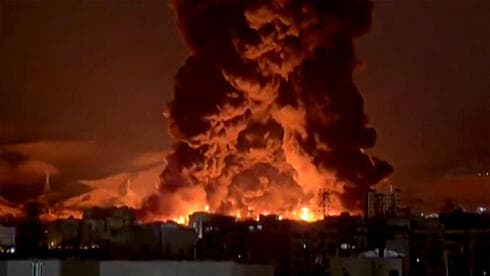
US obliterates military targets on Iran’s Kharg Island, Trump warns
13 sources compared
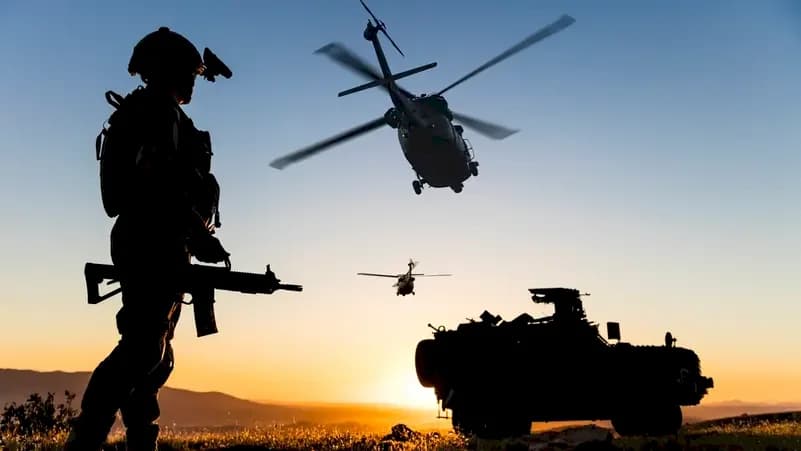
US Deploys About 2,500 Marines to Middle East After Iran Attacks Gulf Shipping
33 sources compared
FBI Warns of Iranian Drone Plot Based on Unverified Tip; California Says No Credible Threat
10 sources compared

White House Demands ABC Retract Report Claiming Iran Sought To Launch Drone Attacks On California
11 sources compared