
Israel Launches New Strikes on Hezbollah Targets in Southern Beirut, Vows Great Force
Key Takeaways
- Israel launched a new large-scale strike wave against Hezbollah targets in southern Beirut
- Israel vowed to act with great force in the southern Beirut operations
- Iran's Revolutionary Guards claimed strikes on a Liberia-flagged vessel Israeli-owned
Strikes, warnings, and escalation
Israel’s military said it launched a new wave of strikes on Hezbollah targets in southern Beirut, vowing to act with "great force" in the area, as the conflict widened across Lebanon and Iran-linked fronts.
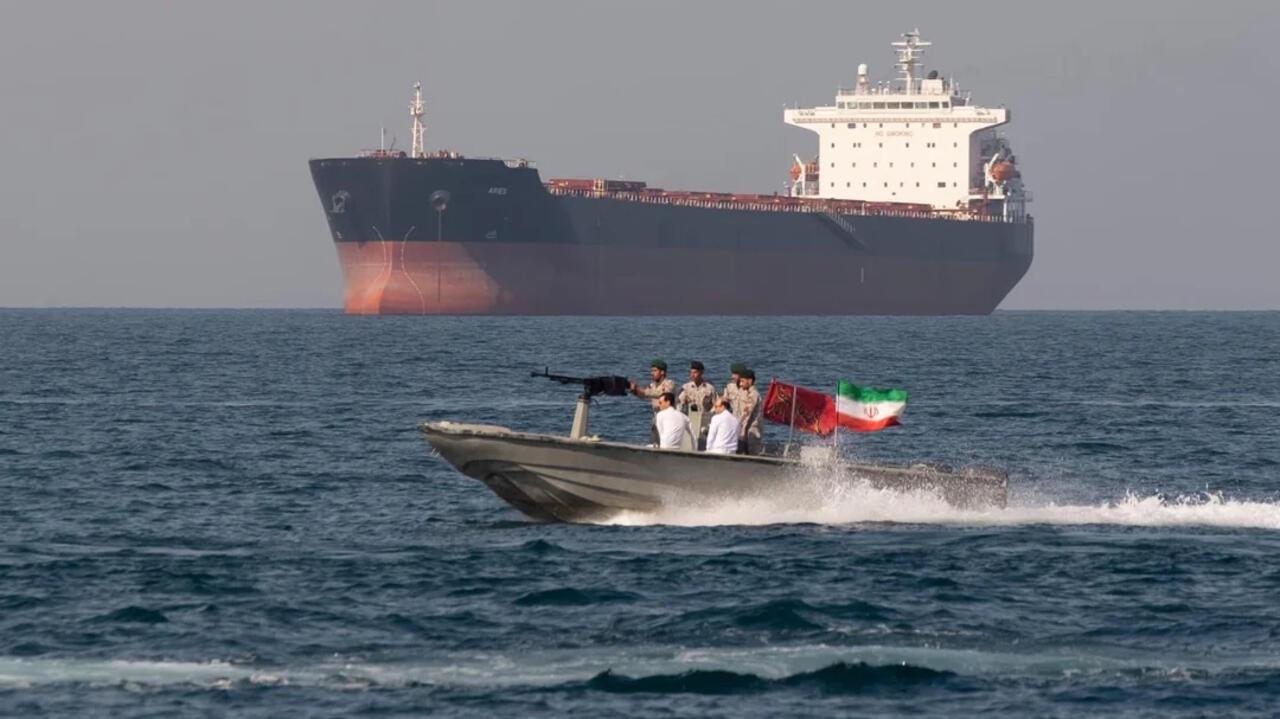
France 24 reported that Israel’s Defense Minister Israel Katz said Israel will “intensify and expand” its military campaign against Iran, while Iran’s Revolutionary Guards said they struck a Liberia-flagged vessel and a Thai bulk carrier in the Strait of Hormuz after they ignored warnings to stop.
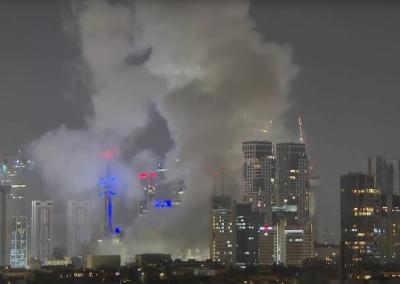
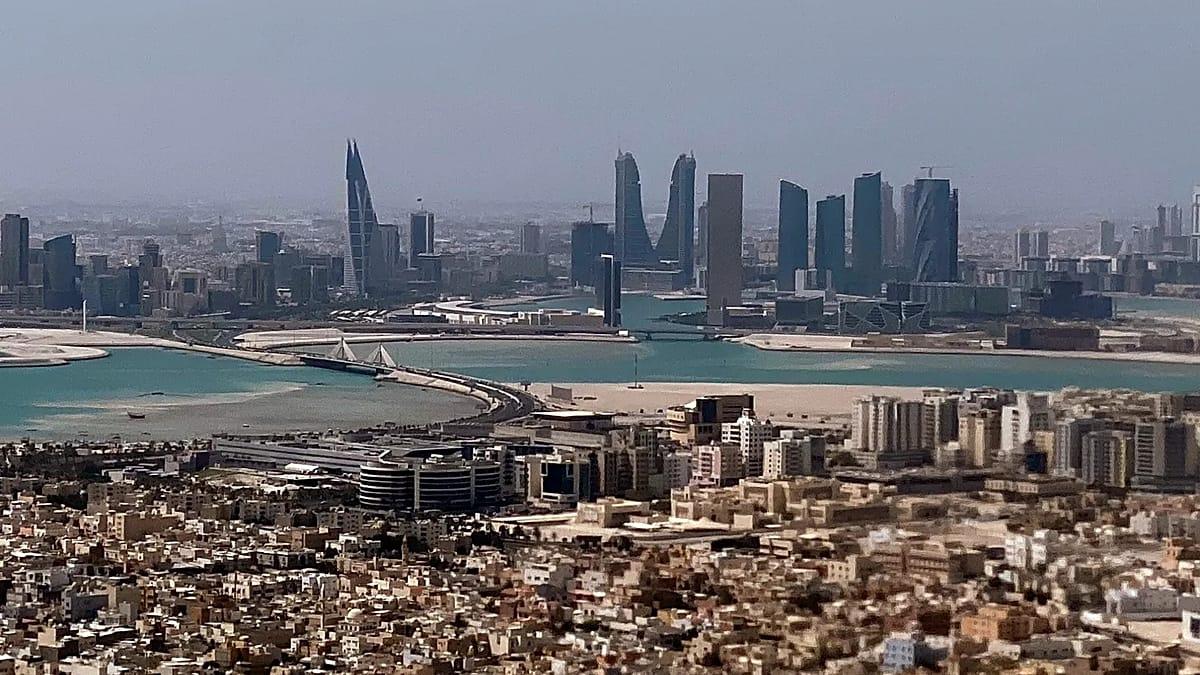
In the same reporting stream, Bahrain told residents to stay home after an Iranian attack on fuel tanks in Muharraq Governorate, posting that the “blatant Iranian aggression targets fuel tanks at a facility in Muharraq Governorate.”
The escalation also included maritime disruption: CBS News described how Iran’s Revolutionary Guards said they struck the Thai-registered Mayuree Naree and a Liberia-flagged vessel in the strait because the ships had ignored "warnings."
Time Magazine added that the dueling warnings followed a new Iranian missile barrage early Friday that Israel said its defense systems intercepted over central and southern parts of the country.
The CFR daily brief framed the overall picture as continued fighting, stating that Iran vowed to continue the war in a statement attributed to new Supreme Leader Mojtaba Khamenei and that “no immediate end to the war” was suggested by statements from both capitals.
Strait of Hormuz becomes the focal point
The Strait of Hormuz emerged as a central arena for both operational claims and political messaging, with multiple outlets describing strikes, evacuations, and coordination demands.
Time Magazine reported that Iran’s Islamic Revolutionary Guard Corps issued its own warning Friday morning, urging civilians near U.S. military positions in the region to leave, and it quoted the statement’s accusation that the U.S. and Israel were operating from civilian areas and that Iranian forces would target them “wherever we find them.”

PressTV, in a separate account, said the commander of Iran’s highest operational command unit warned that Iran’s armed forces will target any foreign forces, particularly from the US military, that attempt to approach or enter the Strait of Hormuz, and it emphasized that “the security of the Strait of Hormuz is solely under the authority of the Islamic Republic of Iran's armed forces.”
France 24 described Bahrain’s response to an Iranian attack on fuel tanks and also noted that Oman shifted all vessels out of its main oil export terminal at Mina Al Fahal outside the Strait of Hormuz as a precaution.
CBS News added a human dimension to the maritime disruption by reporting that three crew members were “believed to be trapped” aboard the Thai ship Mayuree Naree after it was struck, and it quoted Precious Shipping saying, "Three crew members are reported missing and believed to be trapped in the engine room."
CFR’s brief tied the economic stakes to the operational reality, noting that Iran’s ambassador to the United Nations argued Tehran would not fully close the Strait of Hormuz while the semi-official Fars News Agency said ships passing through “could be at risk from missiles or rogue drones.”
Diplomacy, deadlines, and competing narratives
While the battlefield and shipping lanes were under pressure, the sources also described a parallel diplomatic track defined by warnings, proposed timelines, and disputes over whether talks were underway.
Time Magazine said President Donald Trump would delay strikes on Iranian energy infrastructure until April 6, and it quoted Trump writing on Truth Social: “Talks are ongoing and, despite erroneous statements to the contrary by the fake news media, and others, they are going very well.”
It also reported that the extension followed reports that Washington sent a 15-point cease-fire proposal to Iran via Pakistan, which Iranian state media said was rejected, and it noted that Tehran had floated its own proposal calling for war reparations and sovereignty over the Strait of Hormuz.
In the same account, Iran’s Foreign Minister Abbas Araghchi said in an interview Wednesday that “I state firmly that there has been no negotiation or dialogue with the American side,” and he added that messages being exchanged through intermediaries “is not called negotiation or dialogue, it is simply an exchange of messages through our friends.”
France 24 described President Emmanuel Macron calling on Israel to halt its ground offensive in Lebanon and on Hezbollah to “immediately” stop attacks, and it quoted Macron: “Hezbollah made a major mistake in dragging Lebanon into a confrontation with Israel. It must immediately cease its attack.”
The CFR brief, meanwhile, emphasized that Iran vowed to keep fighting and that the statements from both capitals suggested “no immediate end to the war,” even as it noted international pressure and U.S. diplomatic activity.
Voices from capitals and commanders
The sources presented a set of sharply contrasting statements from Israeli officials, Iranian commanders, and U.S. leadership, each framing the conflict in terms of deterrence, responsibility, and targeting.
Time Magazine quoted Israel’s Defense Minister Israel Katz saying, “The prime minister [Benjamin Netanyahu] and I warned the Iranian terror regime to stop the missile fire toward the civilian population in Israel,” and it added Katz’s warning that “IDF strikes in Iran will intensify and expand to additional targets and domains that assist the regime in building and operating weapons against Israeli civilians.”
It also quoted Katz saying Iran would “pay heavy and increasing prices” for the attacks.
PressTV, by contrast, cast Iran’s posture as defensive and retaliatory, quoting Major General Ali Abdollahi warning that the “criminal leaders and the aggressive, terrorist American army” had resorted to piracy and banditry and that Iran would respond with a “severe and regret-inducing response.”
CFR’s brief added a U.S. command voice, saying U.S. Defense Secretary Pete Hegseth pledged to “keep advancing” with “no mercy for our enemies.”
Across the same reporting set, the conflict’s operational claims were paired with warnings to civilians: Time Magazine described Iran urging civilians near U.S. military positions to evacuate, while CBS News described the aftermath of strikes that left crew members missing and trapped.
Costs, cultural damage, and next steps
The sources also described consequences that extend beyond immediate strikes, including reported costs to U.S. forces and damage to cultural heritage sites, alongside ongoing uncertainty about the war’s trajectory.
France 24 reported that the Pentagon told Congress the first week of the Iran war cost $11.3 billion, citing a person familiar with the situation, and it also described Israel’s strikes as killing more than 600 people in Lebanon and uprooting 800,000 more, according to Lebanese authorities.
CBS News said U.S. and Israeli strikes on Iran have damaged at least four cultural and historical sites, including palaces and an ancient mosque, and it reported that UNESCO confirmed it verified damage to the lavish Qajar-era Golestan Palace in Tehran as well as the 17th century Chehel Sotoun palace and the Masjed-e Jāme in Isfahan.
CBS News further described UNESCO providing all parties to the conflict with the geographical coordinates of the heritage sites ahead of time, quoting that it was “to take all feasible precautions to avoid damage.”
On the operational side, CBS News described how the Omani navy rescued 20 sailors and efforts were underway to rescue the remaining three from the Thai ship, while Reuters was cited as reporting that both vessels had fires on board in the Iraqi waters attacks.
CFR’s brief suggested that economic fallout remained central, noting that in response to the near-halt in oil shipping in the strait the United States temporarily lifted sanctions yesterday on Russian oil that was already at sea, and it included German Chancellor Friedrich Merz’s criticism that the war in Iran should not distract from support for Ukraine.
More on Iran

Trump Announces Project Freedom To Guide Stranded Ships Out Of Strait Of Hormuz Monday
19 sources compared
Iran Claims It Struck U.S. Navy Vessel Near Strait of Hormuz, CENTCOM Denies
19 sources compared
Iran Destroys 74 Missiles And 117 Drones In Bahrain, Bahrain Defence Forces Say
10 sources compared
Iranian Media Claims Two Missiles Hit US Frigate Near Strait of Hormuz, Washington Denies
29 sources compared