Gaza Genocide15 April, 20269 min read
Israel Launches Strikes in Lebanon After Hezbollah Rocket Fire, CBS Reports
Israel conducts airstrikes across southern Lebanon after Hezbollah rocket fire. Hezbollah rocket attack wounds five Israeli soldiers in south Lebanon.
Gaza War Echoes North
The war in Gaza has spilled into Lebanon’s border region as Israel and Hezbollah traded near-daily fire, with multiple outlets tying the escalation directly to the Gaza conflict.
CBS News reported that Israeli fighter jets “began a series of strikes in Lebanon,” raising fears of a war between the two countries after “months of cross-border fire” and “increasing tension fueled by the war between Israel and Hamas in the Gaza Strip.”

The same CBS report anchored Hezbollah’s stated condition for de-escalation to Gaza, quoting Hassan Nasrallah saying fire from southern Lebanon would end “when the attack on Gaza stops and there is a cease-fire” between Hamas and Israel.
Le Monde similarly described the Israeli raids as occurring after rocket fire from Lebanon and framed the exchange as part of the Gaza war context, noting that Hezbollah has been targeting Israeli military positions “in support of the Palestinian Islamist movement” Hamas.
Le Quotidien.lu added that “Since the day after Hamas's deadly attack in Israel on Oct. 7, which triggered the war in the Gaza Strip,” Hezbollah has targeted border positions while Israel “regularly bombs southern Lebanon.”
In the background of these Gaza-linked exchanges, the cross-border violence has already produced large casualty totals, with CBS citing an AFP tally that “at least 243 people have been killed in Lebanon,” and Le Monde citing an AFP tally that “at least 248 people” had been killed on the Lebanese side.
On the Israeli side, CBS and Le Monde both referenced Israeli official figures, with CBS saying “On the Israeli side, nine soldiers and six civilians have been killed,” and Le Monde saying “On the Israeli side, 10 soldiers and six civilians have been killed, according to the Israeli army.”
Cross-Border Strikes and Deaths
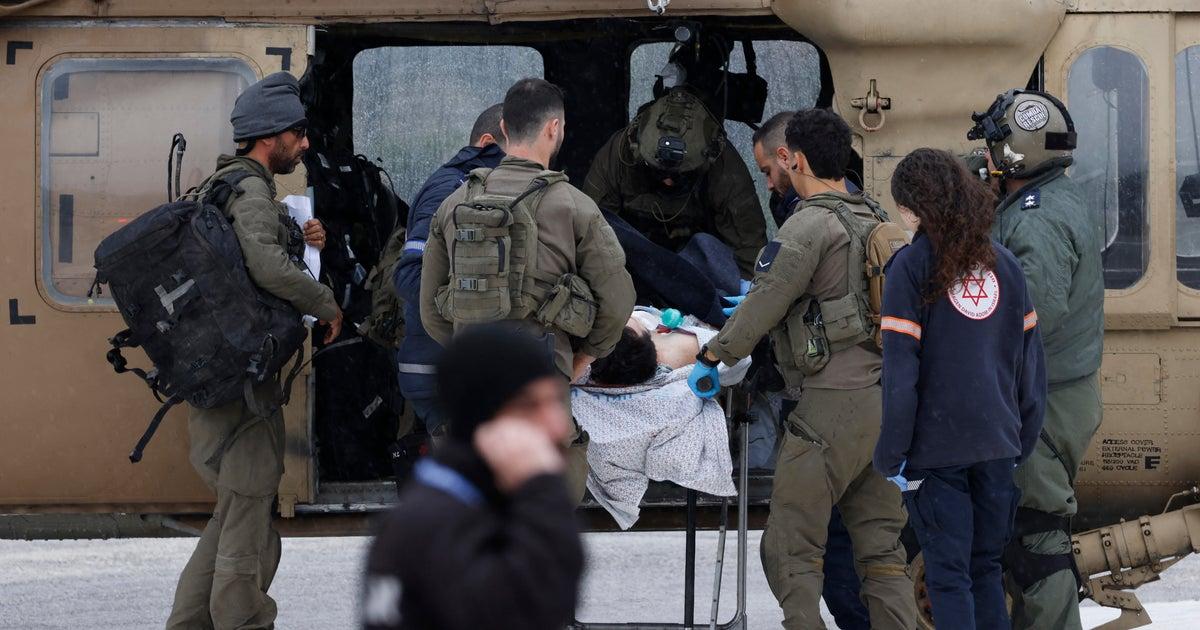
Israeli actions described in the sources included air raids and strikes on multiple locations in south Lebanon, while Lebanese official media described deaths among civilians and a Hezbollah fighter. CBS News said the Israeli military gave “no further details on the airstrikes,” but reported that “Lebanese media said three villages were hit,” and it placed the timing “hours after fire from Lebanon wounded multiple people in northern Israel.” The CBS report said seven people were wounded, “five of them in the town of Safed,” citing the Magen David Adom emergency service, and an AFP photographer saw medics and troops evacuating a wounded person by military helicopter from Safed’s Ziv hospital.
Vanguard News described a soldier killed in rocket fire from Lebanon and said Lebanese official media reported “three civilians and a Hezbollah fighter were killed in a series of Israeli strikes,” with the Israeli military naming the dead soldier as Sergeant Omer Sarah Benjo, 20. Le Monde and Le Quotidien.lu both described the Israeli military statement that Sergeant Omer Sarah Benjo, 20, was killed “as a result of a [rocket] launch carried out from Lebanese territory on a base in northern Israel.” Le Monde added that fighter jets struck “Hezbollah terror targets” in areas including Souaneh and Aadchit, and it said NNA reported a house in Souaneh hit by two strikes “leading to its destruction” and the death of “three members of the same family,” identified as a Syrian woman and two children aged 13 and two.
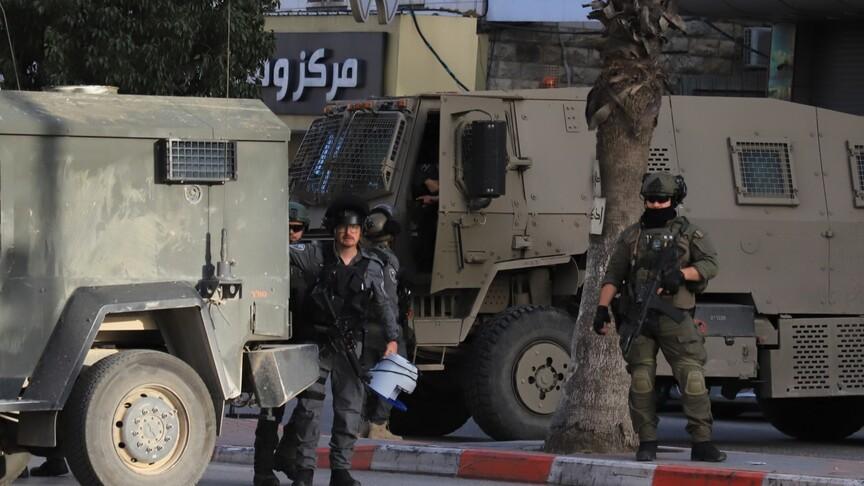
Le Quotidien.lu similarly listed areas hit as “Jabal el Braij, Houneh, Dunin, Adchit and Sawaneh,” and it said the rocket fire that preceded the raids “had not been claimed at this stage by the pro-Iranian Hezbollah.” The Guardian’s report on the same broader Israel-Gaza war context described “Eleven civilians, including six children” killed by Israeli strikes on villages across southern Lebanon, and it quoted hospital director Hassan Wazni and Reuters about wounded people. Across these accounts, the sources also recorded Israeli and Hezbollah casualties and the scale of displacement, with CBS saying “Tens of thousands of people have been displaced on both sides of the border,” and the Guardian saying the exchanges raised fears of a broader conflict and referenced the “worst single-day civilian death toll in Lebanon since cross-border hostilities began in October.”
Hospital Near-Miss and Medical Response
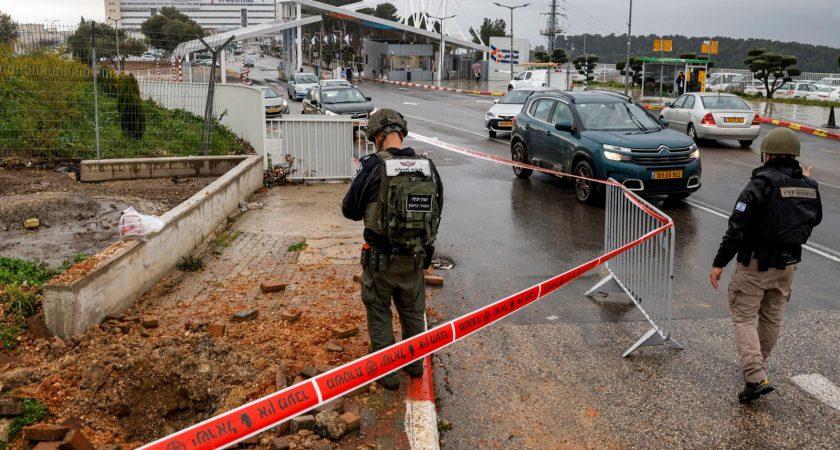
The sources also described how the Gaza-linked escalation brought the conflict close to medical facilities in northern Israel, with i24NEWS reporting a missile that narrowly missed Ziv Medical Center in Safed. i24NEWS said a missile strike in Safed “brought the conflict perilously close to the Ziv Medical Center,” and it described that “one of the missiles failed to detonate upon impact, averting further devastation at the scene.” The i24NEWS account named the soldier killed as “Staff Sargent Amar Sara Banjo” and said the attack “left 10 others wounded,” with all wounded “swiftly evacuated and received urgent treatment at the Ziv Medical Center.”
It quoted Professor Salman Zarka, Director of the Ziv Medical Center, saying, “Since the beginning of the fighting in the north, we have treated about 170 combat wounded in Ziv and it is clear that Hezbollah has set a goal to attack the hospital as well, as it already happened in the Second Lebanon War,” and it added that Zarka said, “Our team functioned properly and treated the wounded despite the noise of the missile landing at the entrance.” i24NEWS also described the security guard’s actions, saying video footage captured the guard “directing visitors to safety and assisting a mother and toddler in reaching a protected area just moments before the missile struck.” The outlet further reported that the Ziv Medical Center plans to enhance its capabilities after being designated as a “supercenter” for trauma in the North, quoting Zarka: “We will soon upgrade our capabilities after the Ministry of Health declared us a 'supercenter' for trauma in the North, after the budget was approved.”
CBS News and Le Monde both referenced Safed’s Ziv hospital in the context of evacuations after rocket fire, with CBS saying an AFP photographer saw medics and troops evacuating a wounded person by military helicopter from Safed’s Ziv hospital. Le Monde similarly said an AFP photographer saw medics and troops evacuating a wounded person by military helicopter from Safed’s Ziv hospital, reinforcing the centrality of the hospital during the escalation. In the same broader conflict narrative, Al-Manar TV Lebanon described Israeli helicopters carrying soldiers into Safed Hospital after “several operations carried out by Hezbollah,” linking the hospital area to the fighting.
Threats, Conditions, and Escalation
The sources portray a cycle of threats and conditions that repeatedly ties Lebanon’s border fighting to Gaza and to the possibility of widening the confrontation. CBS News quoted Hezbollah chief Hassan Nasrallah saying fire from southern Lebanon would end “when the attack on Gaza stops and there is a cease-fire” between Hamas and Israel, and it added Nasrallah’s warning: “If they (Israel) broaden the confrontation, we will do the same.” CBS also reported that Israeli army chief Herzi Halevi said after meeting commanders near the Lebanese border that Israel’s “next campaign will be very much on the offensive, and we will use all the tools and all capabilities,” and it cited Halevi’s statement that “We are intensifying the strikes all the time, and Hezbollah are paying an increasingly heavy price.”
Le Monde included the same Halevi quote about “very much on the offensive” and “use all the tools and all capabilities,” and it also carried the UN secretary-general’s spokesperson Stéphane Dujarric warning “the recent escalation is dangerous indeed and should stop,” while noting peacekeepers had noticed “a concerning shift in the exchanges of fire between the Israeli armed forces and armed groups in Lebanon.” Le Quotidien.lu likewise reported Halevi’s line that “the next campaign will be a very strong offensive and we will use all our tools and capabilities,” and it quoted Nasrallah saying “when the aggression in Gaza stops and there is a ceasefire, the fire will also stop in the south” of Lebanon. Vanguard News added a separate Hezbollah official voice, quoting senior Hezbollah official Hashem Safieddine saying Wednesday that “this aggression… will not go unanswered,” and it also quoted Nasrallah’s televised address warning that “If they (Israel) broaden the confrontation, we will do the same.”
The Guardian’s report included a Hezbollah response through its executive council, saying the group’s head of its executive council said Israel’s attacks on Lebanon “cannot pass without a response.” Across these accounts, the escalation is framed as already displacing civilians and as building toward further campaigns, with CBS saying “Tens of thousands of people have been displaced on both sides of the border,” and with Le Quotidien.lu saying “The violence between the Israeli army and Hezbollah has displaced tens of thousands of people on both sides of the border.”
Diverging Frames and Numbers
While the sources converge on the fact of cross-border exchanges and Gaza-linked escalation, they diverge in how they frame the same events and in the casualty totals they cite.
CBS News described Israeli strikes as beginning “a series of strikes in Lebanon” and said Lebanese media reported “three villages were hit,” while it anchored the narrative to the Gaza war and to Hezbollah’s condition for stopping fire.
The Guardian, by contrast, foregrounded civilian deaths and described “Eleven civilians, including six children” killed in Israeli strikes on villages across southern Lebanon, quoting hospital director Hassan Wazni and citing Reuters for wounded people.
Le Monde and Le Quotidien.lu both emphasized the Israeli military statement about the death of Sergeant Omer Sarah Benjo, 20, but they differed in the specific locations they listed, with Le Monde naming Souaneh and Aadchit and Le Quotidien.lu listing “Jabal el Braij, Houneh, Dunin, Adchit and Sawaneh.”
On the question of the overall death toll in Lebanon, CBS cited an AFP tally of “at least 243 people” killed, while Le Monde cited “at least 248 people,” and Vanguard News cited an AFP tally of “at least 248 people on the Lebanese side,” including “33 civilians.”
The Guardian also referenced an AFP tally but stated “The cross-border violence has killed at least 252 people on the Lebanese side, most of them Hezbollah fighters but also including 37 civilians,” showing another different total.
The Israeli-side death toll also varied across outlets, with CBS saying “On the Israeli side, nine soldiers and six civilians have been killed,” while Le Monde said “On the Israeli side, 10 soldiers and six civilians have been killed,” and Le Quotidien.lu said “On the Israeli side, 15 people have been killed, nine soldiers and six civilians.”
Beyond numbers, the sources diverged in attribution and tone: i24NEWS framed the hospital incident as a near-miss with a missile that “failed to detonate upon impact,” while Al-Manar TV Lebanon described Israeli helicopters carrying soldiers into Safed Hospital after “several operations carried out by Hezbollah.”
Finally, the sources also differed in the way they presented international reaction, with Le Monde quoting UN spokesperson Stéphane Dujarric saying “the recent escalation is dangerous indeed and should stop,” while Le Monde also quoted a U.S. State Department spokesman Matthew Miller saying “We continue to believe that there is a diplomatic path forward.”