Gaza Genocide19 December, 20252 min read
Israel Leaves 29-Day-Old Baby to Die of Hypothermia in Gaza
This article is an automated aggregation of coverage from news outlets. Our editorials offer in-depth analysis curated by the NewsCord team.
29-day-old infant Saeed died of hypothermia in Gaza amid dropping temperatures UN reports tents and blankets ready but Israeli restrictions block border aid deliveries

7 outlets told this the same way.
Outlets did split on Thousands March in London Calling for Britain to Stop Arming Israel and Impose Sanctions →
Newborn hypothermia in Gaza
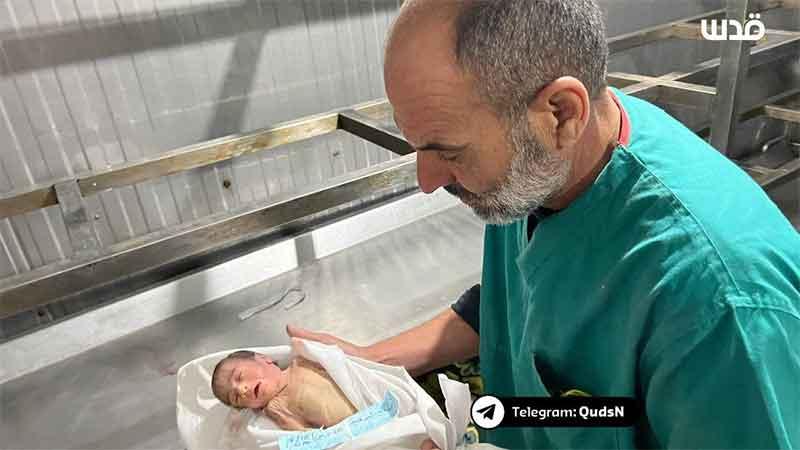
Severe winter storms in Gaza destroyed or flooded flimsy shelters, exposing many residents. A newborn in Gaza died of hypothermia after being exposed during these storms. Local hospital reports and news outlets identify the infant variously by age and name.
“A newborn in Gaza died of hypothermia after arriving at Nasser Hospital late Wednesday with a body temperature of 30°C (86°F); doctors were unable to revive him and he died early Thursday, Dr. Ahmed al-Farra, director of pediatrics, said.”
WKMG names him as Saeed Abdeen, who arrived at Nasser Hospital with a body temperature of 30°C (86°F) and could not be revived. Countercurrents reports a one-month-old Palestinian infant, Saeed Abdeen, died of extreme cold, while other outlets cite a two-week-old infant. The death has been tied directly to the storm conditions and damaged shelter across Gaza, leaving many newborns and premature infants exposed and vulnerable.

Storm damage in Gaza
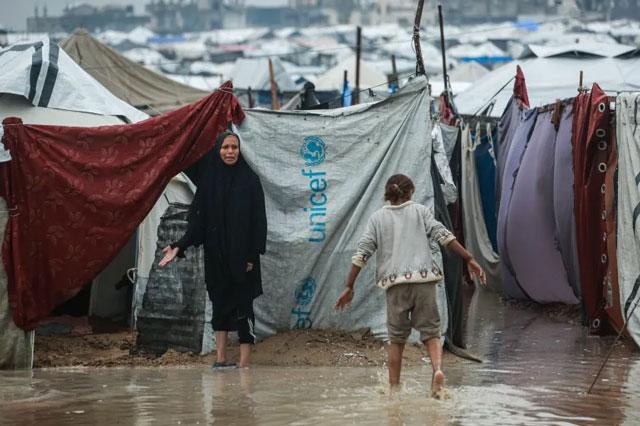
Heavy rain, strong winds and a major storm have battered Gaza's already-damaged shelters, flooding tents and collapsing roofs and leaving thousands exposed to cold and hypothermia. Civil Defence and local officials reported multiple deaths and structural collapses.
WKMG and BBC provided human-level detail of dead infants and people killed in building collapses. Countercurrents and Daijiworld stressed the scale of damage to tents and shelters and warned of a worsening humanitarian emergency.

Humanitarian Aid Entry Issues
Multiple sources report that humanitarian supplies are insufficient and that entry of winterization materials has been constrained. Several outlets directly report accusations that Israeli restrictions or bottlenecks at crossings have prevented adequate deliveries. Countercurrents cites UN OCHA and UNRWA saying supplies are limited and accusing Israeli authorities of restricting shelter materials.
“Aid groups say insufficient shelter materials have entered Gaza despite a ceasefire; Israeli and U.S.-led aid-coordination figures dispute whether agreed daily delivery targets have been met.”
Daijiworld reports the UN says supplies are ready but cannot enter because of restrictions at border crossings. BBC notes UNICEF has delivered some winter aid but emphasizes that needs remain immense. WKMG reports aid groups say insufficient shelter materials have entered Gaza despite the ceasefire.
Diplomatic and legal developments
The incident and the wider winter emergency are unfolding alongside diplomatic and legal developments.
BBC reports that talks on a second phase of a ceasefire are advancing, including Gaza reconstruction and Israeli troop withdrawal.
BBC also notes Israel’s prime minister saying the second phase is close.
Daijiworld records diplomatic activity, including Qatar’s prime minister meeting US officials to press for unconditional humanitarian access and to propose a stabilisation force, and provides wider casualty totals.
Countercurrents references a Dec. 16 ICC appeals court decision rejecting one of Israel’s challenges to an inquiry into alleged war crimes and genocide, which some sources report amid accusations against Israel.
Media framing differences
Reporting differs sharply in tone and framing. Countercurrents and Daijiworld convey acute humanitarian condemnation, with Countercurrents reporting UN agencies accusing Israel of restricting aid and noting ICC scrutiny over alleged war crimes and genocide. Daijiworld calls the situation a 'true humanitarian catastrophe'.
“Gaza’s health ministry reports more than 70,600 people killed in Israeli strikes since then.”
Western mainstream BBC reports deaths and shelter damage but situates them amid ceasefire talks and reconstruction planning. Local reporting (WKMG) focuses on the human detail of an infant's clinical condition and the family's tragedy. Readers should note these are reporting and framing differences, as outlets quote UN agencies, hospital doctors, and officials rather than asserting identical factual narratives.