Gaza Genocide01 February, 20262 min read
Israel Opens Rafah Crossing on Limited Trial After 18-Month Siege of Gaza
This article is an automated aggregation of coverage from news outlets. Our editorials offer in-depth analysis curated by the NewsCord team.
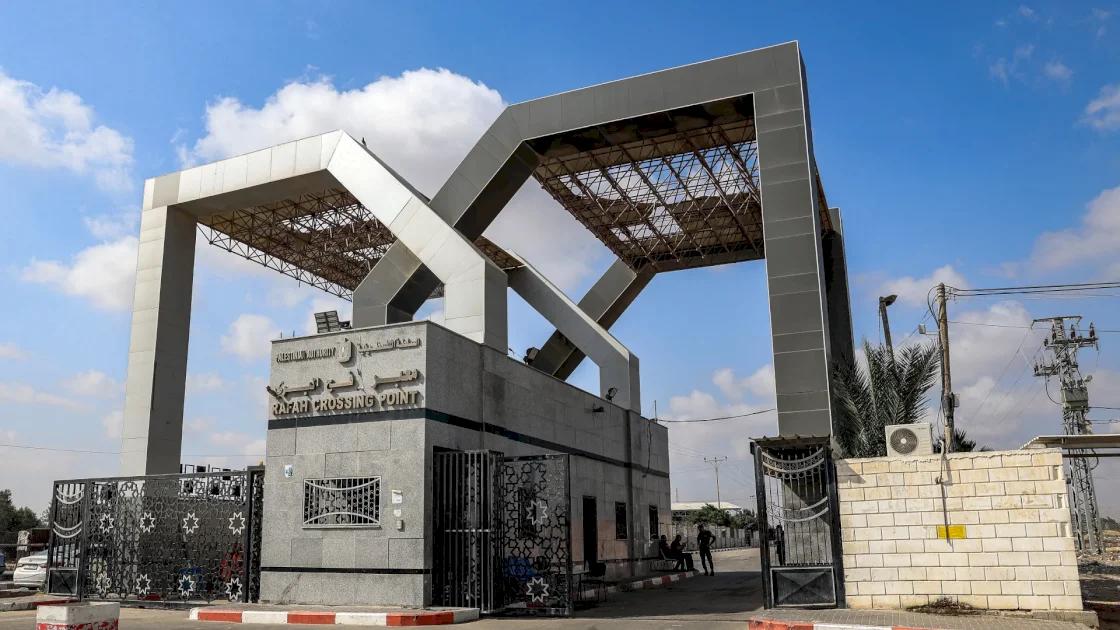
Rafah crossing reopens in a limited trial after about an 18‑month near-complete closure Movement limited to pedestrians both directions, under strict two‑stage Israeli security screening and prior approval
5 outlets told this the same way.
Outlets did split on Thousands March in London Calling for Britain to Stop Arming Israel and Impose Sanctions →
Trial reopening of Rafah
After an 18-month near-total closure of Gaza's main non-Israeli land outlet, Israeli authorities announced a limited trial reopening of the Rafah crossing under a US-brokered two-phase ceasefire plan. Israeli COGAT said the partial reopening follows the recovery of the last hostage's remains and will allow very restricted pedestrian and medical movement under tight Israeli control and screening. The move is being promoted as part of broader ceasefire negotiations that include demilitarization and installing a new governing body amid massive wartime destruction and a collapsed Gaza health system.
“Israel’s Coordinator of Government Activities in the Territories (COGAT) said Rafah will partially reopen under a US-brokered, two-phase ceasefire plan promoted by President Trump.”
Trial crossing procedures and limits
Operationally, the trial opening will be extremely limited. Israeli and Egyptian authorities will vet travelers, EU border patrols will supervise pedestrian movement, and screenings will take place in an adjacent corridor under Israeli military control. Initial passage numbers differ across reports: some officials said only dozens could cross each way with specific quotas for medical evacuees and returnees, while other agency reports put daily movement at roughly 150 exiting and 50 entering once the trial begins.
Humanitarian crisis in Gaza
The reopening comes amid a catastrophic humanitarian situation in Gaza. Israeli forces seized the Palestinian side of Rafah in May 2024 and have largely kept it closed, blocking aid deliveries and leaving drivers and aid workers stranded at the crossing. UN estimates cited by Al-Jazeera put the two-year death toll at roughly 71,000 and about 171,000 wounded.
About 90% of Gaza's infrastructure is devastated and the rebuilding bill is estimated at $70 billion. Other sources note tens of thousands need medical treatment outside the territory and many are registered to return from Egypt.
Rafah security situation
Security dynamics remain fraught. Israel conditioned the delayed October reopening on recovering the last Israeli captive's remains and then agreed to a restricted opening. Israeli forces continue to carry out strikes near Rafah.
Al-Jazeera reported that the Israeli army struck men exiting a tunnel east of Rafah, killing three. Hamas said it sought to negotiate safe exits for fighters trapped in tunnels but received no Israeli response. Mediators are involved, but key issues, including fighters inside tunnels and safe passage, remain unresolved.
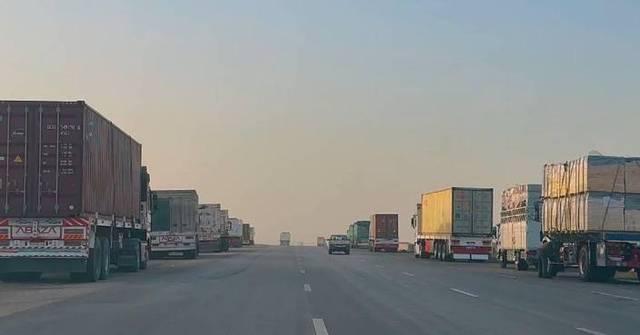
Gaza crossing reopening summary
Politically, the trial opening is a contested, tentative step that leaves many Gazans still cut off and reliant on constrained aid. The plan places vetting and security control squarely with Israel and Egypt, with EU oversight of pedestrian movement. It involves promises to enable technocrats and possibly new governance structures, but Palestinian and Egyptian authorities have not publicly endorsed the operational details.
“The reopening is an early, contested step in broader ceasefire negotiations that include Gaza demilitarization and installing a new governing body amid massive wartime destruction and a collapsed health system.”
The reopening therefore functions as a limited, securitized corridor rather than a restoration of normal exchange. It will not immediately resolve blocked aid flows or the massive medical needs documented by the UN and other agencies.
