Middle East31 January, 20263 min read
Israel Partially Reopens Rafah Crossing After Deadly Assault on Gaza
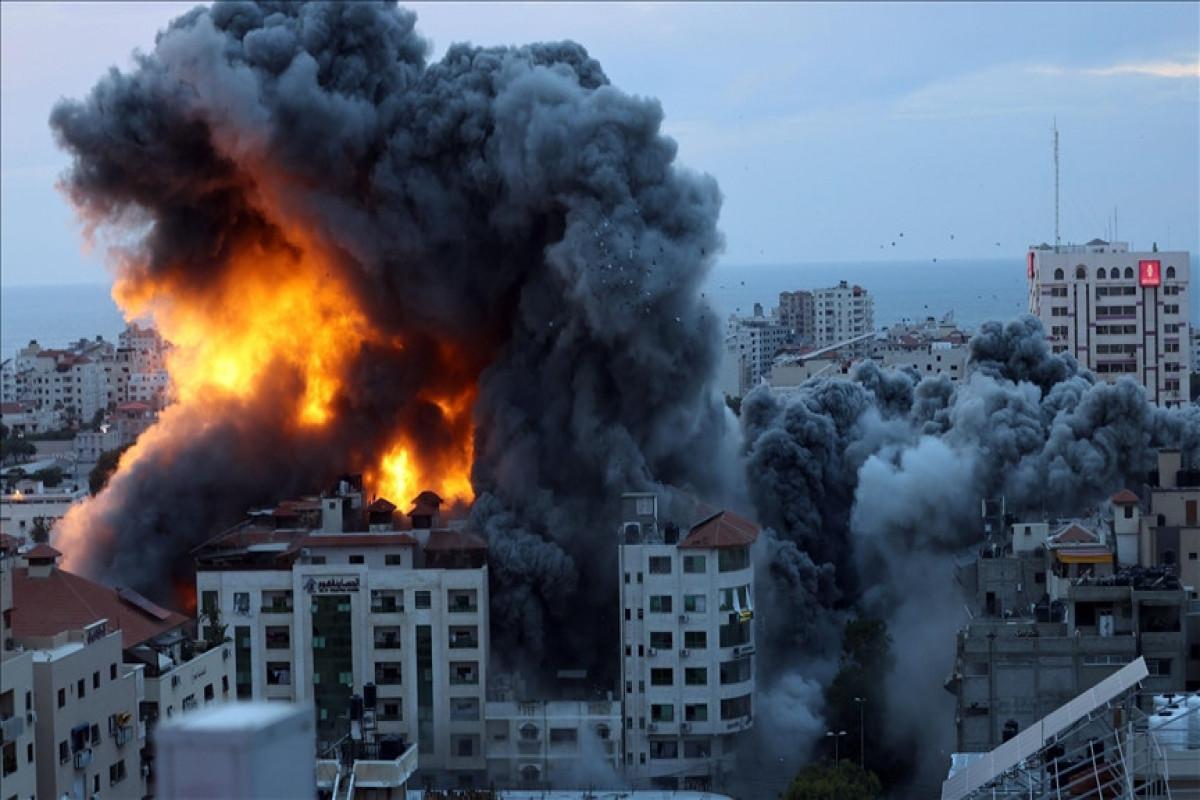
Israeli airstrikes killed 30–32 Palestinians across Gaza, including children and police officers. Strikes occurred one day before the Rafah border crossing was scheduled to partially reopen.

32 outlets told this the same way.
Fox News was read line by line by the Watchdog: 5.3. See the score →
Gaza strikes before Rafah reopening
Israeli forces carried out strikes across the Gaza Strip that killed at least 30–32 Palestinians a day before Israel partially reopened the Rafah crossing with Egypt, which had been closed for months under the terms of a U.S.-brokered ceasefire. Multiple outlets reported the death toll and the timing. Al Jazeera reported that relentless bombardment across Gaza killed at least 31 Palestinians.
“Relentless Israeli bombardment across Gaza killed at least 31 Palestinians, including six children and several police officers, a day before the Rafah border crossing with Egypt was due to reopen.”
PBS summarized that Israeli strikes in Gaza killed at least 30 Palestinians. CBS noted the strikes occurred the day before the Rafah crossing with Egypt was due to partially reopen. Other sources gave slightly different totals, with Latest News from Azerbaijan reporting at least 32 people were killed and the Observer calling it one of the deadliest days since a ceasefire went into effect.

Reported strikes in Gaza
Reports describe strikes on multiple civilian and security-related sites, including an apartment building in Gaza City, a tent camp for displaced people in Khan Younis, and a Gaza City police station where dozens were killed. Al Jazeera reported an air strike on a tent for displaced people in al-Mawasi that killed at least seven. The Guardian said strikes killed multiple members of several families, including at least six children.
PBS listed the apartment building, police station, and tent camp among the struck sites. Israeli military statements carried in Straight Arrow News (SAN) and Fox News said the operations targeted Hamas and Islamic Jihad commanders and militants. Those statements said the strikes were carried out in response to a violation of last year's ceasefire.
Reopening of Rafah crossing
Israeli authorities moved ahead with a limited reopening of the Rafah crossing despite ongoing violence. UPI reported Israeli officials told NBC the crossing would open Sunday morning for a limited number of people and that everyone entering or leaving Gaza must have Israeli security clearance coordinated with Egypt. Al Jazeera similarly reported Israel plans to reopen Rafah on Sunday but will allow only limited movement for people with Israeli security clearance.
“Israeli officials told NBC News the crossing will open Sunday morning for a ‘limited’ number of people, and everyone entering or leaving Gaza must have Israeli security clearance coordinated with Egypt.”
Diari ARA noted the reopening would be only for people leaving Gaza and that no goods would be allowed. COGAT described the arrangement as limited movement of people only.
Reactions to ceasefire strikes
Mediators and aid agencies warned the strikes endangered the ceasefire's fragile second phase. UNRWA and regional mediators publicly condemned the attacks. Al Jazeera reported that UNRWA chief Philippe Lazzarini and mediators Egypt and Qatar said the strikes effectively voided the truce.
SAN quoted Lazzarini calling the ceasefire "in name only." PBS and The Guardian also reported that Egypt and Qatar condemned the strikes as threatening the truce and the Rafah reopening. Middle East Eye and other outlets highlighted the broader civilian toll since the truce, with the Palestinian Health Ministry reporting more than 500 killed since the U.S.-brokered ceasefire took effect.
Casualty count discrepancies
Context and casualty accounting remain contested and sometimes inconsistent across reports.
“Gaza’s Health Ministry says 509 Palestinians have been killed by Israeli fire since the Oct. 10 ceasefire.”
Various outlets quoted Gaza’s Hamas-run health ministry with figures since the ceasefire ranging from about 509 to over 524 killed by Israeli fire, while Israeli figures and international tallies differ.
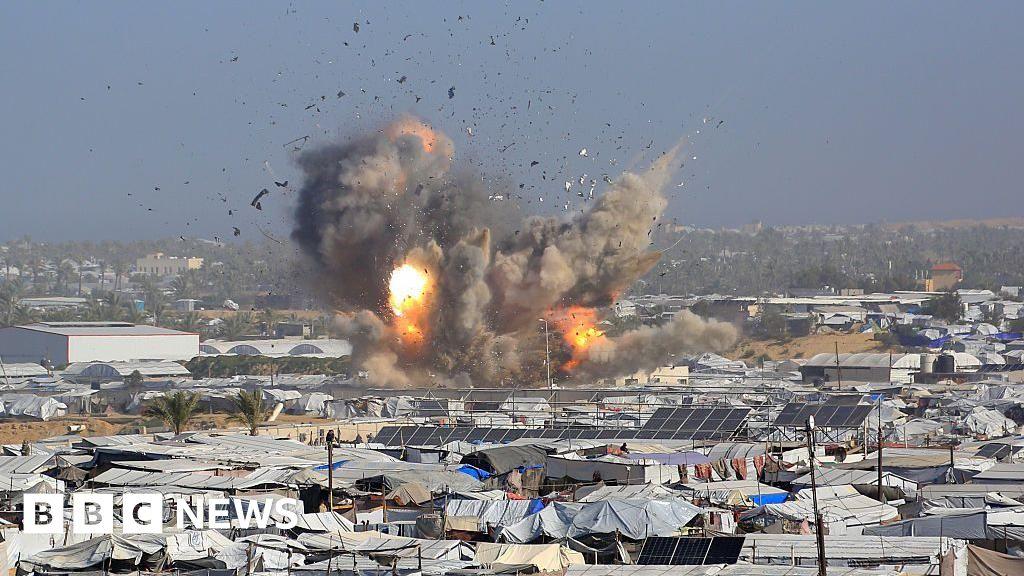
The Australian Broadcasting Corporation noted that Gaza’s health ministry said 509 Palestinians have been killed by Israeli fire since the Oct. 10 ceasefire.
Al Jazeera cited Gaza’s office saying at least 524 Palestinians have been killed by Israeli forces since the U.S.-brokered ceasefire began.
CBS referenced at least 520 Palestinians recorded by Gaza’s health ministry.
Several outlets flagged this variation and cautioned about differing methodologies and political contexts underlying the numbers.