Full Analysis Summary
Rafah crossing reopening plan
Israel announced a plan to partially reopen the Rafah crossing from Gaza into Egypt after nearly two years since the war began on Oct. 7, 2023.
Darnews reports the reopening will be limited, allowing about 50 Palestinians per day and imposing strict security checks, with no set date given.
The move was prompted after Israel recovered the last hostage's remains and coincides with a four-month ceasefire.
Many Palestinians expect the reopening to be slow and tightly controlled.
Only two source snippets were provided and Al Jazeera's article text was not included, so this summary relies primarily on Darnews' reporting and the absence of Al Jazeera content for broader perspective.
Coverage Differences
Missing information / Unique coverage
darnews (Other) provides detailed operational specifics about the reopening — saying it will be a “limited opening,” allowing about 50 Palestinians per day with strict security checks and no set date — while Al Jazeera (West Asian) article text was not provided, so it does not offer corroborating details or an alternative perspective in the material supplied here. This means we cannot compare tone or additional facts across a broader set of outlets because only darnews gives substantive reporting in the provided set.
Human cost and medical evacuations
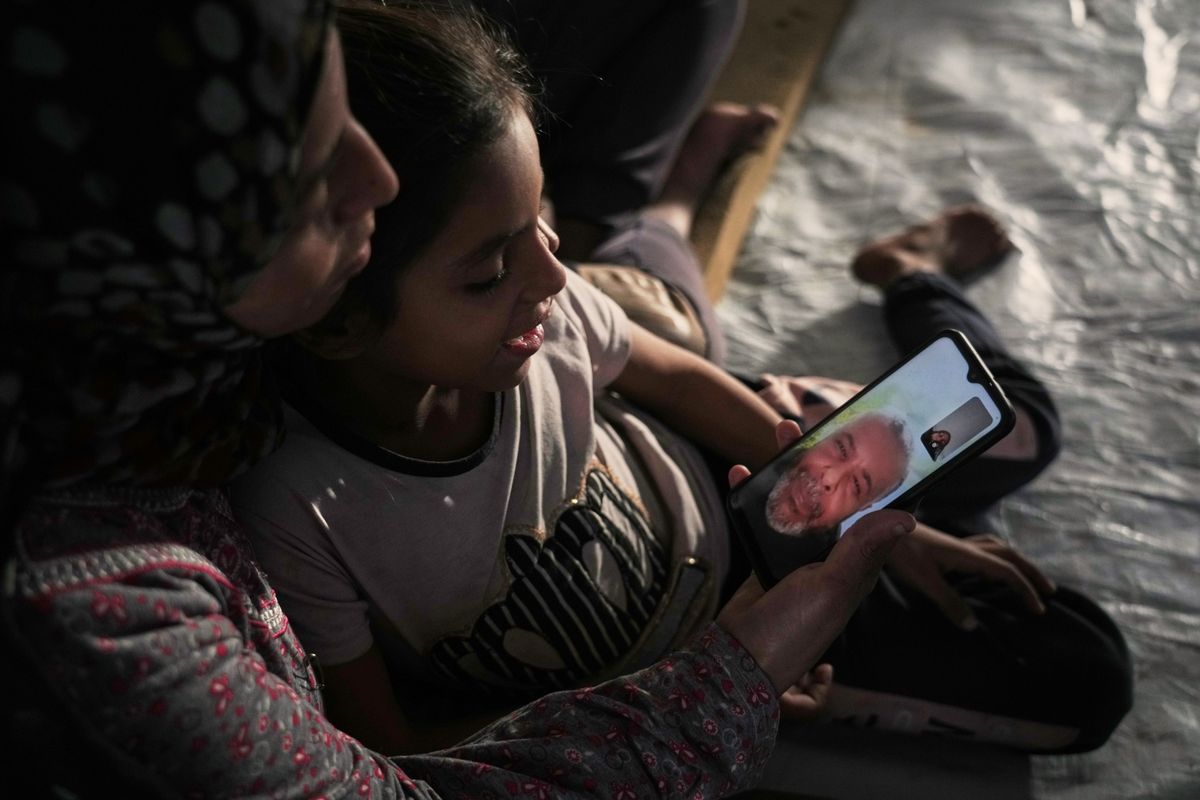
Darnews highlights the immediate human cost that awaited returning Palestinians.
It tells of people like Raed Belal, stranded in Egypt after leaving Gaza for back treatment before Oct. 7, 2023, who are preparing to return to families that endured sustained bombardment, repeated displacement (12 moves), hunger, and the destruction of their homes and businesses.
Darnews reports Belal's son was wounded and a brother and nephew were killed.
The article also reports hopes that the crossing will increase medical evacuations, with around 20,000 patients waiting in Gaza.
It notes evacuations during the ceasefire averaged only about 25 per week, indicating severe constraints on access to urgent care.
Coverage Differences
Tone and human-impact emphasis
darnews (Other) emphasizes personal human stories and the severe humanitarian backlog — naming a specific individual (Raed Belal), listing family casualties and 12 displacements — while Al Jazeera (West Asian) content was not present in the provided materials to confirm similar human-detail reporting; thus darnews supplies the human-impact detail and the quantitative medical-evacuation figures in this set.
Crossing reopening dispute
Darnews reports the reopening falls short of demands from Palestinian authorities and Hamas.
Hamas insists on unrestricted two-way access.
Palestinian authorities say the crossing will facilitate movement but acknowledge many expect a slow, tightly controlled return.
The reporting frames Israel’s role in determining the pace and scope of movement by noting a limited daily quota and strict security checks.
Darnews places responsibility on Israel for decisions about who can cross and under what conditions.
Coverage Differences
Narrative / attribution of control
darnews (Other) explicitly frames Israel as controlling the crossing’s pace and conditions — reporting Israel’s statement that the opening will be limited to about 50 people per day with strict security checks — while Al Jazeera (West Asian) text was not provided here to indicate whether it would frame control and responsibility similarly or emphasize different actors such as Egyptian, Hamas, or Palestinian Authority roles.
Source limitations and reporting
Limits of the provided sources prevent a full multi-perspective account.
The only substantive content supplied here is from darnews, which reports civilian suffering, family deaths, displacement, and constrained medical evacuations and attributes the slow, restrictive reopening to Israel’s stated conditions.
Al Jazeera’s article text was not available in the material given, so I cannot present Al Jazeera’s framing, nor can I include Western mainstream or alternative perspectives that would normally be used to contrast tone, language (for example whether outlets use the term genocide), or differing attributions of responsibility.
Because only darnews is substantive in the provided set, any broader claims, including labeling the situation as genocide, cannot be asserted on the basis of these supplied sources alone unless those sources explicitly use that term.
Coverage Differences
Missed information / inability to compare
darnews (Other) supplies detailed reporting on the reopening and humanitarian consequences; Al Jazeera (West Asian) text is missing in the provided files, preventing direct comparison. Therefore we cannot identify contrasts such as whether Al Jazeera or other outlets would use stronger terms like "genocide," or whether Western mainstream outlets would adopt more euphemistic language; that absence is itself a key limitation and difference in the corpus provided.