Israel Pounds Hezbollah in Beirut, Forcing Thousands From Dahiya Into Streets
Key Takeaways
- Israel launched heavy overnight strikes on Hezbollah in Beirut's southern Dahiya district
- Thousands fled into the streets, many forced to sleep outdoors with nowhere to go
- Israel's abrupt evacuation order disrupted bustling markets and apartment neighborhoods
Mass evacuation of Dahiya
Israel ordered the evacuation of Beirut’s southern Dahiya district on Thursday, triggering a mass exodus as residents fled east and north with hastily gathered belongings and mattresses strapped to car roofs; the order transformed a bustling district of markets and apartment towers into streets full of people unsure where to go, and businesses shuttered as families streamed into dense traffic.
“War in theMiddle East Advertisement Supported by Thousands fled the southern outskirts of the Lebanese capital before Israel unleashed heavy strikes on the militant group overnight”
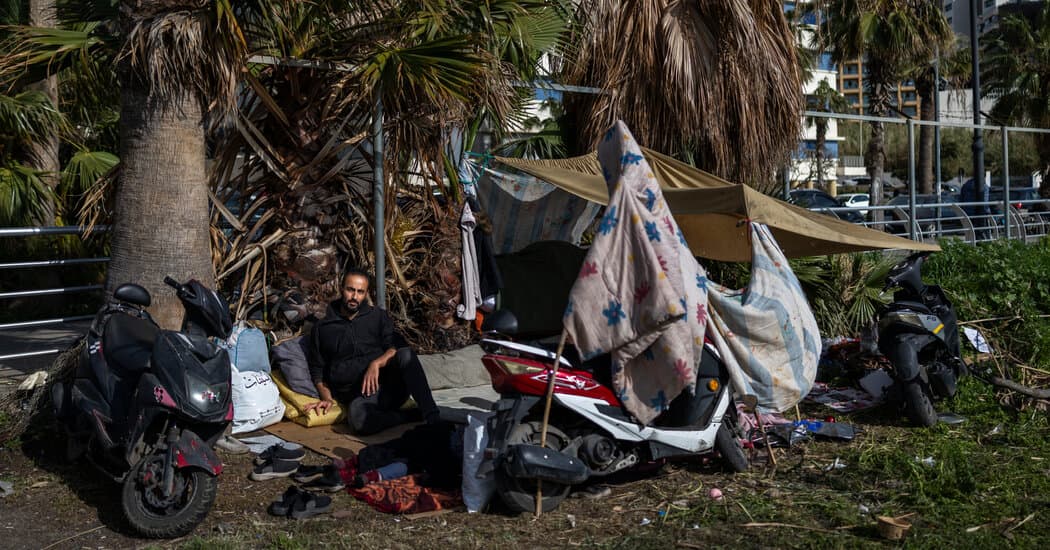
Many residents described the displacement as sudden and chaotic, with people carrying plastic bags bulging with clothes, documents and mementos while some took refuge on the waterfront promenade with extended family.
The New York Times reported that the evacuation rippled through Dahiya “like a shock wave,” forcing thousands into the streets and leaving many uncertain about where they would end up that night.
Heavy bombardment follows order
Heavy Israeli bombardment struck Dahiya overnight after the evacuation order, producing blasts that shook walls across Beirut and continuing into Friday; residents reported that their homes and neighbourhoods were hit, and some later learned their residences had been destroyed by airstrikes.
The New York Times described a night of heavy bombardment that jolted residents and caused extensive damage, with at least one resident, Mohamed Hjoula, reporting his home in Dahiya had been destroyed.
Witness accounts in the article emphasise how civilians felt they were paying the price of the conflict as strikes hit densely populated urban areas.
Civilian suffering and displacement
The human toll and dislocation were captured through individual testimonies and scenes of families seeking refuge; Mr. Hjoula, 35, described taking refuge on Beirut’s waterfront promenade with about 40 family members, including his ailing parents, while others strapped mattresses to car roofs and fled with only what they could carry.
“War in theMiddle East Advertisement Supported by Thousands fled the southern outskirts of the Lebanese capital before Israel unleashed heavy strikes on the militant group overnight”
The account stresses the immediate humanitarian strain: people unsure where they would spend the night, businesses closed, and whole families uprooted from their homes.
The New York Times reporting foregrounded civilian suffering and the chaotic logistics of sudden mass displacement in an urban environment.
Dahiya's military context
The reporting identifies Dahiya as a Hezbollah stronghold and frames the evacuation and strikes within that context, noting that the order targeted a district associated with the militant group; the article links the evacuation to concerns about Israeli operations against Hezbollah, while consistently presenting civilian experiences of loss and displacement.
The New York Times’ portrayal combines the military rationale with visible humanitarian consequences, showing how the targeting of urban areas tied to armed groups can produce large-scale civilian flight and property destruction.
More on Lebanon

Hezbollah Fires 200 Rockets at Israel From Lebanon
17 sources compared
Israel Pounds Tehran With Airstrikes
12 sources compared

Israel Bombs Central Beirut, Targeting Hezbollah Infrastructure
14 sources compared

Unidentified Attacker Plants Explosive at U.S. Embassy Entrance in Oslo; Oslo Police Investigate Possible Terrorism
12 sources compared