Full Analysis Summary
Al-Aqsa Ramadan raid
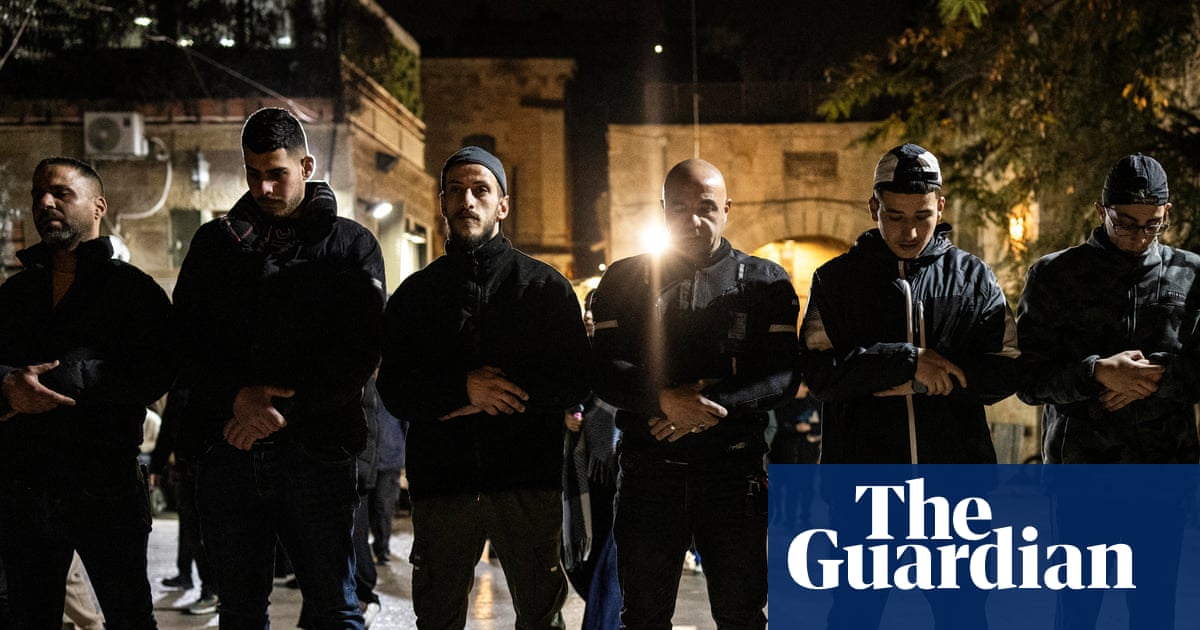
Israeli police carried out a raid on the Al-Aqsa compound during evening prayers on the first night of Ramadan.
The operation resulted in the arrest of imam Sheikh Mohammed al-Abbasi and other mosque caretakers and in bans preventing hundreds of worshippers from entering.
Tempo reports that al-Abbasi was arrested inside the compound on the night of Feb. 18, 2026 and that authorities had earlier issued a one-week ban on his entry without publicly giving a reason.
Tempo says al-Abbasi was not told why he was banned and called the move distressing after recently returning to duty following a serious car accident.
The Guardian describes the raid as part of a pattern of arrests and access restrictions carried out under the authority of Israeli police and the Shin Bet.
Al-Jazeera reports that occupation authorities tightened control over the Islamic Waqf Department, expelling 25 employees and arresting four.
Al-Jazeera also reports that settler groups announced they will continue raids during Ramadan.
Coverage Differences
Narrative Framing
The Guardian (Western Mainstream) frames the action as a systemic rupture of a six-decade 'status quo' and emphasizes the role of Israeli police and Shin Bet in a broader, government-backed pattern. Tempo.co English (Western Alternative) focuses on the personal case of Sheikh Mohammed al-Abbasi — his arrest, a prior entry ban and his statement that he was not told why. Al-Jazeera Net (West Asian) emphasizes institutional control of the Waqf and expulsions of staff and notes settler groups’ declared intent to continue raids, highlighting administrative and settler activity rather than a single arrest.
Al-Aqsa access restrictions
Authorities imposed sweeping new limits on worshippers entering Al-Aqsa and Jerusalem.
Al-Jazeera reports a new cap of 10,000 West Bank Palestinians permitted entry for worship, with entry restricted to men over 55 and women over 50 and only with prior approval.
The Guardian says the bans extended to hundreds of worshippers on Ramadan's first night and links these access curbs and raids to the erosion of the post-1967 arrangement that allowed only Muslim prayer at the compound.
Tempo adds that Israel plans to limit access during Ramadan and that settler incursions are rising under police protection, signalling escalating efforts to restrict Palestinian worship at the site.
Coverage Differences
Detail Emphasis
Al-Jazeera Net (West Asian) gives concrete administrative limits (10,000-person cap; age restrictions) and prior-approval conditions for West Bank Palestinians, presenting specific, operational measures. The Guardian (Western Mainstream) emphasizes the political and historical significance, calling it a collapse of the six-decade 'status quo.' Tempo.co English (Western Alternative) stresses the on-the-ground experience of restrictions and settler incursions under police protection and Israel’s announced Ramadan access limits.
Settler activity and state actions
The Guardian says far-right leadership in Jerusalem police and the Shin Bet is driving the rupture and links perceived changes at Al-Aqsa to past escalations, warning they could ignite wider unrest.
It quotes lawyer Daniel Seidemann: 'Al-Aqsa is a detonator.'
Al-Jazeera identifies settler groups, including the extremist 'Jabal al-Hikhal School', as openly committing to raids and expanding their morning incursions.
Tempo documents rising settler incursions under police protection.
Tempo also notes Israel's legal move in the West Bank approving a plan to register large areas as 'state property', which the EU has urged to be halted.
Coverage Differences
Attribution
The Guardian (Western Mainstream) explicitly attributes the collapse of the status quo to far-right leadership and security services; Al-Jazeera Net (West Asian) attributes ongoing raids to explicit settler group planning and names an extremist group; Tempo.co English (Western Alternative) highlights both settler incursions under police protection and parallel legal measures in the West Bank that expand state control, focusing on policy moves rather than only security actors.
Reactions and legal probes
Regional reactions and legal scrutiny followed.
Hamas condemned the arrest, accused Israel of trying to 'Judaize' the mosque and urged urgent action by Palestinians and Muslim regional bodies, according to Tempo.
The Guardian connects the pattern of perceived changes to triggers for wider violence, pointing to the 2000 intifada and citing Hamas’s framing of its October 2023 attack as the 'al-Aqsa Flood'.
Tempo also reports that Indonesia’s Attorney General is reviewing findings from an investigation into alleged genocide and other human-rights crimes by Israel against Palestinians.
Al-Jazeera documents expulsions and arrests in the Waqf and strict new access rules that will further limit Palestinian worship.
Coverage Differences
Focus of Reaction
Tempo.co English (Western Alternative) highlights explicit condemnations and legal investigations — it reports Hamas’s accusation that Israel seeks to 'Judaize' Al-Aqsa and that Indonesia is probing alleged genocide. The Guardian (Western Mainstream) stresses historical precedents and the risk of wider unrest, citing the 2000 intifada and Hamas’s language 'al-Aqsa Flood.' Al-Jazeera Net (West Asian) focuses on institutional impacts inside the compound — Waqf expulsions and administrative restrictions — and on how those measures affect worshippers.
Media coverage comparison
The three sources differ in tone and emphasis.
The Guardian warns of a political rupture involving state security services and far-right elements that risks wider unrest.
Al-Jazeera concentrates on concrete administrative controls, expulsions of Waqf staff, and explicit settler plans to continue raids.
Tempo centers on the personal detention of Sheikh Mohammed al-Abbasi, practical restrictions on worship during Ramadan, and international legal scrutiny including an Indonesian probe into alleged genocide.
These differences reflect source-type influences: Western mainstream analysis highlights systemic political consequences, West Asian coverage lists operational and social impacts, and Western alternative outlets foreground individual cases and allegations that prompt legal responses.
All three report arrests, access restrictions, and increased settler activity.
Coverage Differences
Tone
The Guardian (Western Mainstream) uses alarmist systemic language ('collapse of a six-decade "status quo"') emphasizing political implications; Al-Jazeera Net (West Asian) uses administrative and operational detail about expulsions and entry caps; Tempo.co English (Western Alternative) foregrounds the arrested imam’s experience and highlights international legal responses such as an Indonesian probe into alleged genocide. Each source therefore shapes the narrative: systemic political rupture, operational restrictions, or individual/legal focus.