Gaza Genocide11 February, 20262 min read
Israel Readies New Gaza Offensive After U.S. Allows Hamas to Keep Small Arms
This article is an automated aggregation of coverage from news outlets. Our editorials offer in-depth analysis curated by the NewsCord team.
United States will allow Hamas to keep some light small arms while removing long-range weapons Israel prepares a new Gaza offensive constituting genocide

7 outlets told this the same way.
Outlets did split on Thousands March in London Calling for Britain to Stop Arming Israel and Impose Sanctions →
The Jerusalem Post was read line by line by the Watchdog: 5.9. See the score →
Gaza disarmament proposal
U.S. reporting indicates the Trump administration's draft Gaza plan would force Hamas to surrender heavy weapons while initially allowing the group to retain light personal arms. The plan contemplates international stabilization forces, and Indonesia is reported as a potential contributor. Israel is preparing for a renewed, potentially larger ground offensive if disarmament fails.
“President Trump publicly wants peace in Israel, Gaza and the region, but the article argues that the White House’s more realistic near-term plan is a pragmatic, staged approach to neutralize Hamas enough to prevent a renewed large Israeli ground invasion.”
The staged approach calls for surrender of rockets and RPGs first, with registration or delayed decommissioning of personal arms. Multiple sources say Jared Kushner and an American team will present the plan while Israeli officials continue to plan hard military options. The mixed strategy aims to claim a changed on-the-ground security reality even as key details, such as who takes custody of weapons and how collection is enforced, remain unresolved.
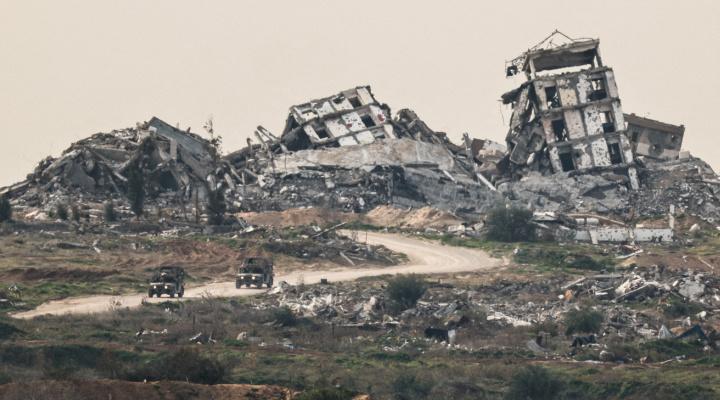
Disarmament plan disputes
The draft plan’s operational details are unclear and disputed. Kushner’s team reportedly wants heavy weapons laid down immediately while defining and delaying collection of "personal" arms.
Israeli military sources demand collection of even small arms—an estimated 60,000 Kalashnikovs—and doubt the U.S. will force full disarmament. The plan’s 100-day heavy-weapons target, plus unresolved custody and enforcement questions, imply a prolonged phased process that could leave Hamas with many small arms for months and create a security risk the Israeli military says could prompt a larger offensive.
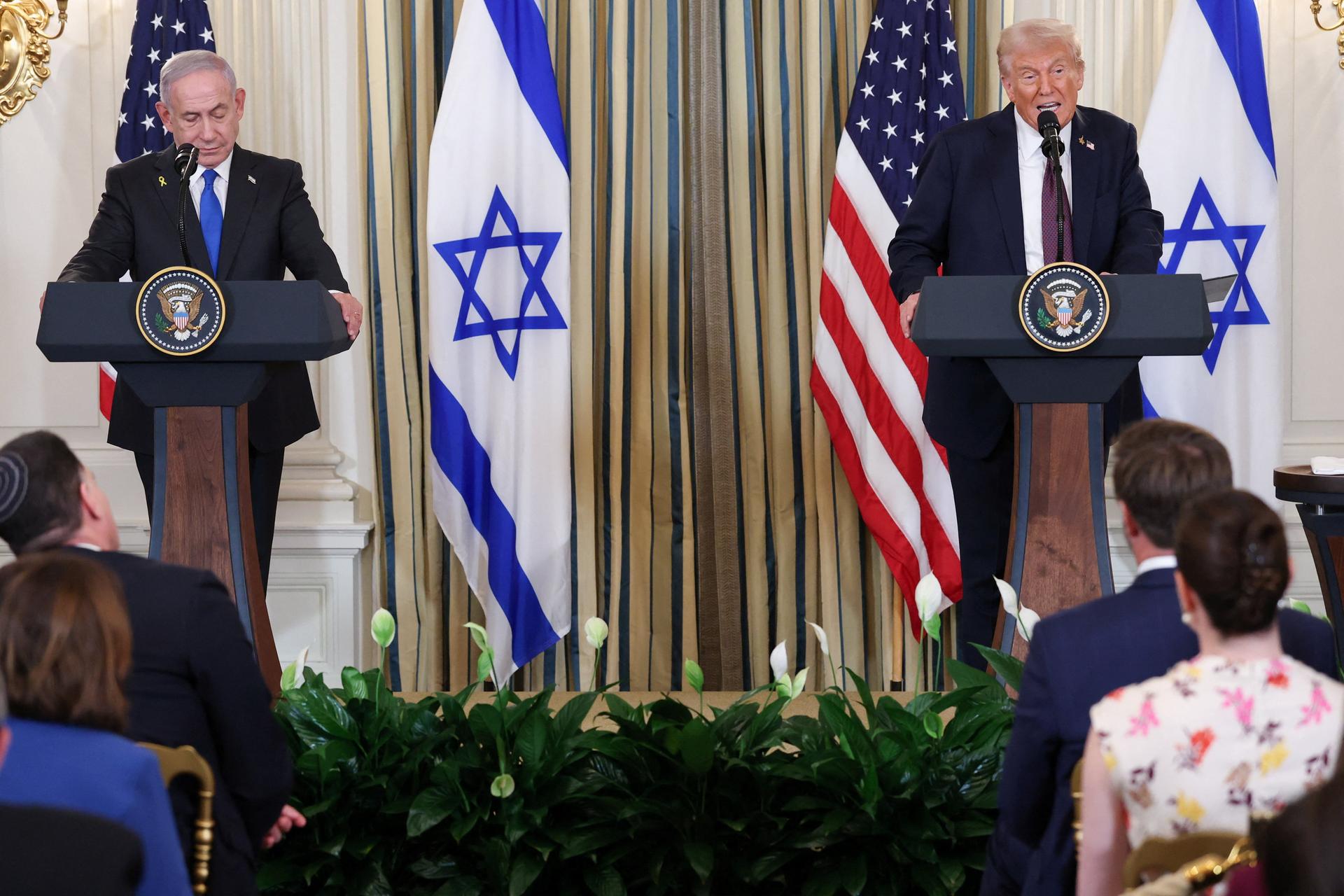
Hamas disarmament stance
Hamas publicly rejects full disarmament and signals limited cooperation. Il Sole 24 Ore quotes Hamas leader Osama Hamdan telling NRK the group would support a technocratic committee and hand control of 10,000 police officers to it.
“Hamas leader Osama Hamdan told Norwegian broadcaster NRK that the group would back the Committee of Palestinian Technocrats and hand over control of 10,000 police officers in Gaza, but firmly rejected disarmament, saying militias are needed to defend Palestinians under occupation.”
However, Hamdan said militias would be kept to defend Palestinians "under occupation" and disarmament is refused, and CFR and Algemeiner report Hamas' rejection of surrendering weapons. That public refusal, along with senior Hamas figures' repeated statements that they will not give up arms, creates an immediate gap between U.S. diplomatic proposals and Hamas' stated positions.
Israeli military actions and impact
Israeli leaders and the IDF are preparing forceful options if disarmament stalls. Algemeiner reports Israel is drawing up plans and quotes Defense Minister Israel Katz warning that Israel will dismantle Hamas by force if it does not disarm under the framework. The IDF says it killed Basel Himouni in Gaza as part of ongoing operations.
Jerusalem Post coverage underscores Israeli military demands for collecting small arms and doubts about U.S. enforcement. Middle East Monitor highlights reporting that Netanyahu may discuss mass migration from Gaza and shows Palestinian families in Shati camp amid rubble after recent Israeli attacks. These sources collectively show Israeli readiness to use force alongside reporting of Palestinian displacement and suffering.

Phased disarmament challenges
Practical and geopolitical obstacles raise serious questions about implementing any phased disarmament. Media estimates cite an ISF of up to 20,000 troops and Indonesia’s offer of up to 8,000. Multiple outlets stress that enforcement, custody of surrendered weapons, and Israel’s reluctance to withdraw before militants are disarmed will complicate the plan.
“Under former President Trump’s 20-point Gaza peace plan, phase two would deploy an international stabilization force (ISF), begin large-scale reconstruction, and set up a Palestinian technocratic committee to administer the territory. Media reports estimate the ISF could number around 20,000 troops; Indonesia has said it could contribute up to 8,000.”
CFR places the draft in a broader regional context, noting U.S.–Iran diplomacy and related strategic moves. The Jerusalem Post cautions that political timing could shape whether the U.S. uses peacekeepers to block an Israeli ground offensive.