Gaza Genocide28 January, 20263 min read
Israel Refuses Gaza Reconstruction Unless Palestinian Resistance Disarms
This article is an automated aggregation of coverage from news outlets. Our editorials offer in-depth analysis curated by the NewsCord team.
Israel will not begin Gaza reconstruction until Hamas is fully disarmed and tunnels destroyed Netanyahu rejects a Palestinian state in Gaza and insists Israel retain security control

7 outlets told this the same way.
Outlets did split on Thousands March in London Calling for Britain to Stop Arming Israel and Impose Sanctions →
Netanyahu's Gaza reconstruction conditions
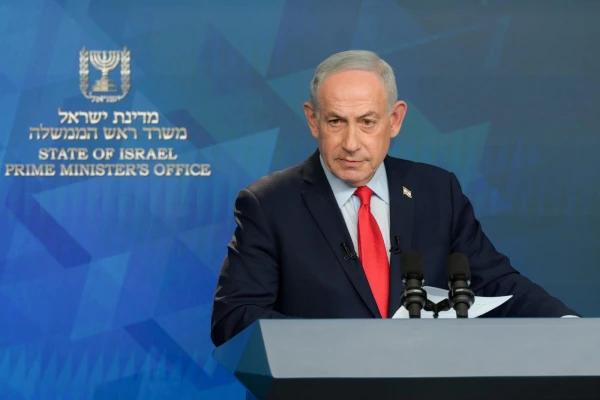
Israeli Prime Minister Benjamin Netanyahu has made reconstruction in Gaza conditional on the full disarmament and demilitarization of Hamas. He said Israel will not permit a Palestinian state in the Gaza Strip and insisted Israel retain security control from the Jordan River to the Mediterranean. Netanyahu's comments followed the recovery of the remains of the last hostage, Ran Gvili.
“Israeli Prime Minister Benjamin Netanyahu said on Jan. 27 that Israel will not allow a Palestinian state in the Gaza Strip and will not begin Gaza’s reconstruction until Hamas is fully demilitarized and disarmed.”
He explicitly tied the hostage issue to resisting implementation of the second phase of a U.S. plan for Gaza. He also said the Rafah crossing would reopen only for limited individual travel under Israeli inspection. These statements frame reconstruction as hostage-linked leverage and as contingent on Israeli security demands rather than an immediate humanitarian imperative.

Netanyahu's Gaza demands
Netanyahu demanded that Hamas surrender weapons and tunneling infrastructure "the easy way or the hard way" and rejected any role for Hamas in Gaza governance or in international stabilization forces proposed by others. He also rejected proposals to station Turkish or Qatari forces in Gaza and tied reconstruction to a complete handover of arms and tunnels.
Reuters, cited by themedialine.org, reported that Hamas sought 10,000 police as part of an international stabilization force. Israel has not accepted that proposal, placing its policy in direct opposition to any stabilization arrangement that includes security actors linked to Hamas.

Casualties and hostages in Gaza
Inbox.lv relays the Hamas-run Gaza Ministry of Health's figures of over 71,000 Palestinians killed and about 170,000 wounded.
“Israeli officials said they recovered the remains of Ran Gvili — the last of 251 people taken hostage into Gaza on Oct. 7, 2023 — after examining 250 bodies in a cemetery in northern Gaza.”
Multiple outlets report large-scale Israeli bombardment and a ground offensive in Gaza after the Oct. 7 Hamas attack that killed about 1,200 people in Israel and saw roughly 250 taken hostage.
Sources report that Israeli forces have examined hundreds of bodies in Gaza cemeteries and recovered the remains of the last hostage.
These reports underscore the scale of death on both sides and the centrality of hostages to Israel's political leverage over reconstruction and demilitarization demands.
Reactions and Rafah access
Sources portray international reactions and U.S. involvement differently. The Nation reports that Netanyahu used the hostage issue to push back on the U.S. plan's second phase. The Defense Post highlights U.S. naval deployments and quotes former President Trump saying the U.S. has a "big armada" near Iran while still hoping for diplomacy.
themedialine.org records a sharp public rebuke from Amos Hochstein, a Biden aide, accusing Netanyahu of falsehoods and ingratitude toward the U.S. Outlets note Israel agreed to a limited reopening of the Rafah crossing with Egypt but made reopening conditional and subject to Israeli inspection, tying humanitarian access to security conditions.
Reconstruction tied to security
Domestic Israeli politics and regional security threats shape how reconstruction demands play out. The Nation reports Netanyahu canceled a security briefing with opposition leader Yair Lapid. He faces a standoff with ultra-Orthodox parties over the budget and risks early elections if the budget is not passed.
“Hamas argued the return demonstrated commitment to a ceasefire but has refused to disarm.”
Netanyahu has warned of unprecedented military responses if Iran attacks Israel. The Defense Post likewise highlights Netanyahu's warning to Iran and the stated intent to retain security control over Gaza and the West Bank.

VOI.id notes Hamas's refusal to disarm despite claims that its return of bodies showed a commitment to a ceasefire. These domestic and regional pressures help explain why Netanyahu ties reconstruction conditions firmly to demilitarization demands.