Full Analysis Summary
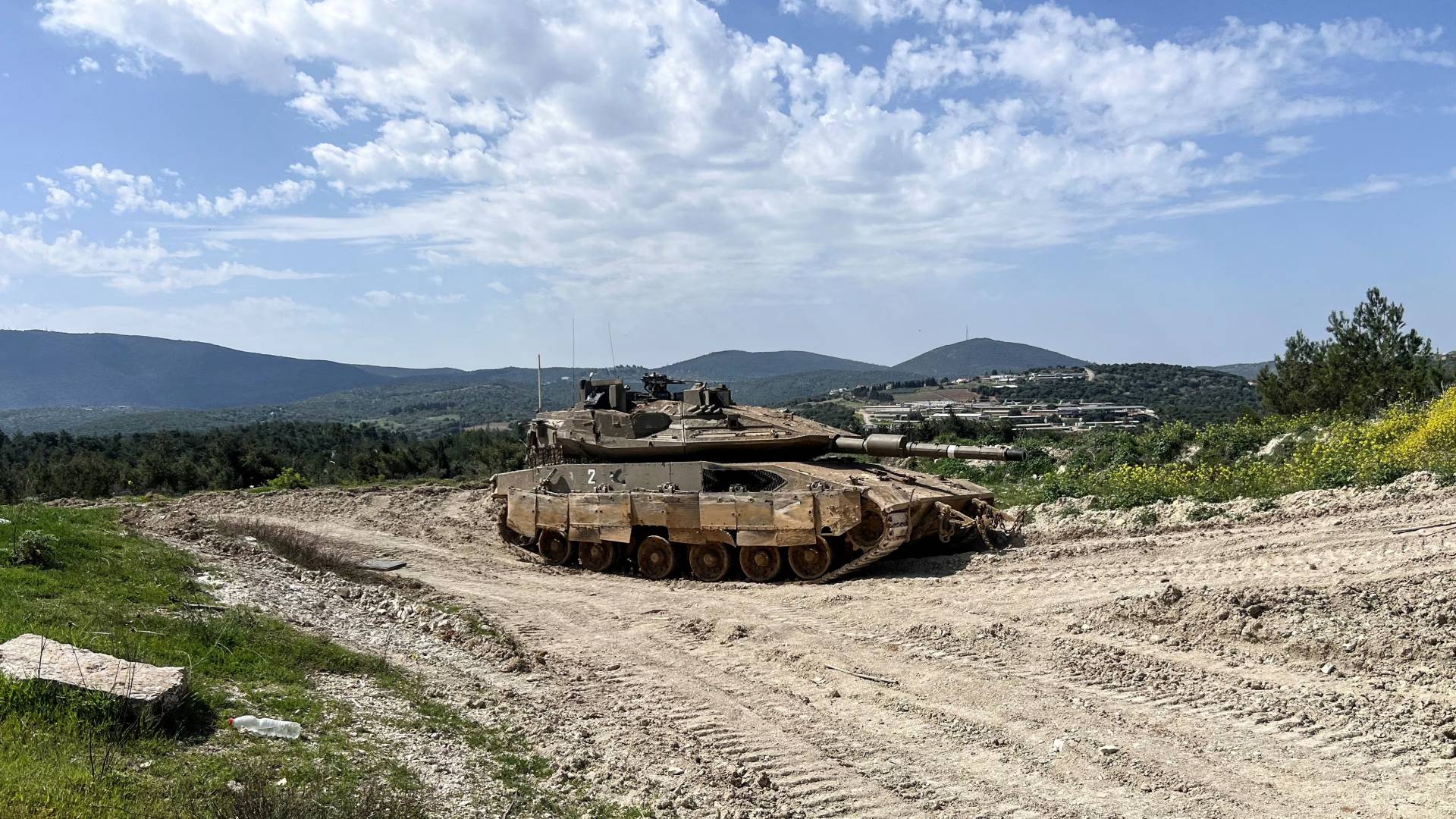
Israeli positions in Lebanon
Israel has reportedly said it will not dismantle five military positions it established in southern Lebanon during the October 2023–November 2024 Gaza war, according to Hebrew media reporting cited by Roya News.
The statement was reported ahead of a meeting of the U.S.- and French-backed Mechanism committee (Lebanon, Israel, UNIFIL) that monitors the ceasefire put in place at the end of 2024.
Israeli officials are said to justify the positions as necessary to monitor Hezbollah and prevent attacks on border towns.
Roya’s report quotes the Hebrew outlet Walla as the source of the Israeli official’s remark.
The report also notes that the article’s audio was AI-generated.
Coverage Differences
Source emphasis / attribution
Roya News (West Asian) reports that Hebrew media Walla quoted an unnamed Israeli official saying Israel will not dismantle five positions and frames the reporting in security terms tied to the Mechanism committee. This is a direct reporting of Walla’s claim. Other sources in the set focus on parallel regional diplomacy (Al-Jazeera) rather than on the Lebanon positions themselves, showing different topical emphasis: Roya focuses on the Israeli public/Israeli-media claim about Lebanon positions while Al-Jazeera concentrates on Israel–Syria talks in Paris. Walla is quoted as the origin of the claim about the positions.
Israeli actions and warnings
Roya’s account reports Israeli justifications for retaining those positions: monitoring Hezbollah, deterring or preventing attacks on border towns, and maintaining situational awareness along the frontier.
Walla, as cited by Roya, reported the Israeli military has killed more than 400 Hezbollah members since the ceasefire.
An unnamed official reportedly warned Israel could strike southern Beirut if necessary, accused Hezbollah of coordinating with the Lebanese army, and said Israel could change its posture toward Lebanon’s military should that cooperation deepen.
Coverage Differences
Tone and reported assertions
Roya (citing Walla) conveys assertive Israeli claims—specific casualty figures and explicit threats—presented as quotes from an unnamed official. By contrast, Al-Jazeera’s coverage (of Israel–Syria talks) frames Israeli actions in diplomatic/strategic terms (managing the northern front, protecting red lines) rather than public threats in the Lebanese sector; Axios (reported within Al-Jazeera) gives a procedural detail about the Paris talks (fifth round), which is a different focus. This shows Roya emphasizes immediate security postures and reported Israeli threats, while Al-Jazeera emphasizes negotiated arrangements and stability management.
Israel's regional security talks
Reporting places the Lebanon standoff alongside broader regional diplomacy and security talks.
Al-Jazeera reports Israeli and Syrian officials are resuming U.S.-mediated talks in Paris to negotiate a new security arrangement along their shared border, with Israeli participants described as protecting security interests and 'red lines'.
Al-Jazeera cites Axios saying the Paris meeting is the fifth round and the first in about two months.
A separate diplomatic track highlights Israel pursuing localized military positions in southern Lebanon, according to Walla and Roya.
At the same time Israel is seeking negotiated management of its frontier with Syria through international mediation.
Coverage Differences
Narrative scope / focus
Roya’s piece focuses on the Lebanon positions and on Israeli statements (Walla citation), presenting immediate security claims and potential threats. Al-Jazeera (and Axios as cited within it) widens the frame to Israeli–Syrian talks in Paris mediated by the U.S., highlighting negotiation and risk-reduction language rather than explicit threats. The difference shows Roya centered on reported Israeli military posture in Lebanon while Al-Jazeera centers on diplomatic efforts on the Syrian border.
Media framing differences
There are clear differences in tone and implied intent across the items.
Roya (West Asian) reproduces reported Israeli threats and casualty claims (via Walla) that emphasize deterrence and readiness to act in Lebanon.
Al-Jazeera (also West Asian) frames Israel’s diplomacy with Syria as professional, risk-managing, and stability-oriented rather than signaling a broader policy shift.
Axios (as cited) contributes a procedural fact (the Paris round count) rather than an assessment.
These contrasts underscore how different outlets foreground different kinds of information: direct Israeli-media quotes and purported threats versus diplomatic process and stability narratives.
Coverage Differences
Tone / narrative emphasis
Roya conveys assertive Israeli rhetoric—reporting threats, casualty figures and accusations—while Al-Jazeera emphasizes negotiation, risk management and stability claims about Israel–Syria talks; Axios (reported by Al-Jazeera) provides a neutral procedural detail. The variations reflect how source choice changes emphasis: Walla (reported by Roya) supplies quoted Israeli official claims and threats; Al-Jazeera focuses on diplomatic framing.
Coverage gaps: Lebanon and Syria
The available reporting is limited and leaves ambiguity.
Roya bases its Lebanon coverage on a Walla report that quotes an unnamed Israeli official and warns readers that the article’s audio was AI-generated.
Al Jazeera covers a separate but related front—Israel–Syria negotiations—and cites Axios for timing.
The provided articles focus on reported Israeli claims in Lebanon and on diplomatic talks with Syria, but do not include the full Lebanese government, Lebanese political reactions, or Hezbollah’s own statements.
They also lack independent verification of casualty figures and of alleged coordination with Lebanon’s army, an absence that should be noted as an information gap.
Coverage Differences
Missed information / gaps
Both pieces provide different slices of regional coverage but neither provides on-the-record confirmations from Lebanese authorities or Hezbollah, nor independent verification of the casualty count cited by Walla. Roya explicitly notes its audio was AI-generated (a transparency detail), while Al-Jazeera supplies diplomatic context and a procedural note from Axios about the Paris rounds. The result is reporting that is informative about what Israeli media and officials are reportedly saying and what diplomatic channels are active, but incomplete on independent confirmation and responses from other actors.