Gaza Genocide31 December, 20253 min read
Israel Revokes Licences of 37 International Aid Groups, Cutting Hundreds of Thousands of Palestinians in Gaza Off From Life-Saving Care
Israel revoked licences of 37 international NGOs, including MSF and Norwegian Refugee Council Israel demanded detailed staff, funding and operations lists; groups refused citing security and privacy
54 outlets told this the same way.
Outlets did split on Israel Marks Oct. 7 Anniversary With Strikes on Gaza, Netanyahu Faces Election After Nova Tribute →
Israel National News was read line by line by the Watchdog: 6.6. See the score →
Israel suspends Gaza NGOs
Israel announced it will revoke or suspend the licences of dozens of international humanitarian organisations operating in Gaza, naming roughly 37 groups.
“Israel has suspended the licences of roughly 25–30 humanitarian organisations working in Gaza, ordered them to close offices in Israel and East Jerusalem, and announced international staff will be banned from entering Gaza after a March 1 deadline (appeals allowed).”
It ordered many to cease operations by Jan. 1 with a March 1 exit deadline for offices registered in Israel, citing new registration, vetting and staff-disclosure rules.
Israeli officials and COGAT say the measures aim to prevent militant infiltration and alleged links between some staff and Hamas or Islamic Jihad.
The authorities also maintain most aid will continue through vetted UN and bilateral channels.
The list includes major charities such as Médecins Sans Frontières (MSF), the Norwegian Refugee Council, ActionAid, CARE and parts of Oxfam and others.
Israeli statements insist fewer than 15% of organisations violated the requirements and that the targeted groups accounted for roughly 1% of past deliveries during the ceasefire period.
Aid suspensions in Gaza
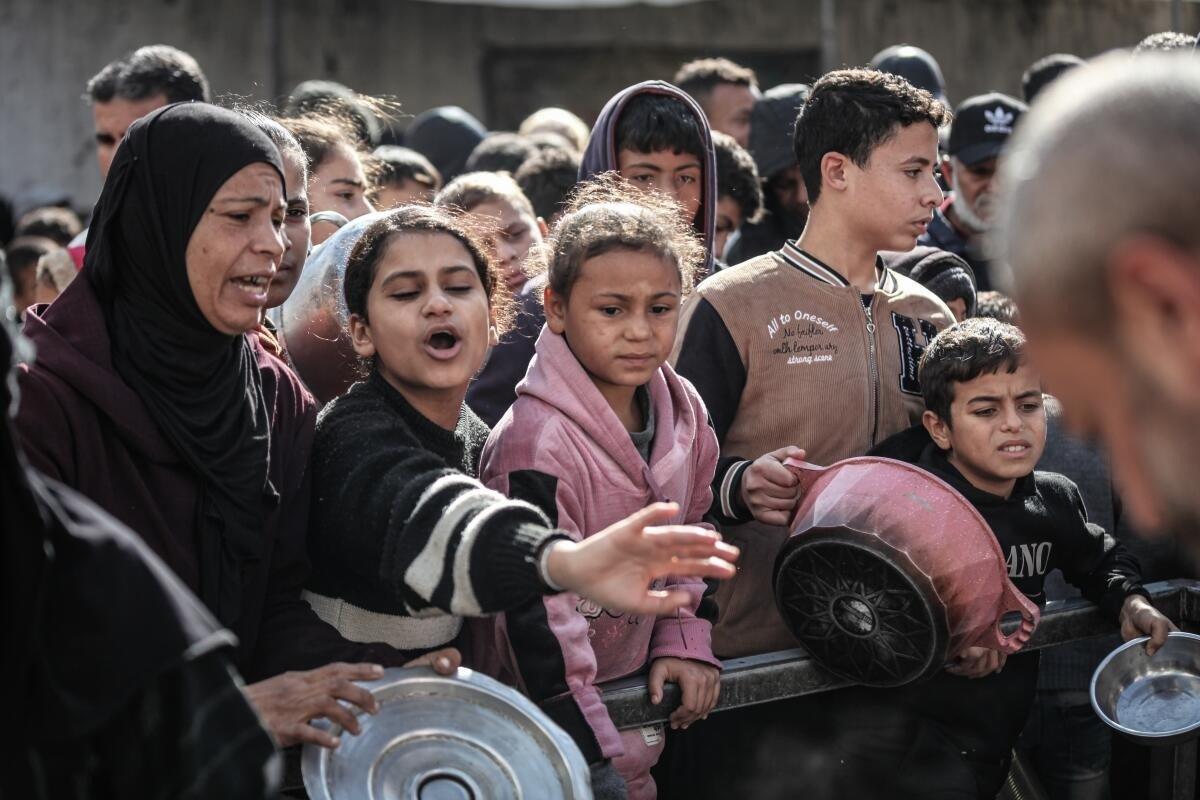
Humanitarian organisations warned the revocations will sharply reduce medical and shelter capacity at a moment of acute need. MSF said the suspensions would be 'catastrophic', noting it supports about 20% of Gaza's hospital beds and assists with roughly one-third of births. UN and aid coordinators warned the measures could 'fundamentally jeopardise' health services, water and sanitation, nutrition and shelter programs that many international organisations run or support.
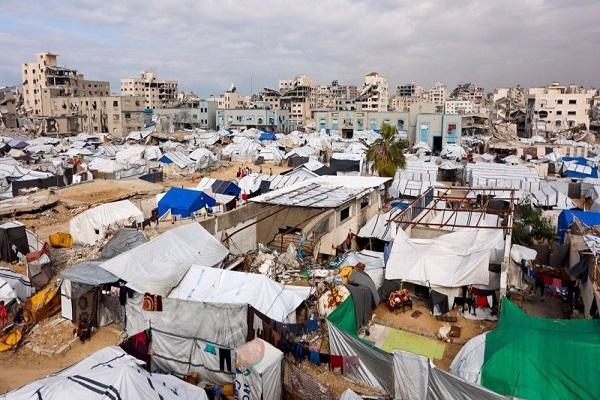
Reports emphasize Gaza's severe winter conditions, collapsed sanitation and partially functional hospitals. They say hundreds of thousands need urgent shelter. Aid groups warn these consequences will be worsened if NGOs are barred from operating or from bringing in international staff.

NGO data access dispute
A core dispute centres on Israel’s demand that NGOs hand over detailed lists of Palestinian staff, funding sources and operational information.
“Israel has defended new registration and data-collection rules—intended to prevent militant infiltration and including ideological disqualifiers—while aid groups and humanitarian experts say vetting by a party to the conflict undermines neutrality and independence and have offered third‑party alternatives Israel reportedly rejected.”
Aid agencies refuse to provide personal staff data, citing safety risks, noting that more than 500 aid workers have been killed in Gaza operations over the past two years, and citing European data-protection laws.
They offered alternatives such as third-party vetting, which they say Israel rejected.
Israeli authorities argue that vetting and ideological disqualifiers—barring groups that call for boycotts or deny the Oct. 7 attack—are necessary safeguards and say the registration process allows appeals.
Critics say the criteria are politicised and breach humanitarian principles and possibly international law.
International response to Gaza crisis
International response has been sharp: ten foreign ministers called the situation 'catastrophic' and urged Israel to reopen crossings, notably Rafah, and lift limits on dual-use imports. The UN Humanitarian Country Team warned of severe disruptions, and UN human rights officials called the step 'shameful.' Some West Asian and alternative outlets went further in language, with PressTV characterising Israel’s campaign as 'genocidal' and citing very high casualty counts reported by Gaza’s Health Ministry.
Western mainstream outlets relayed both the Israeli security justification and the UN/NGO warnings. Some pro-Israel or security-focused outlets emphasised continued coordination and said only a low percentage of aid deliveries had been affected.

Gaza aid impasse
NGOs say they have appealed and sought alternatives but warn the measures will force reliance on overstretched local staff and could close clinics and nutrition centres. Israel says appeals are possible and that humanitarian assistance continues via approved partners, including UN agencies and other organisations. The result is an immediate impasse: Israel is restricting independent international actors while UN agencies and remaining partners face greater operational strain delivering aid to more than two million Palestinians in Gaza who remain displaced, sick, injured or homeless after massive Israeli bombardment and operations.
“MSF strongly rejected this, defended its staff‑vetting and warned deregistration would cripple its Gaza operations (about 20% of hospital beds and one‑third of births).”