Israel Rushed Iron Beam Laser Defense System to UAE to Counter Iranian Missiles
Key Takeaways
- Israel deployed Iron Dome battery and troops to UAE amid Iran war.
- Iron Beam laser system and Spectro surveillance deployed to Abu Dhabi, per FT and Axios.
- First outside-Israel deployment of Iron Dome reported during Iran war.
Gaza War, Gaza Stakes
The war in Gaza sits inside a wider regional conflict described across the sources as a US-Israeli war on Tehran and a retaliatory campaign that drew in multiple Gulf states, with the United Arab Emirates repeatedly portrayed as a central target.
CNN frames the Iran war as the context in which Israel agreed to deploy an Iron Dome interceptor battery to the UAE after a call with President Sheikh Mohammed bin Zayed Al Nahyan, describing it as “a move that demonstrates just how far ties have come.”
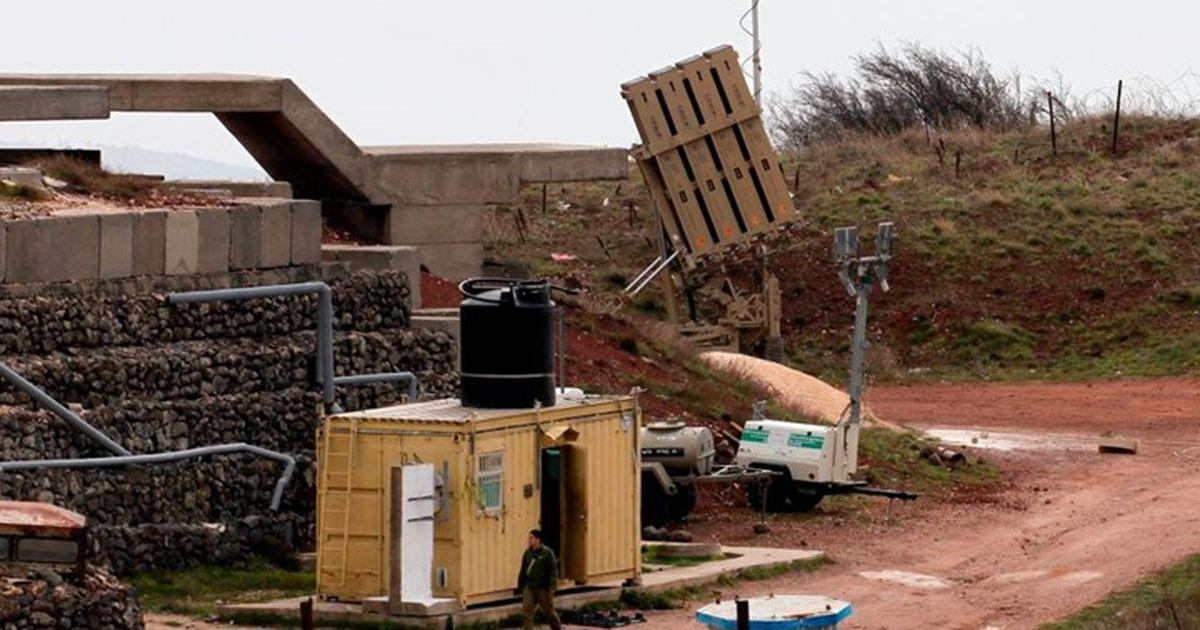
The New York Times similarly says Israel deployed Iron Dome in the UAE during the Iran war, calling it “a remarkable display of defense cooperation between Israel and an Arab nation.”
The Financial Times and Haaretz both report Israel “rushed” a laser air-defense system to the UAE to fend off Iran’s missiles, with Haaretz citing the Financial Times and describing “advanced detection and laser air-defense systems” sent to the UAE.
While these reports focus on the Iran theater, they repeatedly connect the Gulf deployments to the broader conflict that includes the Gaza war, with the New York Times stating that the UAE bore “the brunt” of Iran’s retaliatory attacks during the war and that Israel faced “immense criticism from Arab countries for its bombing campaign in Gaza.”
In this reporting, the Gaza war is not isolated; it is presented as part of a regional security and political realignment in which Israel and the UAE deepen cooperation.
The sources also describe how the UAE’s stance toward traditional alliances shifts as the Iran war unfolds, with CNN quoting Anwar Gargash saying, “I expected it from the Arab League and I’m not surprised,” and adding, “But I did not expect it from the Gulf (states), and I am surprised.”
Israel’s UAE Deployments
Multiple outlets describe Israel rushing layered air-defense and detection systems to the UAE during the Iran war, with the Financial Times report serving as the common reference point.
Haaretz says Israel sent “advanced detection and laser air-defense systems to the United Arab Emirates during the war with Iran,” citing “sources familiar with the deployment and preparations,” and it places the report at “11:16 AM • May 01 2026 IDT.”

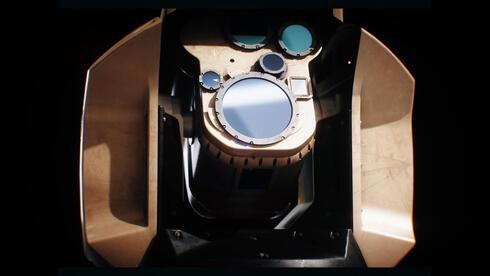
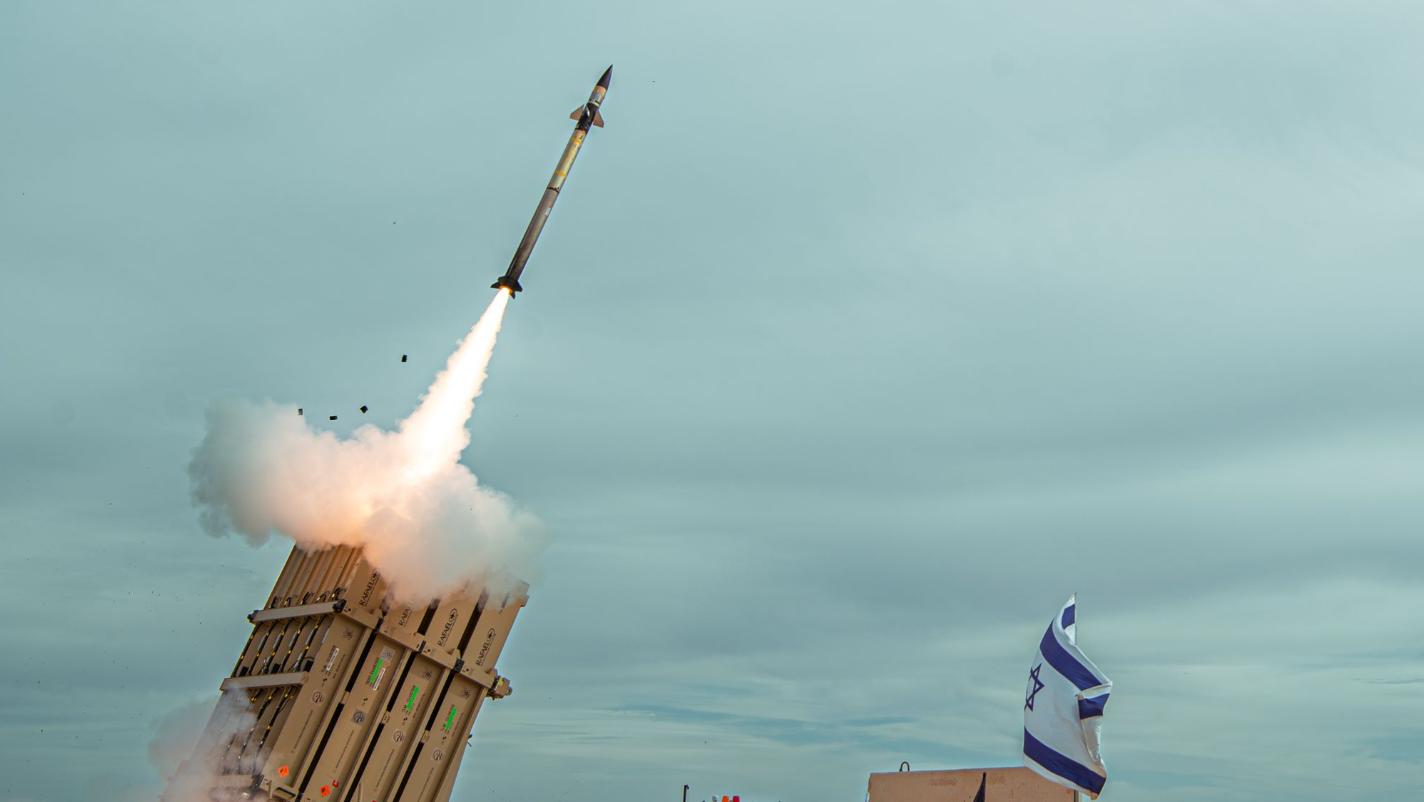
i24NEWS adds detail by naming the systems as “the Iron Beam laser, a Spectro drone detection system, and an Iron Dome” deployed to “Abu Dhabi,” and it ties the timing to Iran firing “2,500 projectiles at the gulf state.”
The Times of Israel states that “Israel dispatched a version of the Iron Beam laser-based air defense system to the United Arab Emirates during the recent fighting with Iran,” and it says the Financial Times reported Israel also sent “an advanced surveillance system known as Spectro” to detect Iranian drones “from up to 20 kilometers (12.4 miles) away.”
The Middle East Eye report similarly says “A version of Israel’s Iron Beam laser defence system was sent to Abu Dhabi,” and it describes Spectro as detecting incoming drones “from up to 20km away.”
The same cluster of reporting emphasizes that Israel’s deployments were not limited to one system: i24NEWS says Jerusalem deployed a version of Iron Beam and a lightweight drone-detection platform called Spectro, and it also says Israel sent “the Iron Dome air defense system to the UAE” along with “several dozen” personnel.
The Times of Israel quotes a Financial Times source saying, “It’s not a small number of boots on the ground,” and it also says the systems were “mostly prototypes, or otherwise not fully integrated into Israel’s own systems.”
In parallel, ynetnews reports that Israel rushed “Spectro” and “Iron Beam” and says the laser system “only recently became operational,” while noting that “The presence of both the ‘Iron Beam’ and ‘Spectro’ systems in the UAE has not been previously reported.”
How the War Was Fought
The sources describe the Iran war as a sustained missile and drone campaign that repeatedly struck the UAE, and they quantify the scale in ways that connect to why Israel’s systems were deployed.
“From almost any other country, the answer would have been a firm no”
Middle East Eye says Iran launched “around 550 ballistic and cruise missiles and more than 2,200 drones at the country,” and it adds that “While most were intercepted, debris caused damage in Abu Dhabi and Dubai,” listing “at the Burj Al Arab, Palm Jumeirah, Dubai Airport and the Fujairah oil industrial zone.”
The New York Times similarly says the UAE bore the brunt of Iran’s retaliatory attacks and reports that in April the Emirati ministry of defense said the country’s air defenses had engaged “nearly 3,000 missiles and drones during the war,” with “Iranian-madeShahed-136drones” posing “a particular challenge.”
i24NEWS reports that Iran fired “more than 500 ballistic missiles and 2,000 drones at the UAE during the conflict,” and it says “the vast majority intercepted” as the UAE deployed multiple air defense systems, including Israeli-made equipment.
ynetnews also states Iran “reportedly launched more than 500 ballistic missiles and over 2,000 drones toward the UAE,” and it says “Most of the projectiles were intercepted” while the scale “has strained interceptor stockpiles among the United States, Israel and Gulf states.”
The Times of Israel adds that between “February 28 and April 8, when a tenuous ceasefire took effect,” Tehran fired “some 550 ballistic and cruise missiles and more than 2,200 drones,” citing the Emirati defense ministry.
In CNN’s account, Israel’s decision is tied to the UAE being under “a relentless Iranian attack during the US-Israeli war on Tehran,” and it says Netanyahu ordered the deployment after a call with Sheikh Mohammed bin Zayed Al Nahyan.
The reporting also describes operational constraints and urgency: The Times of Israel says the defensive and offensive systems were “mostly prototypes, or otherwise not fully integrated into Israel’s own systems,” and it explains this was done “to keep up with the fast pace of the war.”
Voices and Political Friction
The sources include direct statements and named officials describing how the Iran war reshaped alliances, with CNN and the Arabic-language outlet providing the most explicit quoted reactions.
CNN reports that Anwar Gargash, an adviser to the UAE president, said at a conference in Dubai this week, “I expected it from the Arab League and I’m not surprised,” and he added, “But I did not expect it from the Gulf (states), and I am surprised.”
CNN also quotes Gargash again, saying, “Israeli influence (will) become more prominent in the Gulf, not less,” and it frames UAE criticism of other Arab states as part of the political fallout from the Iran war.
CNN includes a quoted Israeli assessment from “an Israeli source with close knowledge of relations with the UAE,” saying, “Amid the limited positive developments to emerge from the Iran war, this relationship (with Abu Dhabi) stands out as ‘good news,’” and it adds, “Ties have advanced to a new level, including at the leadership level.”
The Times of Israel and i24NEWS both include a quoted characterization of the relationship, with i24NEWS citing “a regional official” describing the deployment as a display of “the value of being Israel's friend.”
In the Arabic-language outlet Al Youm Al Sabea, the reporting quotes U.S. President Donald Trump saying, “This is completely illegal. They are not allowed to do that.”
That same outlet also quotes a Tasnim News Agency source saying, “We have prepared some pleasant surprises for Trump’s potential madness; one of them is the addition of Aramco oil facilities at Yanbu, and the Fujairah pipeline to Iran's targets.”
Finally, the Arabic-language outlet reports that Israel’s “occupation forces have imposed a state of maximum alert across the country,” quoting Channel 12 Hebrew that “amid frenzied discussions, Israel is preparing a series of scenarios, with all options on the table, starting with a ceasefire, moving to a framework agreement, up to stopping all attacks that Israel and the United States have carried out so far, and shifting to a different mode of attacks.”
Competing Frames and What Comes Next
The reporting diverges in emphasis, with some outlets focusing on the technical layers of Israel’s defense cooperation while others foreground the political meaning of the deployments and the broader regional posture.
“Iron Beam and Iron Dome at the frontlines of a quiet Israel-UAE alliance Reports reveal military cooperation as Iranian missiles and drones hit the Emirates”
The New York Times frames the Iron Dome deployment as “the first time the missile defense system was sent to an Arab country,” and it links that to the UAE’s normalization under the Abraham Accords and its decision to withdraw from OPEC, saying the UAE “pulled away from its once-close alignment with Saudi Arabia.”
CNN similarly highlights political realignment, stating that the UAE “distances itself from its traditional allies” because of their stance on the Iran war, and it quotes an Israeli source describing the relationship as “good news.”
By contrast, The Times of Israel and i24NEWS foreground the operational specifics and the scale of deployment, with The Times of Israel emphasizing that “It’s not a small number of boots on the ground” and that systems were “mostly prototypes, or otherwise not fully integrated into Israel’s own systems,” while i24NEWS lists the systems and says Israel deployed “several dozen” personnel to operate Iron Dome.
Meanwhile, ynetnews and Middle East Eye focus on the detection and interception logic, with ynetnews describing Spectro detecting Shahed drones “at ranges of up to 20 kilometers (12 miles)” and noting that the laser system was “only recently became operational,” and Middle East Eye describing Spectro’s detection range as “up to 20km away.”
On the Gaza-adjacent security posture, the Arabic-language outlet reports that Israel is preparing “a series of scenarios” including “starting with a ceasefire” and “shifting to a different mode of attacks,” while also reporting a “state of maximum alert.”
It also reports a joint warning from CISA, the FBI, and the NSA about “hackers allied with Iran” exploiting weaknesses in internet-connected devices used to control machinery in “several important sectors,” and it says “Sirens sounded in Bahrain, Qatar, and the United Arab Emirates.”
Looking forward, the sources point to ongoing negotiations and temporary pauses in the Iran war, with Middle East Eye saying “Last month, the US agreed a temporary ceasefire with Iran,” and CNN describing the UAE’s strategic choices as the Iran war cracks old alliances.
More on Gaza Genocide
Israel’s Defense Ministry Approves F-35 And F-15I Deal With The United States
15 sources compared
Israel’s War On Gaza Leaves Thousands With Untreated Fractures As Healthcare System Collapses
16 sources compared

Middle East War Triggers Canceled Flights and Tourism Collapse in Jordan, Dubai, and Egypt
13 sources compared

Israeli Police Arrest 36-Year-Old Man After French Nun Attacked Near Jerusalem’s Old City
26 sources compared