
Israel Says It Killed Iran’s Basij Commander Gholamreza Soleimani and Security Chief Ali Larijani
Key Takeaways
- IRGC confirms Basij commander Gholamreza Soleimani killed in US-Israeli strike.
- Iran confirms Ali Larijani, top security official, killed in Israeli strike.
- Israel announced both killings; Tehran later acknowledged the deaths.
Senior Officials Eliminated
Israeli military forces conducted targeted strikes that eliminated two of Iran's most senior officials: Ali Larijani and Gholamreza Soleimani.
“Iran’s Islamic Revolutionary Guard Corps (IRGC) has confirmed that Gholamreza Soleimani, the commander of the IRGC’s internal security militia, has been killed in the U”
Larijani served as secretary of Iran's Supreme National Security Council and was a close confidant of the late Supreme Leader Ayatollah Ali Khamenei.

Larijani was described as one of Iran's most influential political figures, having served as speaker of parliament for 12 years.
Soleimani commanded the Basij paramilitary forces since 2019 and was under sanctions for his role in suppressing Iranian protests.
The Basij militia, estimated at one million members, played a central role in repressing dissent through violent force against civilians.
Larijani's death comes amid a broader campaign targeting several senior Iranian officials within weeks.
Strike Details Confirmed
The Israeli Defense Forces claimed responsibility for both assassinations, stating they conducted 'precise strikes' against their targets.
Israel announced that Larijani was 'eliminated' in a targeted strike while he was 'located near Tehran.'

The IDF described Larijani as 'one of the oldest and most prominent figures at the top of the pyramid of the Iranian terrorism regime.'
Israel also reported killing Gholamreza Soleimani, commander of the Basij unit, claiming forces targeted him in 'more than 10 different locations' across Tehran.
Iranian state media confirmed both deaths, with the Supreme National Security Council announcing Larijani died with his son and security personnel.
The strikes occurred amid ongoing military operations that have killed more than 1,200 people in Iran according to the Iranian Red Crescent Society.
Iran Vows Revenge
Iran's leadership vowed immediate and severe retaliation for the assassinations.
“Iran’s Revolutionary Guards say Basij chief killed in US-Israeli strike IRGC says Gholamreza Soleimani killed in US-Israeli attack ISTANBUL Iran’s Islamic Revolutionary Guard Corps said Tuesday that the commander of the paramilitary Basij forces, Gholamreza Soleimani, was killed in a US-Israeli strike”
Iranian Army Chief Amir Hatami issued a stern warning, vowing a 'decisive and regrettable' response to the killing of national security chief.
The Islamic Revolutionary Guard Corps claimed it had already launched missile strikes targeting central Israel 'in revenge for the blood of martyr Ali Larijani and his companions.'
Revolutionary Guards commander Sardar Mousavi announced a 'rapid strike,' saying 'tonight, the enemy's sky will become more spectacular for you.'
Iran's Supreme National Security Council confirmed Larijani's death in a statement describing him as having been killed and 'martyred' following a lifetime of public service.
Funerals for both Larijani and Soleimani were planned for the following day, reflecting the high level of official mourning.
Strategic Significance
The assassinations represent the most significant blow to Iran's wartime leadership since the conflict began with the killing of Supreme Leader Ayatollah Ali Khamenei on February 28.
Larijani had emerged as one of the most important figures in Iran in recent months, described as a pragmatist who combined ideological loyalty with technocratic approach.
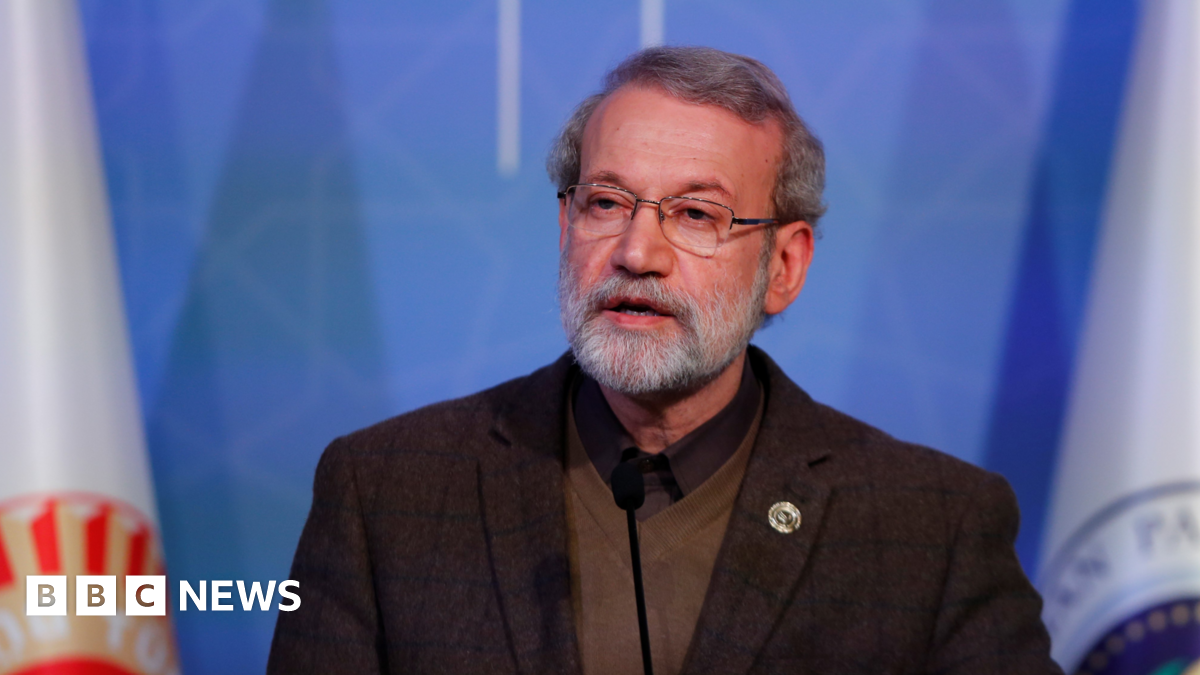
After Khamenei's assassination, Larijani 'functioned' as the de facto leader of the Iranian regime.
Larijani was managing day-to-day operations including directing harsh measures against demonstrators and opposition figures.
Soleimani's death removes a key figure responsible for Iran's internal security apparatus and the Basij forces.
The targeting of these officials appears to be part of a deliberate strategy to weaken Iran's command-and-control structures during the ongoing conflict.
International Fallout
The killings have triggered significant international reactions and broader geopolitical consequences.
“Israeli Defense Minister Israel Katz said Tuesday that Iran's security chief, Ali Larijani, had been killed in airstrikes overnight”
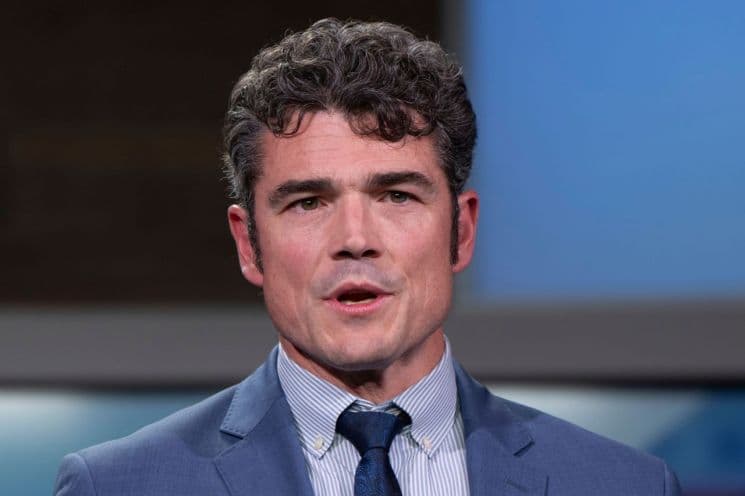
In the United States, the resignation of Joe Kent, director of the National Counterterrorism Center, created a political rift within the Trump administration.

Kent resigned in opposition to the Iran war, stating 'Iran posed no imminent threat to our nation' in his resignation letter.
National Intelligence Director Tulsi Gabbard defended Trump, stating he 'concluded that the terrorist Islamist regime in Iran posed an imminent threat.'
The conflict has had severe economic impacts, with the UN World Food Program warning it could push 45 million people into acute hunger.
Gas prices have spiked due to oil market disruption, and the Strait of Hormuz has been effectively closed, disrupting global shipping.
More on Iran

Israel Kills Iran's SNSC Secretary Ali Larijani in Overnight Strike
34 sources compared
Joe Kent resigns as NCTC director over Iran war, says Iran posed no imminent threat
31 sources compared
Israel Kills Iran’s National Security Council Head Ali Larijani and Basij Commander
25 sources compared

Joe Kent resigns as head of the National Counterterrorism Center amid controversy over Iran war.
39 sources compared