
Israel Says Occupying Southern Lebanon Won’t Destroy Hezbollah’s Last Explosive Drones
Key Takeaways
- Drones hinder Israeli operations in southern Lebanon; soldiers duck under threat.
- Hezbollah drones show evolving tactics challenging Israel.
- Israel budgets counter-drone plan and seeks political backing to confront Hezbollah.
Drones, deterrence, and limits
Israel’s defense establishment told Kan News that even if Israel occupies all of southern Lebanon, “these steps will not be able to destroy the last explosive drones or the last rocket of Hezbollah,” and that “A military move is not enough.”
The same Israeli assessment said a true solution to end the northern threat is “not currently in sight,” while the IDF has been taking “specific defensive measures - not a solution.”
On Saturday, the IDF struck nearly 100 Hezbollah observation posts, terror infrastructure, and a weapons storage facility in southern Lebanon, and it intercepted two Hezbollah drones flying in an area where Israeli soldiers are operating.
Hezbollah also launched rockets and mortar shells towards IDF troops in southern Lebanon, which fell near the soldiers but caused no injuries, as sirens sounded in northern Israel due to concerns that debris from the interception could fall into Israeli territory.
The BBC reported that Hezbollah has increased its use of small first-person view (FPV) drones, with BBC Verify geolocating 35 videos shared since 26 March showing strikes on Israeli soldiers, armoured vehicles and air defence systems in southern Lebanon and northern Israel.
Tactics and countermeasures
BBC Verify said Hezbollah’s FPV systems can be controlled by fibre-optic cables to evade sophisticated defences, and experts told BBC Verify the IDF has “so far been unable to develop any effective countermeasures.”
The BBC also quoted the IDF telling BBC Verify it recognises the threat from drones and is investing “significant resources” in improving defences, developing “more effective alert models” and training soldiers for “improving readiness and increasing awareness of the threat.”
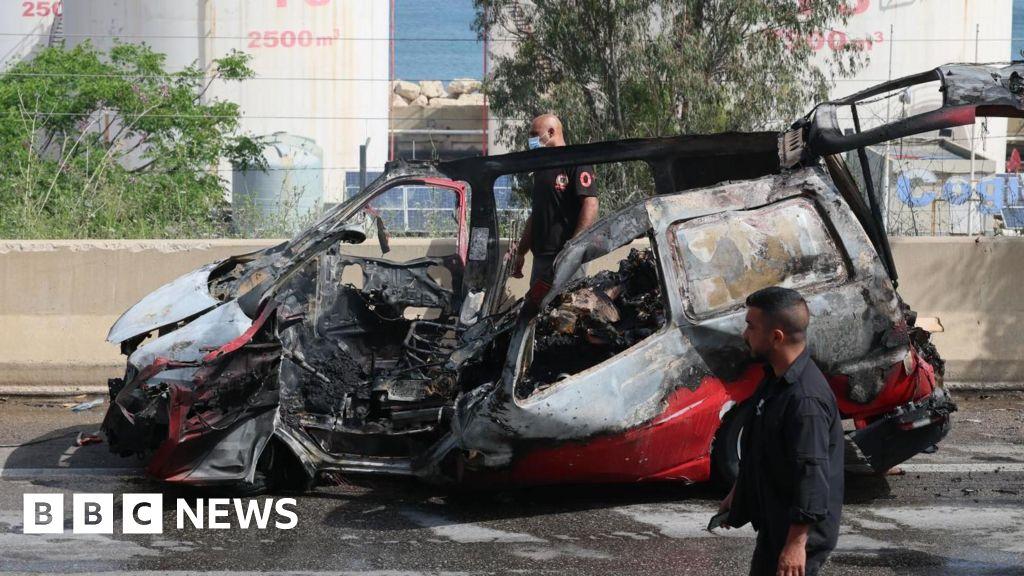
Hisham Jaber, a military analyst and former Lebanese army general, told BBC Arabic that the FPV drones can be “undetectable by radar” and that the “hundreds” of them at Hezbollah’s disposal have been used to disable armoured vehicles, including tanks.
Dr Andreas Krieg, a security expert from King’s College London, told BBC Verify that the fibre-optics render Israel’s capacity to detect, jam and intercept drones “largely irrelevant,” forcing Israeli troops to move more cautiously and harden positions.
The BBC further reported that Krieg said Hezbollah is most likely assembling the drones locally from commercially available and 3D-printed components, with a cost in the range of $300-$500 (£225-£375) each.
Talks, displacement, and risk
The Middle East Online said Hezbollah says its attacks are a response to daily deadly Israeli violations of the ceasefire in effect since April 17, while Israel views the danger posed by Hezbollah as particularly evident in drones.
It reported that the U.S. State Department announced it would hold a new round of talks aimed at reaching a long-term political agreement on June 2–3, and that the Pentagon would hold beforehand a meeting of military delegations from the two countries on May 29.
The article also said Israeli sources familiar with the matter told Haaretz that understandings with Lebanon included establishing a military coordination mechanism under American oversight, with the coordination mechanism discussed in early June and expected to include intelligence cooperation.
Lebanon’s health ministry figures cited by the BBC said at least 2,896 people have been killed since the conflict began, including more than 400 since US President Donald Trump announced a ceasefire in April, and the BBC said more than one million people have been displaced in Lebanon since the conflict began.
Al-Manar TV Lebanon reported an Israeli military assessment that Hezbollah’s explosive drones impede approximately 70% of the Israeli forces’ freedom of action in southern Lebanon, underscoring the operational stakes described by Israeli officials and their stated reliance on deterrence alongside political change.
More on Lebanon

Lebanese Poll Finds 58% Support Disarming Hezbollah and Peace With Israel
10 sources compared
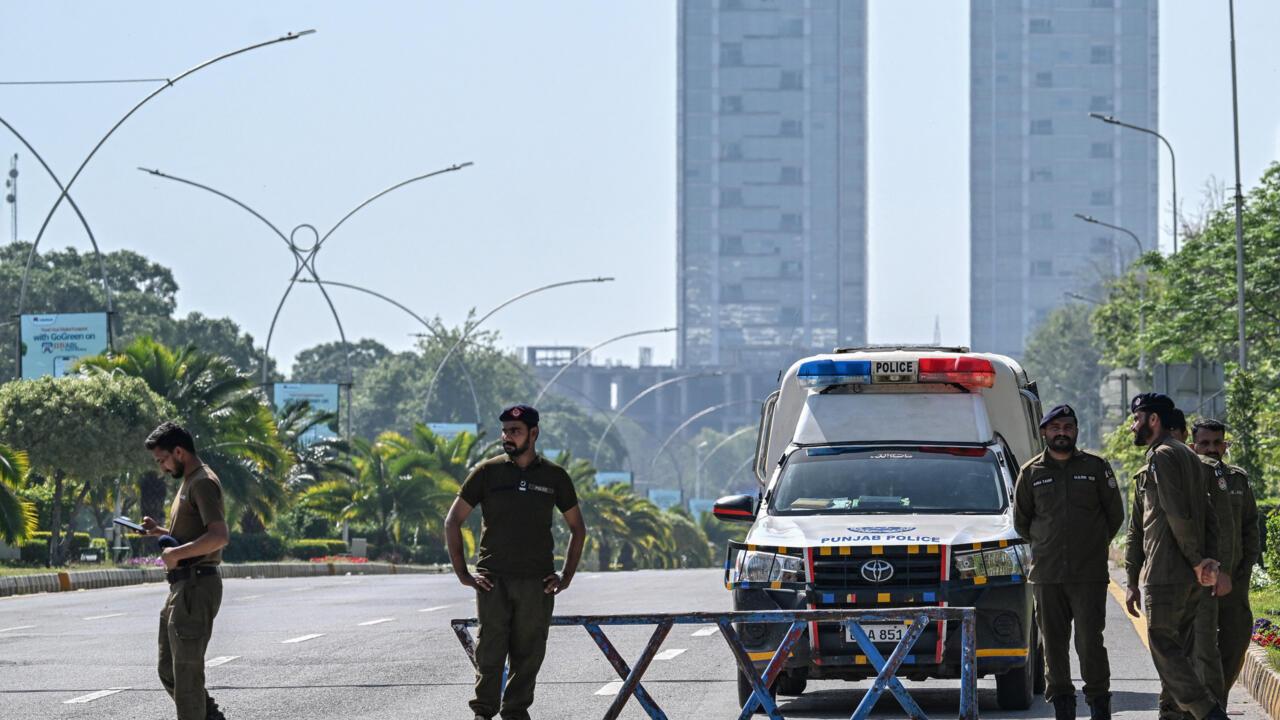
Israeli Strikes Kill 254 in Lebanon as U.S.-Iran Talks Prepare in Islamabad
12 sources compared
Israel Launches Airstrikes on Hezbollah Targets as Israel-Lebanon Ceasefire Extended 45 Days
15 sources compared
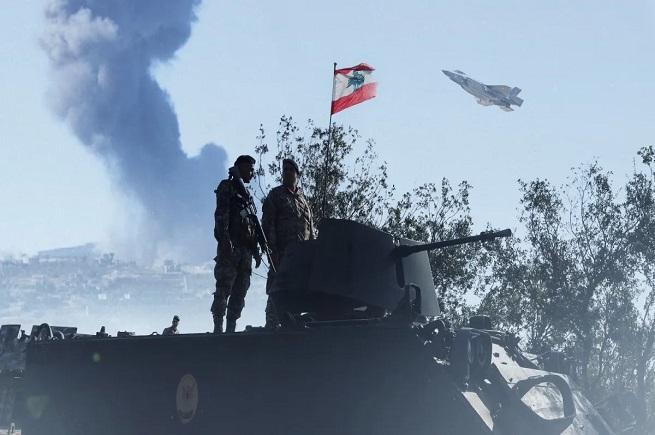
Israeli Air Strike Kills Six in Harouf as Israel and Lebanon Extend Ceasefire
11 sources compared