Full Analysis Summary
Israel severs UN ties
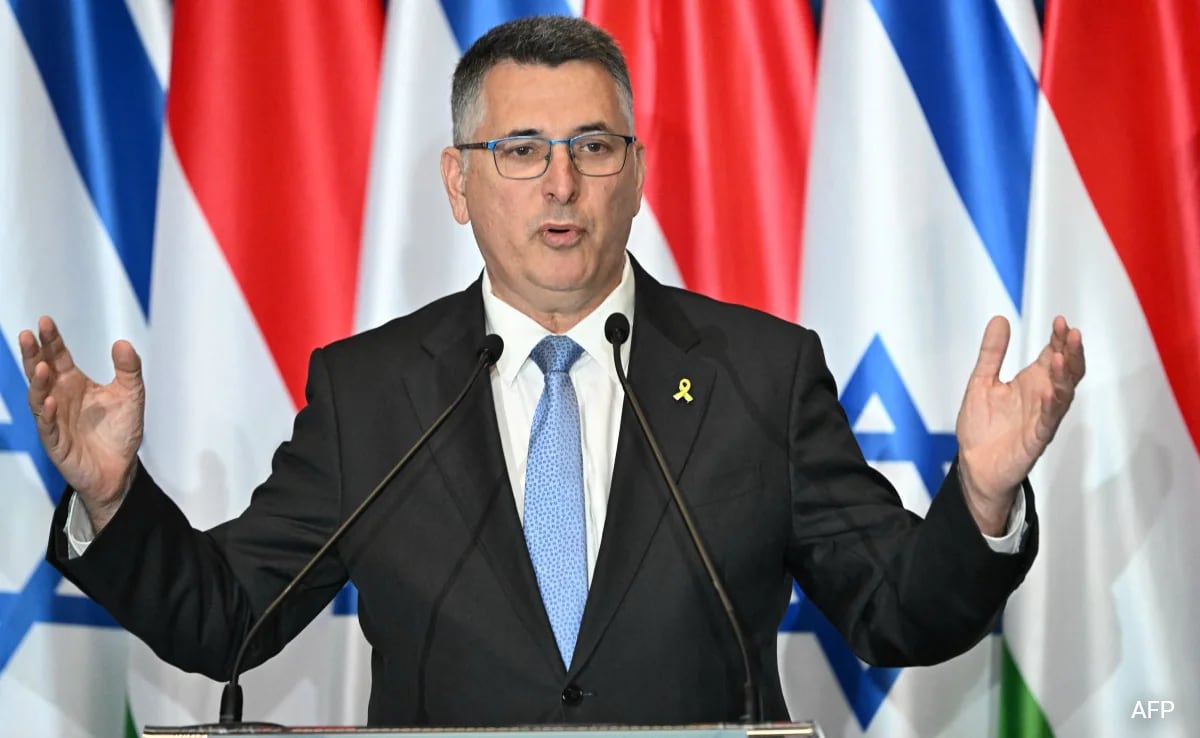
Israel’s foreign ministry announced that Foreign Minister Gideon Sa’ar ordered Jerusalem to immediately sever contact with a number of UN agencies and international bodies, saying those organisations are 'biased, politicised and hostile to Israel.'
The ministry said Israel has already cut ties with four UN entities and will consider further cuts after a review prompted in part by the United States’ recent withdrawals from dozens of international organisations.
The move is presented by the ministry as a direct response to what it sees as hostile and politicised behaviour by the named bodies.
Coverage Differences
Tone and framing
NDTV (Asian) emphasizes Israel’s perspective and justification, quoting the foreign ministry that the agencies are "biased, politicised and hostile to Israel" and listing the specific entities Israel says it has cut ties with. Al-Jazeera Net (West Asian) reports the same Israeli decision but frames it explicitly as a response to the agencies' "positions on the Gaza war" and situates it within wider U.S. withdrawals from international organizations. NDTV reports the ministry's claim as the primary framing; Al-Jazeera adds contextual reporting about the Gaza war and prior U.S. moves.
Israel names UN bodies
The ministry named the Office of the Special Representative for Children and Armed Conflict, which had placed the Israeli army on a 2024 blacklist.
It also named UN Women, which the ministry accused of ignoring alleged sexual violence against Israeli women on October 7, 2023.
The ministry named UNCTAD, saying it produced repeated anti-Israel reports.
The ministry named ESCWA, accusing it of issuing annual anti-Israel reports.
The ministry said it had already ended cooperation with some of these bodies and had long been disengaged from others it views as consistently hostile.
Coverage Differences
Specific accusations vs. contextual reporting
NDTV (Asian) lists the specific entities Israel says it has cut ties with and records Israel’s explicit accusations against them — for example, that the Office of the Special Representative for Children in Armed Conflict "blacklisted the IDF in 2024" and that UN Women "ignored sexual violence against Israeli women on Oct. 7, 2023." Al-Jazeera Net (West Asian) repeats the list and the ministry's accusations but places them in the context of the Gaza war and notes the blacklist and accusations as reported actions rather than Israel’s sole characterisation.
Israel cites U.S. withdrawals
Israel said its review and funding cuts followed recent U.S. withdrawals from multiple international organizations, and the ministry warned further reviews and decisions would follow.
Al-Jazeera linked the move to the U.S. pullback, noting a prior Trump order to withdraw from 66 organizations, while NDTV said Israel's action drew on U.S. precedent and Israel's own experience with these bodies.
Coverage Differences
Contextual emphasis
Al-Jazeera Net (West Asian) highlights the U.S. context (reporting that Donald Trump signed an order to withdraw the U.S. from 66 international organizations) and presents Israel’s move as coming after those U.S. withdrawals. NDTV (Asian) emphasizes Israel’s internal review and experience with the bodies and notes that Israel’s decision ‘followed a review prompted by the United States’ recent withdrawal from dozens of international organisations,’ linking but not centering the U.S. action.
Gaza coverage comparison
Al-Jazeera provides more direct, Gaza-specific context than NDTV in its coverage.
It reports that Israel's October 7, 2023 military campaign, with U.S. support, has lasted two years and notes large Palestinian casualties along with ongoing violations of a phased ceasefire that began on October 10.
NDTV's snippet does not provide casualty figures or a detailed Gaza timeline, instead focusing on Israel's rationale for severing ties and listing the agencies affected.
Coverage Differences
Omission vs. context
Al-Jazeera Net (West Asian) includes reporting on the Gaza campaign’s duration, U.S. support, large Palestinian casualties and ceasefire violations, placing Israel’s decision against that humanitarian and military backdrop. NDTV (Asian) omits casualty figures and detailed Gaza timeline in its coverage, keeping the story tightly focused on Israel’s stated reasons and the agencies it has disengaged from.
Media framing comparison
NDTV frames the story primarily through Israel's official assertions that UN bodies are biased, politicised and hostile, and lists specific institutional grievances.
Al-Jazeera Net reproduces those Israeli claims but also situates the decision within a broader U.S. pullback from international bodies and within reporting on the Gaza military campaign and high Palestinian casualties.
The two sources differ in emphasis: NDTV foregrounds Israel's stated rationale and specific agency exclusions, while Al-Jazeera foregrounds the Gaza context and wider geopolitical precedents.
Coverage Differences
Narrative emphasis and scope
NDTV (Asian) focuses on Israel’s denunciation of the agencies and the concrete list of bodies severed, using Israel’s language about bias and hostility as the central narrative. Al-Jazeera Net (West Asian) reports those same Israeli claims but broadens the narrative to include the Gaza military campaign, casualty reporting and the U.S. precedent of withdrawing from many international organisations, giving readers more context about why Israel might be acting and how others have acted similarly.