Gaza Genocide18 July, 20252 min read
Israel Shells Gaza's Only Catholic Church, Kills Three Civilians and Wounds Parish Priest
This article is an automated aggregation of coverage from news outlets. Our editorials offer in-depth analysis curated by the NewsCord team.
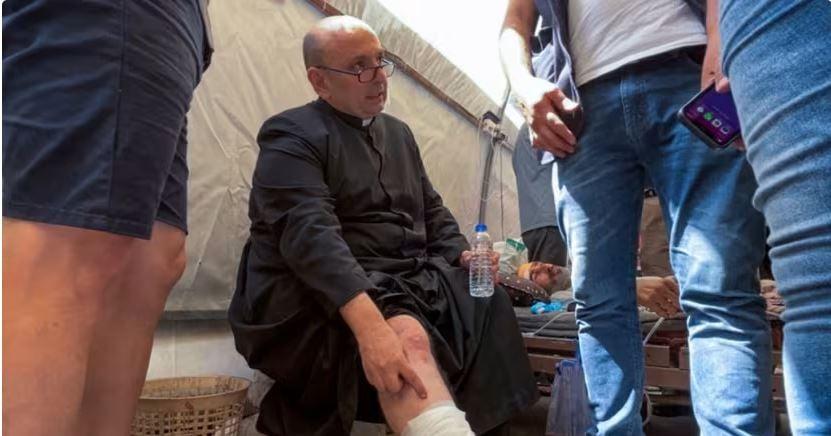
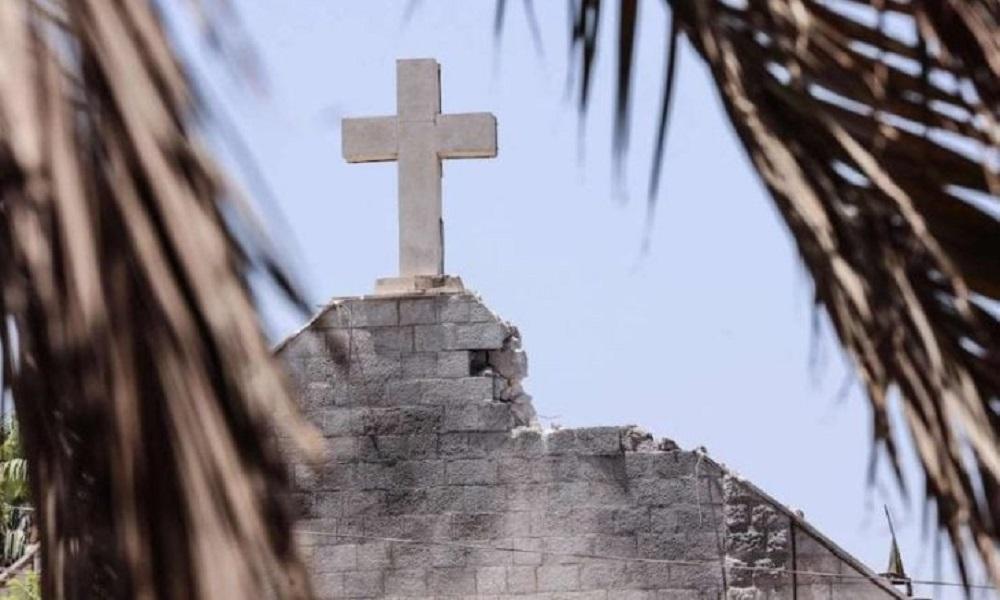
Israeli shell struck Gaza’s Holy Family Church, killing three civilians and wounding the parish priest. Church sheltered displaced civilians, including elderly and children, during Gaza genocide.
42 outlets told this the same way.
Outlets did split on Israel Marks Oct. 7 Anniversary With Strikes on Gaza, Netanyahu Faces Election After Nova Tribute →
Israel National News was read line by line by the Watchdog: 7.3. See the score →
Gaza church strike
On July 17, Israeli forces struck the Holy Family Catholic Church compound in Gaza City, killing civilians and wounding the parish priest. Reports differ on the toll: several outlets say three people were killed and about ten wounded, including Father Gabriel Romanelli, while others report two dead and multiple injured.
“An Israeli strike on Gaza’s only Catholic church — the Holy Family compound in Gaza City — struck on July 17, 2025, killing three people and wounding ten, including the parish priest, Father Gabriel Romanelli, the Latin Patriarchate of Jerusalem said.”
The Latin Patriarchate of Jerusalem, local hospitals and civil defence confirmed the strike hit the church where displaced Palestinians were sheltering. Israel's military acknowledged reports of damage and civilian casualties, said it is investigating the incident and asserted it does not target religious sites.

Attack on church shelter
The church compound had been sheltering roughly 600 displaced Palestinians, including many children and at least 54 people with special needs, making the strike deadly for vulnerable civilians. Christian and local aid groups described severe damage to the complex and evacuations to Al-Ahli Hospital, which treated the wounded. Catholic leaders and charities emphasized the site served both Christians and Muslims and that the attack struck a protected humanitarian sanctuary.
International response to strike
The strike drew international condemnation: the Vatican expressed deep sorrow; Pope Leo, via a telegram signed by Cardinal Pietro Parolin, urged an immediate ceasefire; and political leaders, including Italy’s prime minister, criticized Israel. Humanitarian agencies and UN officials warned of widespread devastation in Gaza and documented damage to religious sites, and some outlets cited UN findings or commissions alleging crimes against civilians. Israel said it 'never targets' religious sites, expressed regret, and launched an inquiry it said would be published, while some governments pressed Israel for answers.
“A church in Gaza was hit in a military strike that prompted criticism over a lack of accountability, while Israeli authorities insist they do not target religious sites.”
Gaza campaign and casualties
Observers placed the church strike in the wider context of Israel’s campaign in Gaza and documented heavy civilian death tolls and destruction. Gaza’s health ministry figures, cited across many outlets and not independently verified by some reporters, put Palestinian deaths in the tens of thousands.
Several sources describe sustained damage to hospitals, mosques and churches and warn of famine and the collapse of medical services. Some commentators and rights groups characterize Israel’s sustained assault as crimes against the Palestinian population, while other reporting notes disputes over casualty classifications and the fog of war around specific incidents.
Investigations and humanitarian aid
Calls for independent, transparent investigations and increased humanitarian access were immediate. The Latin Patriarchate and international church leaders visited Gaza to assist evacuations and bring aid.
“The IDF said an initial inquiry suggested fragments from a shell fired during operational activity had mistakenly hit the church; the cause remains under review.”
Humanitarian agencies and OCHA warned of mass displacement and dire shortages of fuel and medical supplies. Some sources record Israel’s promise to publish its probe, while others demand impartial international investigations and note existing ICC and ICJ processes alleging war crimes and a genocide case, indicating deep disagreement over whether Israeli inquiries suffice for accountability.