Syria28 November, 20252 min read
Israel Slaughters 13 Syrian Civilians in Beit Jinn Raid
Israeli forces raided Beit Jinn to arrest two militants accused of plotting attacks. The operation killed 13 civilians, including children, according to residents and Syrian officials.
11 outlets told this the same way.
Outlets did split on France Suspends Police Stun Grenades at High School Protests After 15-Year-Old Loses Hand →
Beit Jinn raid fallout
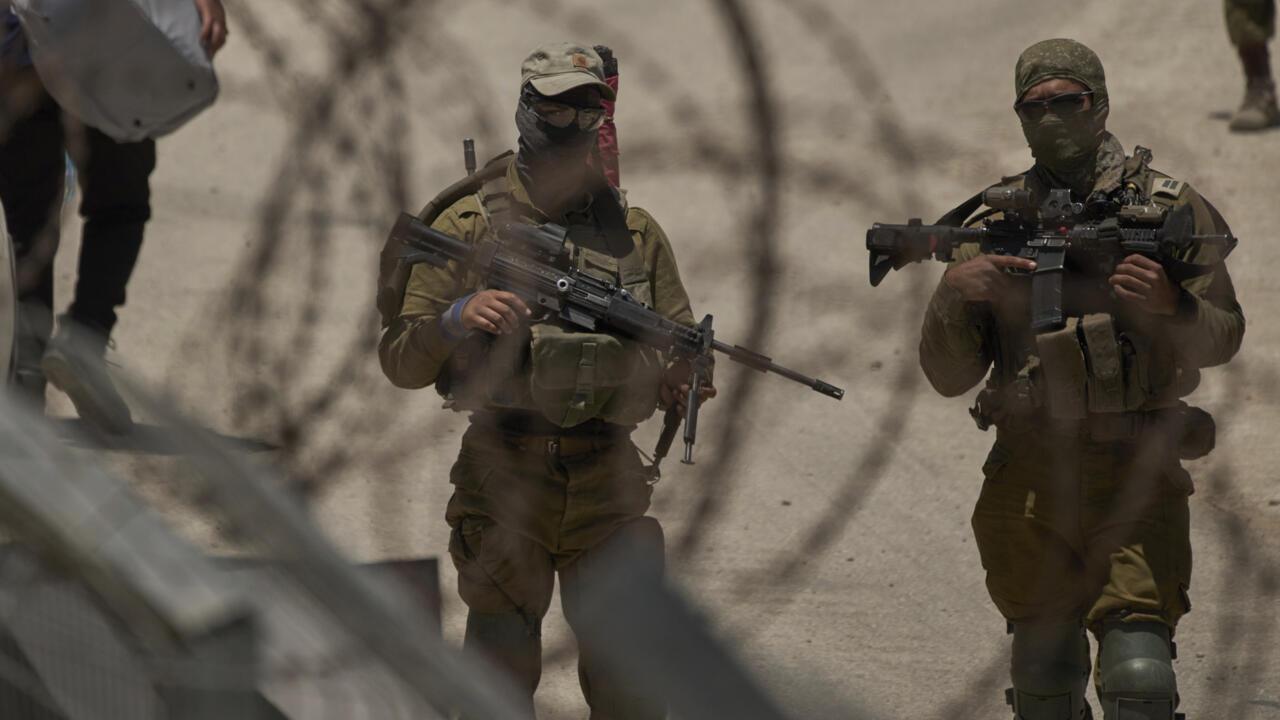
An Israeli operation in the southern Syrian village of Beit Jinn in the early hours of Friday resulted, according to multiple Syrian and monitoring reports, in at least 13 people killed, including women and children. Dozens of families fled and some people were trapped under rubble. Syrian state media and officials protested the operation and described heavy civilian harm.
“On Nov. 28 Israeli forces carried out an operation in the southern Syrian village of Beit Jin that Syria says killed 13 people; state reports said women and children were among the dead, with people trapped under rubble and dozens of families fleeing.”
Israeli authorities said the raid targeted fighters and suspects accused of planning attacks on Israeli civilians. Eyewitnesses, civil defence workers and relatives corroborated reports of civilian deaths, even as Israeli statements emphasized arrests and wounded soldiers.

Israeli raid reports
Israeli statements and Western outlets frame the raid as a counter‑terrorism operation in which troops attempted to detain suspects tied to al‑Jama'a al‑Islamiyya (also referenced as Jamaa Islamiya). Israeli officials say troops came under fire, resulting in wounded soldiers and subsequent strikes.
Several sources report that Israeli forces used aerial support — drones, helicopters, and fighter jets — after ground forces reported being engaged. Some accounts say suspects were detained without resistance, while others describe an ambush and the abandonment of an Israeli vehicle.

Regional reactions to strike
Damascus and regional governments reacted strongly. Syria's foreign ministry called the strike part of repeated violations of sovereignty and directly blamed Israel. State outlets labeled the action a "war crime" and a "deliberate massacre" and urged the UN Security Council, the UN and the Arab League to intervene.
“Syria accused Israel of carrying out a ‘deliberate massacre’ during an overnight operation in Beit Jinn, south of Damascus, saying residential areas were struck and civilians killed.”
Qatar and Jordan publicly denounced the incursion as a violation of Syrian sovereignty and international law and called for accountability. Syrian officials vowed to defend their territory under international law.
Cross-border escalation risks
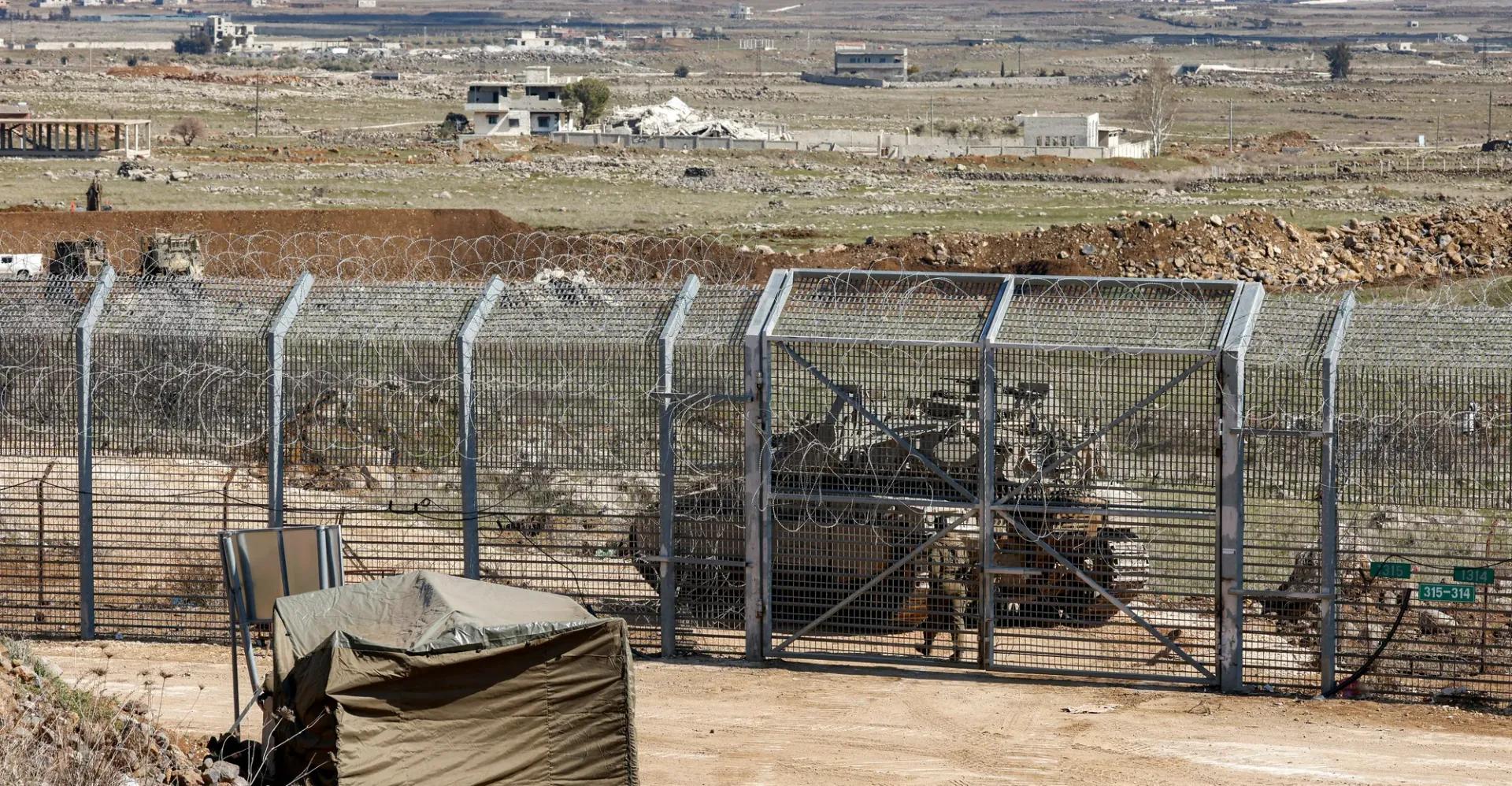
Analysts and local outlets warn the raid risks widening cross-border violence in a region already marked by repeated strikes, disputes over the UN-monitored Golan Heights, and recent clashes in Lebanon. Reporting links the incident to a longer pattern of Israeli strikes and incursions into southern Syria. It also notes related escalation in the north, including UN-reported Lebanese civilian deaths since last year's ceasefire, prompting concerns about the fragile regional security balance.
Media framing differences
Western mainstream outlets (Le Monde, The Washington Post) generally present casualty figures and Israeli statements alongside Syrian condemnations without endorsing legal labels. West Asian outlets (شفق نيوز, kurdistan24.net, The New Arab, Arab News PK) foreground Syrian denunciations and civilian suffering using stronger terms such as deliberate massacre and war crime.
“Syria — while protesting what it calls aggression — remains committed to dialogue and willing to engage in talks.”
Western alternative outlets (EA WorldView) stress tactical details and portray the event as part of expanding Israeli military activity in southern Syria. These distinctions shape whether readers see the incident mainly as a counter-terror raid that went wrong or as an example of alleged unlawful force against civilians.