Gaza Genocide08 December, 20253 min read
Israel Spies on U.S. Troops at Gaza Ceasefire Base in Kiryat Gat
This article is an automated aggregation of coverage from news outlets. Our editorials offer in-depth analysis curated by the NewsCord team.
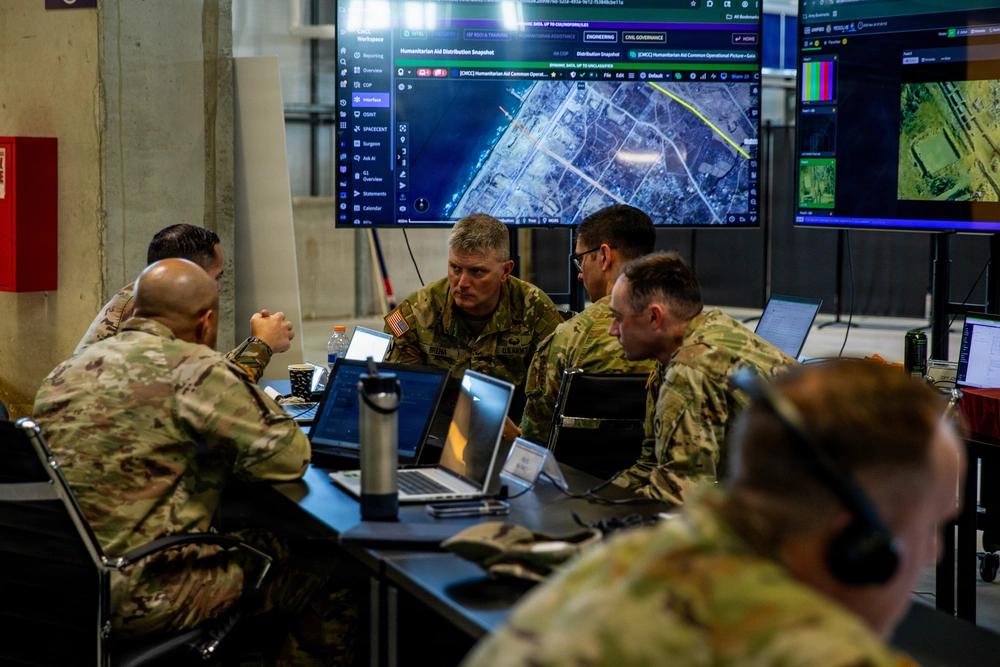
Israeli operatives conducted widespread surveillance of US and allied personnel at Kiryat Gat CMCC. US commander summoned an Israeli counterpart to demand that recording and surveillance stop.
8 outlets told this the same way.
Outlets did split on Thousands March in London Calling for Britain to Stop Arming Israel and Impose Sanctions →
CMCC surveillance allegations
Multiple outlets report that Israeli operatives covertly recorded and surveilled U.S. troops and allied personnel at the Civil-Military Coordination Center (CMCC) in Kiryat Gat.
“News outlets report that Israeli authorities have been conducting recordings and surveillance at a U.S.-run Civil-Military Coordination Center (CMCC) in southern Israel set up in October to monitor the Gaza ceasefire and coordinate aid.”
The CMCC is a U.S.-linked base set up in October to monitor the Gaza ceasefire and coordinate aid.

News accounts say the spying was pervasive enough that U.S. base commander Lt. Gen. Patrick Frank summoned an Israeli counterpart and demanded that recording stop.
Personnel from allied countries raised concerns about covert and open recordings of meetings.
Israel denies intelligence-gathering claims and called the allegations "absurd," while noting discussions at the centre are unclassified.
The CMCC houses representatives from around 50 nations and meets on issues like hospitals, schools and public services.
Palestinians are excluded from the process according to multiple reports.
CMCC aid hub concerns
The Guardian describes the CMCC as a multinational military-civilian hub staffed by US, Israeli and allied planners, diplomats and some aid workers that combines military planning with humanitarian discussion. Many diplomats and aid agencies warn this mixing risks violating international law and dehumanising Gazans. Reports from Truthout and The Guardian stress that Palestinians, neither civil society nor the Palestinian Authority, are excluded from the CMCC and that attempts to include them by video were repeatedly cut off.
Several outlets report that U.S. logistics teams concluded Israeli controls on 'dual use' imports, rather than security or engineering problems, were the main barrier to aid entering Gaza. Those restrictions reportedly led dozens of U.S. personnel to leave the centre after concluding Israeli policy, not logistics, was blocking relief.

U.S.-Israel surveillance dispute
U.S. officials reacted strongly: outlets report formal U.S. protests to Israel, internal alerts and orders for multinational staff to avoid discussing sensitive matters while the scope of surveillance was assessed. Multiple reports say dozens of U.S. personnel have returned home or left the CMCC after initial deployments.
“U.S. officials formally protested to Israel after discovering that Israeli operatives had been covertly surveilling American and allied personnel at the Civil Military Coordination Center (CMCC) in Kiryat Gat.”
The U.S. base commander's confrontation with Israeli counterparts reportedly prompted immediate instructions and diplomatic pushback. Israel defended its behavior, saying it routinely documents meetings and that conversations in the CMCC are unclassified, while some reports claim Israeli forces refused to cease recording when asked.
CMCC and Gaza humanitarian context
The CMCC surveillance story sits within a wider and stark context of severe civilian harm and constrained aid in Gaza described across the sources.
Drop Site News compiles casualty and humanitarian statistics, recording tens of thousands of Palestinian deaths and hundreds of thousands injured since Oct. 7.
It reports continued deaths and injuries since the ceasefire began and frames a humanitarian collapse, with only a limited number of medical supply trucks allowed into Gaza each week.
The Guardian and other outlets note that the CMCC’s exclusion of Palestinians and its mixing of military and humanitarian roles has alarmed diplomats and aid agencies.
Critics warn there is no credible plan for Israel’s stated prerequisite of Hamas demilitarisation and note accusations by the UN and many organisations that Israel has committed grave crimes in Gaza.
CMCC and Gaza stabilization
The long-term role of the CMCC and its impact on Gaza stabilization remain uncertain. The Guardian reports dozens of U.S. personnel have already returned home and that the centre's long-term remit is unclear. Drop Site News says regional diplomacy is scrambling over designs for international stabilization forces, including who will disarm Hamas and who will fund reconstruction.
“Dozens of US personnel have already returned home after their initial remit ended, and the CMCC’s long‑term role is uncertain.”
There are strong disagreements among Turkey, Qatar, Saudi Arabia and other states, and Palestinians remain excluded from the coordination structure. Critics warn the centre operates without a clear international mandate and may mix military and humanitarian tasks in ways that dehumanize Gazans and limit accountability.
