Lebanon05 February, 20262 min read
Israel Sprays Cancer-Linked Herbicide on Southern Lebanese Farms
Israeli forces sprayed glyphosate herbicide across farmland and villages in southern Lebanon Lebanese tests and officials identify the substance as glyphosate, linked to probable carcinogenicity

7 outlets told this the same way.
Outlets did split on Lebanon’s Judiciary Prepares To Apply General Amnesty Law No. 70, Judge Ahmed Rami Al-Hajj Says →
Alleged herbicide spraying
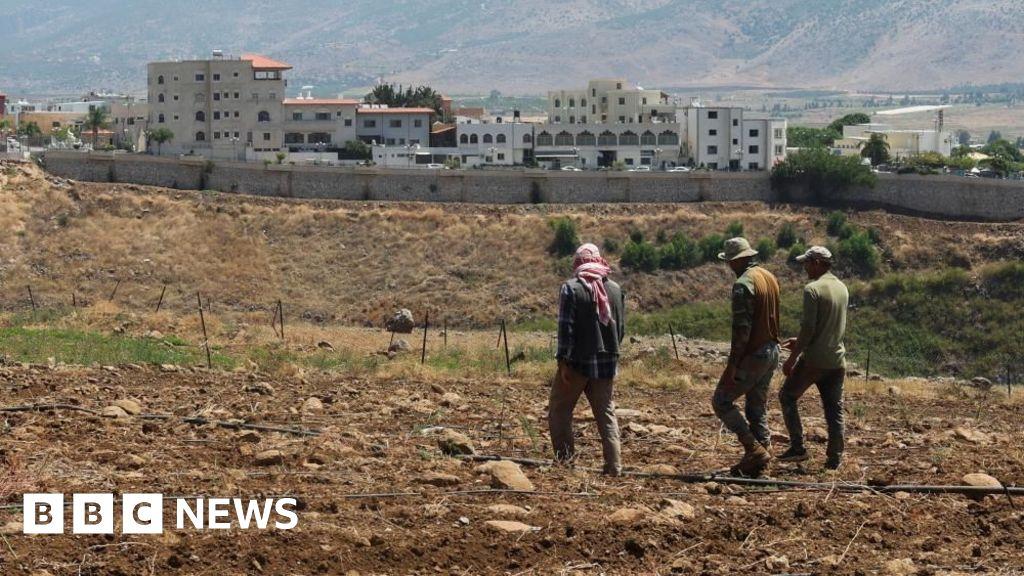
Lebanon has accused Israeli aircraft of spraying an agricultural herbicide across villages and farms in southern Lebanon. Lebanese laboratory tests identified the chemical as glyphosate and found concentrations far above normal agricultural use. Lebanese authorities and President Michel Aoun described the action as an "environmental and health crime" and a violation of sovereignty.
“Lebanon has accused Israel of spraying a cancer-linked herbicide over farms in southern Lebanon, calling it an ‘environmental and health crime’ that threatens food security and farmers’ livelihoods.”
Officials reported samples contained glyphosate at about 20-30 times normally accepted levels. The Israel Defense Forces declined to comment on the allegations.

Alleged aerial spraying incident
Lebanese officials say the spraying was carried out from light military aircraft and that video footage exists. They say UNIFIL has also been involved in the matter, though accounts vary.
Lebanon's agriculture and environment ministries say their laboratory tests identified glyphosate and that concentrations were dramatically above normal application rates. The Lebanese Foreign Ministry has begun documenting allegations and said it will coordinate with agriculture, environment and public-health ministries and scientific bodies to identify substances and assess damage.
Aerial glyphosate impacts
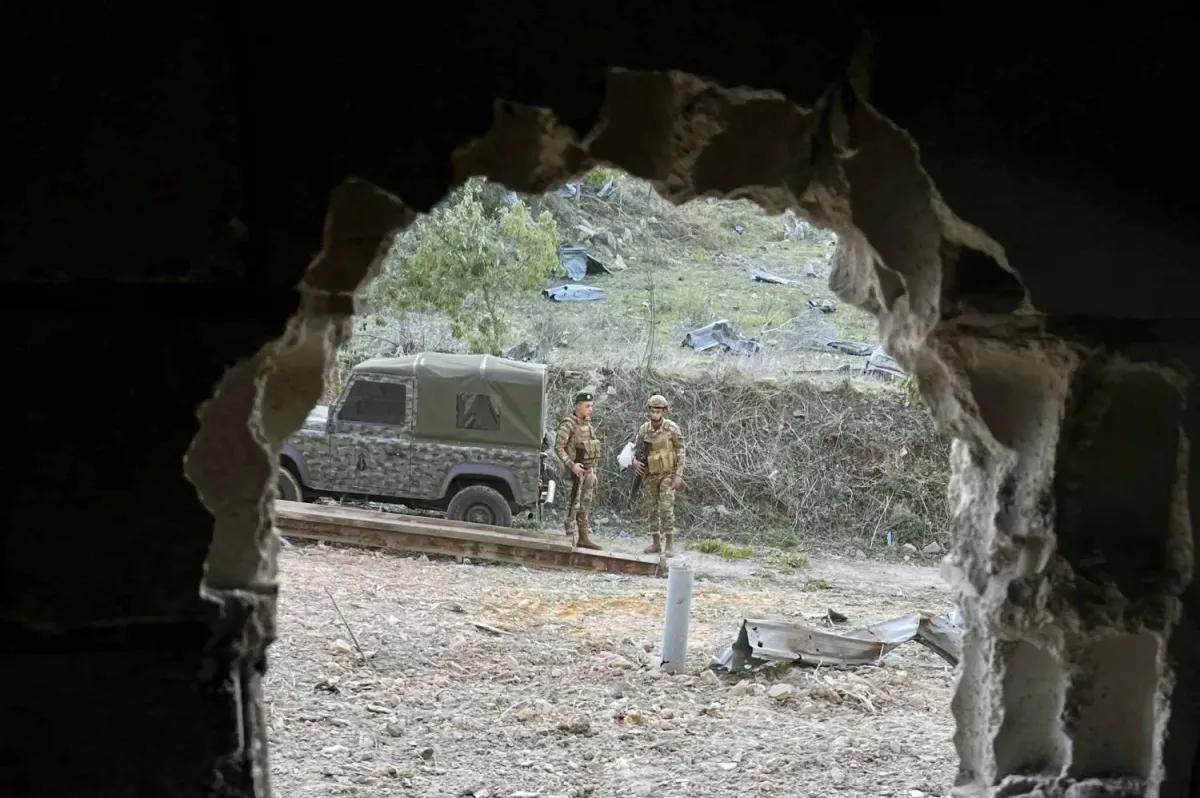
Lebanese politicians, environmentalists and health officials warned of acute and long-term harms from aerial glyphosate application. MP Abdul Rahman Al-Bizri and other officials flagged immediate symptoms such as skin rashes, eye irritation and respiratory complaints. They also warned of chronic risks, which some studies link to lymphoma and blood disorders.
“Lebanese MP Abdul Rahman Al‑Bizri, a member of parliament’s health committee, warned that aerial spraying of glyphosate ... poses serious health and food‑security risks.”
Environmental groups said repeated spraying would have cumulative, complex and deep impacts on soils, crops, pollinators and livelihoods. The episode compounds already severe damage to farmland and ecosystems following the 2023-24 conflict, which the UN FAO estimated caused substantial agricultural losses.
Lebanon response to spraying
Lebanon says it will pursue legal and diplomatic measures, preparing documentation and a formal complaint to international bodies while stepping up a diplomatic offensive. President Aoun publicly condemned the action. Some reporting highlights open questions about the episode, noting that the stated purpose of any spraying has not been made public.
The IDF declined to comment. There is scientific and regulatory debate over glyphosate's potential cancer risks, leaving uncertainties about intent, legal classification and long-term environmental effects.