
Syria · 22 August, 2026 · 3 min read
Mossad Chief Roman Gofman Calls Syrian Foreign Minister Asaad al-Shaibani Over Turkish Presence
Mossad chief Román Gofman spoke with Syrian Foreign Minister about Turkish presence in Syria. Israeli airstrike hit Abu al-Duhur airbase in Idlib days after the call.
184 outlets told this the same way.
8 of 10 outlets skipped it: mossad chief spoke by phone with Syrian foreign minister (Aug 14).
184outlets compared
Mossad call before strike
Three informed sources said the head of Israel's Mossad, Roman Gofman, spoke by phone with Syrian Foreign Minister Asaad al-Shaibani on August 14 about the Turkish military presence in Syria, days before Israel carried out an airstrike targeting the Syrian Abu al-Duhur airbase. The sources said the call was among the highest levels of contact known so far between Israel and the Damascus-led Syrian administration in Damascus under President Ahmed al-Sharaa, and they said the office of the Israeli prime minister did not comment and there was no comment from a spokesman for al-Shaibani either. The call came four days before Israel bombed the Abu al-Duhur base, with Israeli Prime Minister Benjamin Netanyahu saying after the attack that Damascus was moving toward allowing Turkish forces to deploy at the base despite Israeli warnings that such a deployment would threaten Israel’s security.
In response, Turkey rejected Israeli allegations, and the Turkish Foreign Ministry did not respond to a request for comment while Turkey’s Ministry of Defense declined to comment. Washington sought to prevent escalation after the strikes, with Tom Barak, the American ambassador to Turkey and the special envoy to Syria and Iraq, describing the attacks as an “unnecessary escalation” that does not serve regional stability.
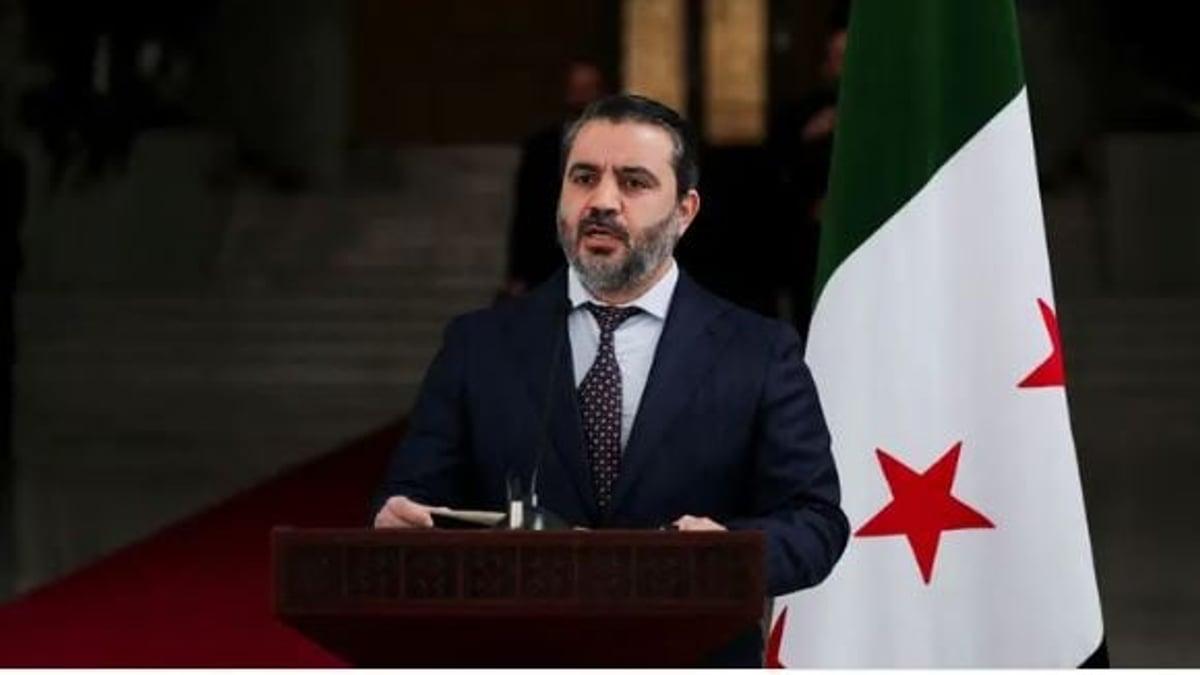
Netanyahu, Erdoğan, and denials
After Israel’s strikes on the Abu Ez-Zuhur airbase in northern Syria, a Turkish defense ministry official told the press, “We affirm that there was no Turkish military delegation at Abu Ez-Zuhur airbase before or during the attack carried out by Israel against this base in Syria.” Turkey also warned that it would continue forcefully to protect Syria’s integrity and sovereignty, with Rear Admiral Zeki Akturk saying, “The strikes against Abu Ez-Zuhur military airport target stability, security, unity, and the integrity of Syria.” Israeli Defense Minister Israel Katz warned Turkey of “dangerous adventures” in Syria, stressing that Israel “will not allow any threat to its security,” while Netanyahu said Israel had sent a clear message to Turkey not to establish military bases in Syria.
Yair Golan, head of the Democrats, called the attack in Syria “provocative and dangerous,” saying it “brings us closer to a confrontation with Turkey and deepens the rift with our allies, most notably the United States,” according to 20 Minutes. Separately, Al Jazeera reported that Foreign Minister Asaad al-Shaibani said Syria has “no plans to establish a Turkish military presence at the Abu al-Duhur airbase,” while denying any Turkish military build-up and explaining the facility was largely empty.
What’s at stake next
Analysts cited by Al Jazeera said the Tuesday air strikes on an airbase in northwest Syria were a message to Damascus and also to Turkiye, with Kheder Khaddour telling the outlet, “Bombing an airbase means the Israeli army doesn’t want the new Syria to have any sort of air force in the coming years.” The same Al Jazeera analysis quoted Asli Aydintasbas saying, “Syria has not been a threat to Israel, and there have been months of negotiations on a security deal between the two neighbours,” framing the dispute as tied to negotiations rather than immediate danger. Al Jazeera also reported that International Crisis Group’s senior analyst for Syria, Nanar Hawach, said only airstrips and storage facilities were damaged and that “no jets were destroyed,” while other analysts said Israel was trying to send a message that Syria should not rebuild its air force.
In parallel, Reuters-linked reporting in the sources said the call between Mossad and al-Shaibani discussed the Turkish military presence, and the U.S. special envoy Tom Barak said Washington was working to establish a mechanism to prevent escalation between Israel, Turkey, and Syria. The stakes described across the accounts centered on whether Turkish forces could deploy at Abu al-Duhur and whether Israel would accept any Turkish military presence, with Netanyahu warning that Israel “will not accept a Turkish military presence in Syria that it views as a threat,” and Turkey insisting it would not “fall into the ‘trap’ set by Benjamin Netanyahu in Syria.”