Iran-Israel08 March, 20263 min read
Israel Strikes Beirut Hotel, Targets Tehran Commanders
This article is an automated aggregation of coverage from news outlets. Our editorials offer in-depth analysis curated by the NewsCord team.
Israeli strike hit a Beirut seaside hotel targeting senior Iranian commanders Iran's Revolutionary Guards say the country can sustain an intense war for six months
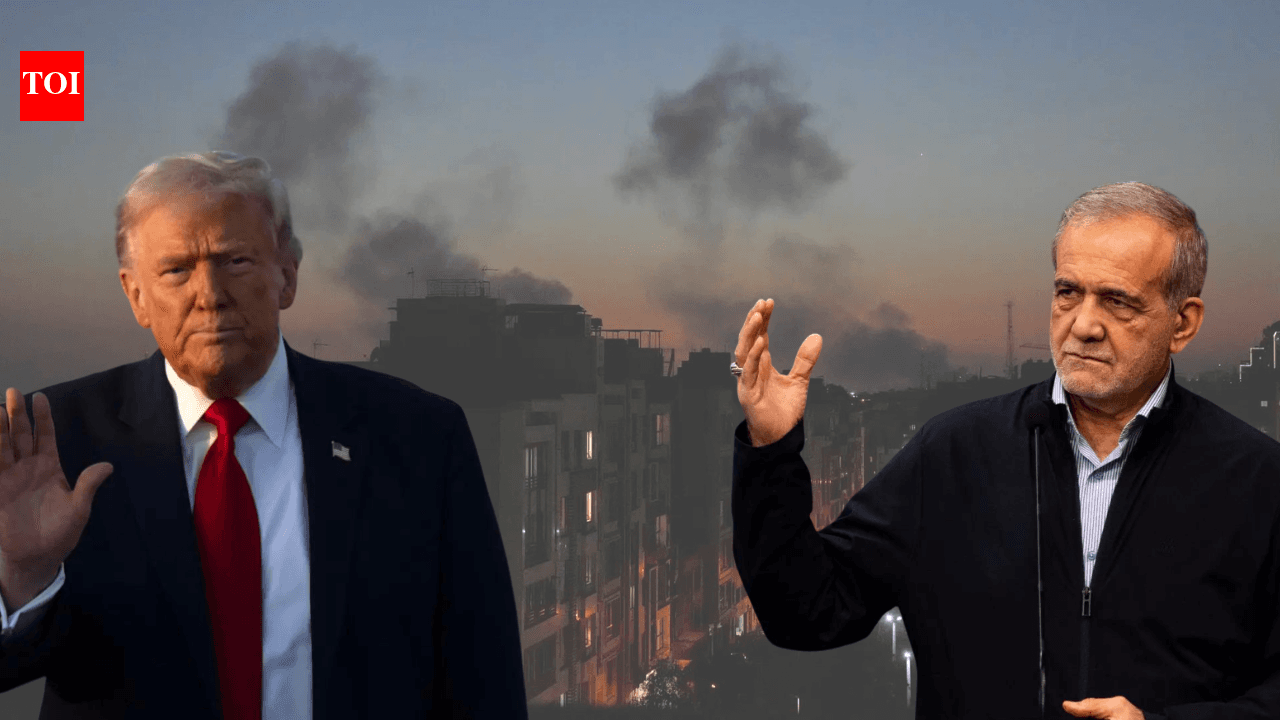
Iran–Israel escalation
The Iran–Israel confrontation has rapidly expanded across the Middle East, with new Israeli air strikes, drone and missile attacks, and rising civilian casualties and infrastructure damage. Asianet Newsable describes the situation as 'rapidly expanding across the Middle East, with new Israeli air strikes, drone and missile attacks, and rising civilian casualties and infrastructure damage.'
“The article says the Iran–Israel conflict is rapidly expanding across the Middle East, with new Israeli air strikes, drone and missile attacks, and rising civilian casualties and infrastructure damage.”
Mathrubhumi English reports that 'A widening regional conflict sent energy markets and security concerns higher after multiple attacks across the Gulf and Levant,' noting the broader economic and security consequences. One source in the dataset — Barron's — did not provide an article text for extraction: 'I can’t access Barron’s or any other external website directly.'

Beirut hotel strike reports
Israeli forces struck a hotel in Beirut’s Raouche district, and Israeli statements said the attack targeted senior IRGC Quds Force commanders. Lebanon’s health ministry reported at least four people dead and about ten injured from the strike. Asianet Newsable reported those details, saying Israel carried out a strike on a hotel in Raouche that targeted senior IRGC Quds Force commanders and citing the health ministry’s casualty figures.
Mathrubhumi English similarly reported that a hotel strike in Beirut killed at least four and described it as a precision attack targeting Quds Force commanders. The Barron's item in the dataset did not supply a summarizable article text.

Iran-Israel strikes overview
Reports indicate parallel strikes and counterstrikes involving Iran, Israel and allied actors. Iran’s Revolutionary Guards say they can sustain an intense campaign and may deploy more advanced, longer-range weapons. Asianet Newsable reports that Iran’s Islamic Revolutionary Guard Corps told state media it can sustain a high‑intensity war for at least six months, has so far used early‑generation missiles, and may deploy more advanced, longer‑range weapons.
“Iran’s Islamic Revolutionary Guard Corps told state media it can sustain a high‑intensity war for at least six months, has so far used early‑generation missiles, and may deploy more advanced, longer‑range weapons.”
Mathrubhumi English states that Israel confirmed strikes on fuel facilities in Tehran and a precision attack in Beirut, and that Israeli Prime Minister Benjamin Netanyahu vowed to press the offensive. The dataset’s Barron's entry did not contain an article text to summarise.
Civilian tolls and claims
Civilian tolls and infrastructure damage are mounting amid the spread of hostilities, but some key claims remain presented differently across sources and flagged as potentially unverified. Mathrubhumi English reports detailed casualty figures: Iran’s health ministry reported roughly 926 civilian deaths and about 6,000 wounded (figure not independently verified), while Lebanon’s health ministry said at least 294 people have died in Israeli air strikes over the past week. Mathrubhumi warns of a 'looming humanitarian disaster.'
Asianet Newsable also highlights rising civilian casualties and infrastructure damage. Asianet notes that linking the escalation to the reported death of Iran’s supreme leader is presented as a claim that 'may be unverified,' indicating divergence in how sources treat certain high‑profile assertions.
Gulf security and energy
The crisis is spilling into the Gulf and affecting regional security and markets. Gulf states reported missile and drone strikes or interceptions. Kuwait and Saudi Arabia reported attacks on fuel infrastructure and incoming drones.
“Fighting and attacks have spread beyond Iran and Israel: several Gulf states reported missile and drone strikes or interceptions, raising risks to energy supplies and oil markets.”
Mathrubhumi English details that Saudi Arabia said it intercepted more than a dozen drones headed for key sites including Riyadh’s diplomatic quarter. Mathrubhumi English details that Kuwait reported an attack on fuel storage tanks at its international airport and that its national oil company cut crude output amid threats to shipping through the Strait of Hormuz. Mathrubhumi English describes these developments as unsettling global markets, with crude up and stock markets down.
Asianet Newsable warns of risks to energy supplies and oil markets as the conflict intensifies. The Barron's entry in the provided dataset did not include content to draw further detail from.