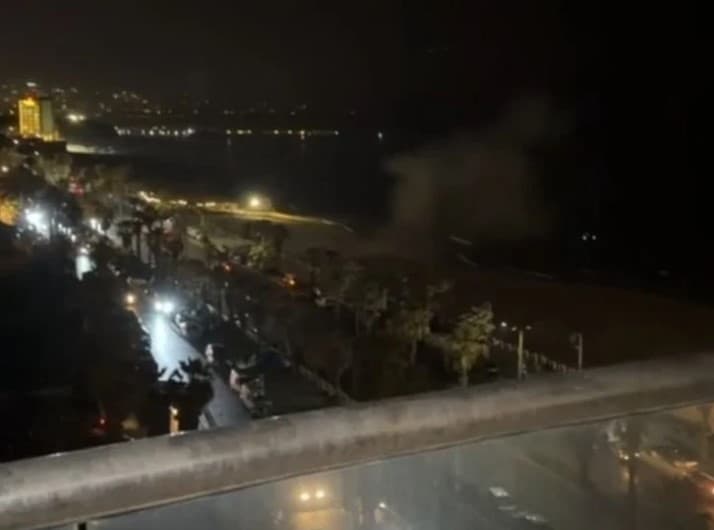
Israel Strikes Densely Populated Areas of Beirut, Causing Numerous Civilian Casualties
Key Takeaways
- Israeli strikes hit densely populated areas of Beirut
- The strikes caused numerous civilian casualties in Beirut
- Spain announced an aid package to support Lebanese civilians
Spain condemns strikes
Spain publicly condemned what it described as intense Israeli strikes on Beirut’s densely populated areas, saying the attacks have caused numerous civilian casualties and risk escalating the conflict further.
“Spain condemns Israeli attacks on densely populated areas in Beirut Madrid announces $10”
The Spanish Foreign Ministry called the evacuation order south of the Zahrani River “completely disproportionate and contrary to international law” and urged respect for Lebanon’s sovereignty, while warning against steps that could intensify the fighting.

Local and regional outlets also reported that Israeli air raids caused civilian injuries and added to the mounting humanitarian crisis in the capital.
Casualty figures reported
Lebanese health authorities reported a heavy toll from the strikes: Lebanon’s Health Minister, Rakan Nasser El Din, said the attacks have killed 687 people, including 98 children, and wounded 1,774 others.
Multiple outlets repeated and amplified these figures, underlining the scale of civilian harm and the particular vulnerability of children.

Regional broadcasters also noted additional civilian injuries from air raids in Beirut’s suburbs and other targeted areas.
Spain offers aid
Madrid paired its condemnation with concrete assistance, announcing a €9 million ($10.3 million) aid package to support Lebanese civilians and the growing refugee crisis.
“The website reported that Israeli warplanes targeted residential apartments in the Aramoun area of Mount Lebanon with three consecutive airstrikes”
The Spanish statement also called for the protection of UN peacekeepers and for all parties to avoid actions that could deepen the humanitarian emergency.
At the same time, Madrid criticised Hezbollah’s strikes on Israeli targets as “indiscriminate,” warning they could spark a wider spiral of violence.
Escalation and timeline
News reports and official statements placed the latest strikes in a broader, escalating sequence of violence: Anadolu reported that on March 2 an “Iran-allied group began attacking Israeli military sites in response to repeated Israeli attacks on Lebanon and the killing of Iran’s then-Supreme Leader Ayatollah Ali Khamenei in a US-Israeli strike,”
and that Israel subsequently launched airstrikes and on March 3 began a limited ground incursion.
Local channels emphasised the civilian impact of Israel’s air raids across southern suburbs of Beirut and other areas.
Humanitarian concerns
Regional reporting and statements show both international concern and contested narratives about responsibility and legality: Spain called Israel’s evacuation order unlawful and disproportionate, warned against further escalation, and urged all parties to respect Lebanon’s territorial integrity,
“In a message of solidarity with the people of Lebanon, who have come under fire from Israel, the Government of Spain condemned Tel Aviv’s "intense" daily attacks against the country, especially in densely populated areas of Beirut, the capital”
while regional outlets documented civilian injuries and amplified Lebanon’s official casualty toll.
The different sources together underscore a widening humanitarian emergency, even as details around specific incidents continue to be reported and updated by local media and officials.
More on Lebanon

Hezbollah Fires 200 Rockets at Israel From Lebanon
17 sources compared
Israel Pounds Tehran With Airstrikes
12 sources compared

Israel Bombs Central Beirut, Targeting Hezbollah Infrastructure
14 sources compared

Unidentified Attacker Plants Explosive at U.S. Embassy Entrance in Oslo; Oslo Police Investigate Possible Terrorism
12 sources compared