
Israel Strikes Kfar Dounin, Kills Two Ahead of Truce Monitors' Meeting
Key Takeaways
- Israeli strike on Kfar Dounin killed two people.
- Israel said the strike targeted Hezbollah operatives.
- Attack occurred a day before the truce-monitoring committee's meeting on the yearlong ceasefire.
Strikes in southern Lebanon
Israeli strikes on Tuesday hit Kfar Dounin in southern Lebanon, killing two people, the Lebanese health ministry said.
“Representatives from France, Israel, Lebanon, the US and UN tracking the ceasefire are due to meet amid Israeli attacks”
The Israeli military said it struck two alleged Hezbollah operatives, calling one an 'engineering terrorist'.

It said its recent strikes in southern and eastern Lebanon targeted Hezbollah and sometimes Hamas infrastructure, including weapons storage and underground military sites.
The strikes came a day before a scheduled meeting of the multinational committee that monitors the November 2024 ceasefire and occurred despite that truce intended to end more than a year of hostilities.
Reports said the attacks also included a separate strike that damaged a building in Ghazieh near Sidon, starting a fire or reducing a multistorey building to rubble.
Reactions to strikes
Officials and leaders condemned the strikes, with Lebanon’s president denouncing the attacks as aimed at undermining diplomatic efforts.
Naharnet reported President Joseph Aoun’s condemnation, saying the attacks were intended to derail local, regional and international efforts to curb escalation.
Al Jazeera quoted Lebanese President Michel Aoun as saying the strikes undermined diplomatic efforts.
The Israeli military said the operation targeted militant infrastructure, including weapons storage and underground military sites.
Coverage of Lebanon strikes
Al Jazeera’s reporting frames the incident as part of a broader pattern.
“Representatives from France, Israel, Lebanon, the US and UN tracking the ceasefire are due to meet amid Israeli attacks”
It says that since the November 2024 ceasefire, Israeli attacks have killed more than 300 people in Lebanon, including at least 127 civilians, forced evacuations of several villages, and caused serious damage to buildings near Sidon.
It also reports UN concern about strikes continuing close to UNIFIL positions along the Blue Line and quotes the UN's Jean‑Pierre Lacroix saying peacekeepers operate under increasingly difficult and dangerous conditions.
Naharnet notes the strikes despite the ceasefire but does not provide the wider casualty totals or the UN's field observations that Al Jazeera includes.
Coverage of Israeli strikes
Both sources attribute the Israeli account to military statements.
They report Israel saying it targeted Hezbollah operatives and infrastructure, sometimes also naming Hamas as an occasional target.
Naharnet describes one struck individual as an "engineering terrorist" involved in rebuilding efforts.
Al Jazeera echoes that phrasing and places it alongside reporting on evacuations and damage in southern Lebanon.
Both pieces present the Israeli claim and the Lebanese health ministry’s casualty report without independent verification in the snippets provided.
Strike reporting comparison
Reporting shows a consistent immediate fact pattern: strikes that killed two people, Israeli military claims of targeting Hezbollah operatives, Lebanese presidential condemnation, and timing shortly before a truce-monitor meeting.
“Representatives from France, Israel, Lebanon, the US and UN tracking the ceasefire are due to meet amid Israeli attacks”
The sources differ in emphasis and additional context.
Al Jazeera situates the strike within a wider pattern of post-ceasefire violence and highlights UN concern.
Naharnet focuses tightly on the local strike details and official reactions.
Sources diverge or omit details, for example casualty totals, UN field reports, and a discrepancy in the president's name.
These snippets indicate reporting differences rather than contradictory claims about the basic strike incident itself.
More on Lebanon
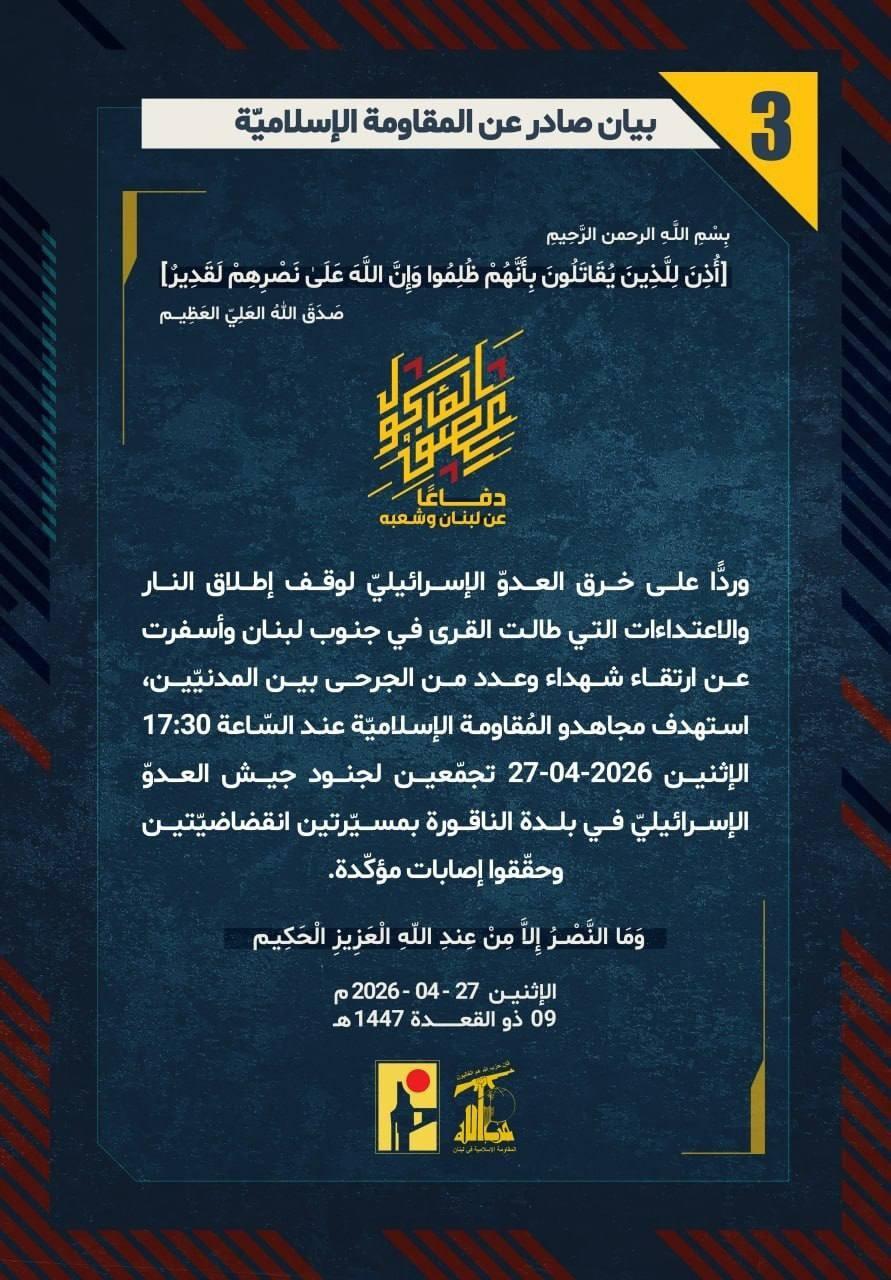
Hezbollah Targets Israeli Soldiers in Naqoura With Attack Drones in Two Waves
15 sources compared

US Sanctions Nine Lebanese Officials, Including Hezbollah MPs, Over Undermining Lebanon’s Sovereignty
42 sources compared
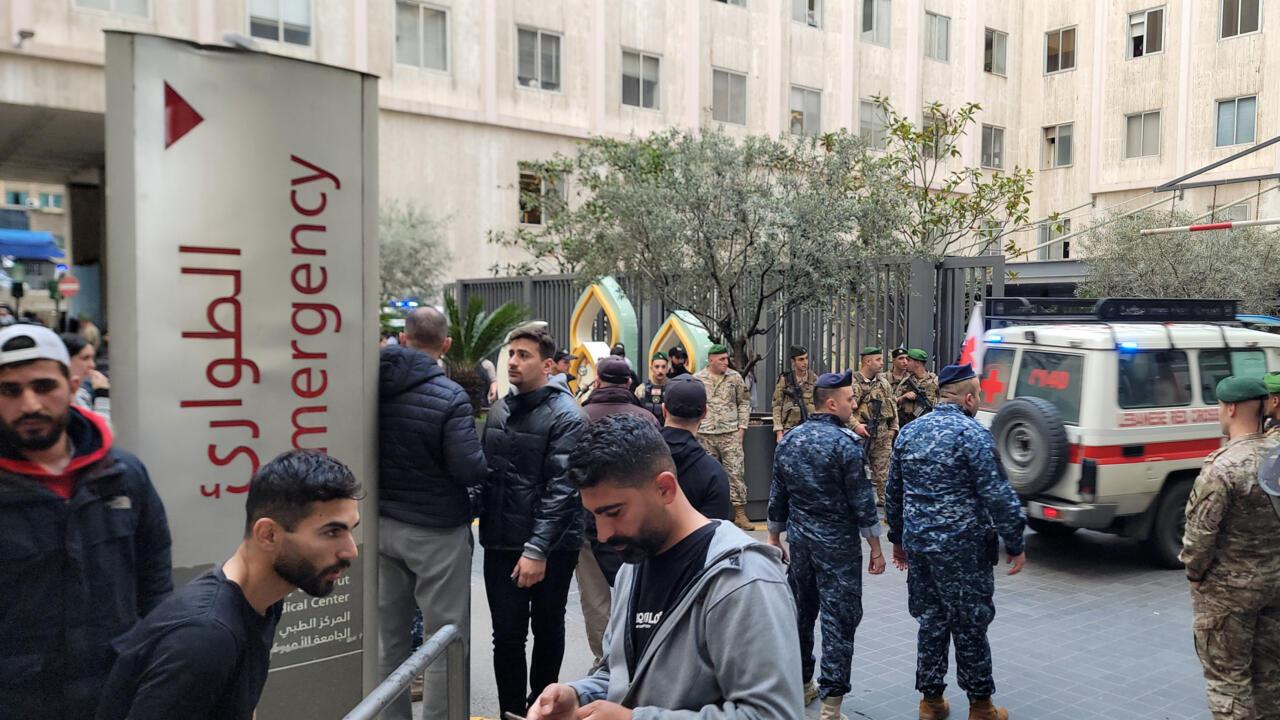
Israel Kills More Than 350 in Beirut Airstrikes After U.S.-Iran Ceasefire
11 sources compared
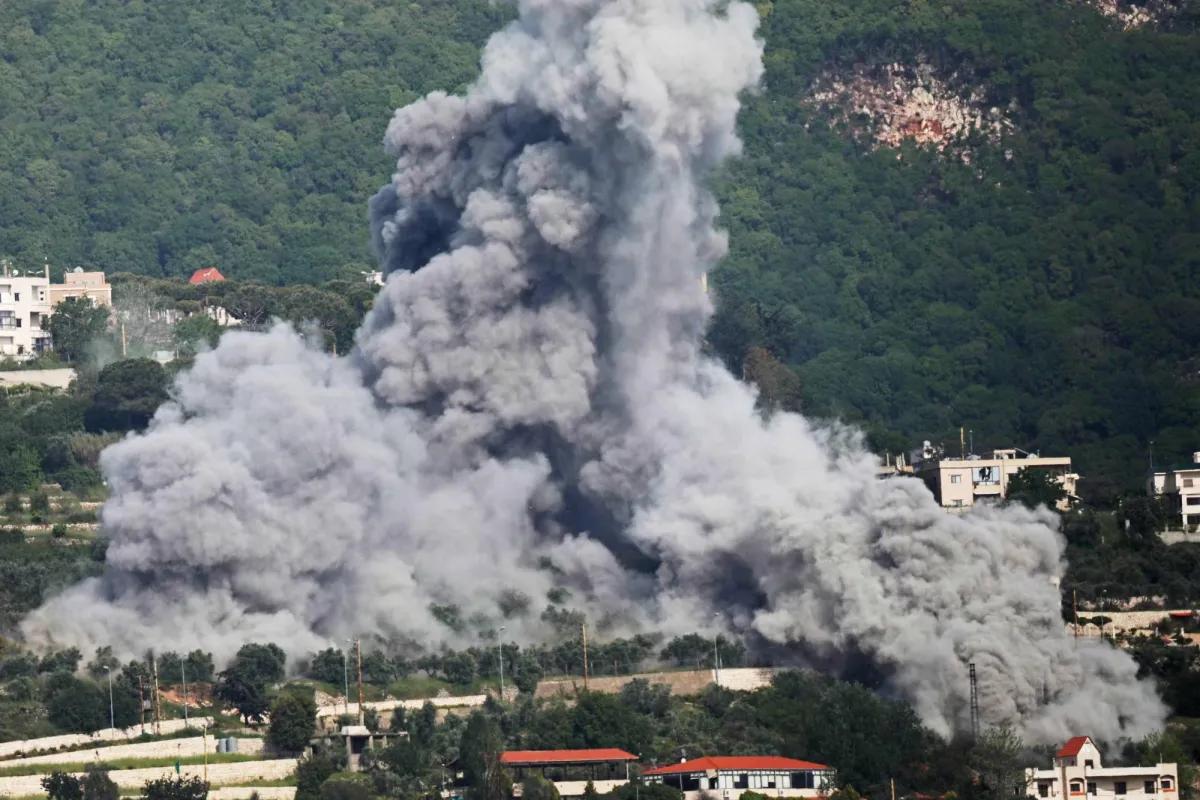
Israel Says Reserve Captain Itamar Saber Killed In Clash With Hezbollah South Of Lebanon
12 sources compared