
US Sanctions Nine Lebanese Officials, Including Hezbollah MPs, Over Undermining Lebanon’s Sovereignty
Key Takeaways
- US Treasury designated nine Lebanon-linked figures tied to Hezbollah, including MPs and security officials.
- Sanctions accuse them of obstructing Lebanon's peace process and Hezbollah disarmament.
- Also target Iran's ambassador to Lebanon, among others, for Hezbollah alignment.
US sanctions hit Hezbollah links
The United States imposed sanctions on nine people it accused of enabling Hezbollah to “undermine Lebanon’s sovereignty,” including members of Lebanon’s parliament, an Iranian diplomat, and Lebanese security officials in governmental institutions.
In the US Treasury Department’s account, the designations were made “for obstructing the peace process in Lebanon and impeding the disarmament” of Hezbollah, while the State Department said some sanctioned figures “abused” their roles.

The sanctions list included Hezbollah members Mohamed Abdel-Mottaleb Fanich and Nizammeddine Fadlallah, along with longtime officials Ibrahim al-Moussawi and Hussein Al-Hajj Hassan, according to the US Treasury.
The Treasury also targeted Iranian ambassador-designate to Lebanon Mohammad Reza Sheibani and two security officials with the Hezbollah-allied Amal Movement, Ahmad Asaad Baalbaki and Ali Ahmad Safawi.
The package further named two security officials—Samir Hamadi, a branch chief with the Lebanese Armed Forces, and Khattar Nasser Eldin, a top official with the General Directorate for General Security—for allegedly sharing “important intelligence” with Hezbollah over the past year.
Hezbollah rejects, US warns
Hezbollah responded to the sanctions by saying they were an “attempt to intimidate the free Lebanese people” and would have “absolutely no practical effect on our strategic choices”.
In Washington’s framing, State Department spokesperson Tommy Pigott told Al Jazeera that “if you’re in politics, business, or the security services – and you have been aiding Hezbollah and undermining the sovereignty of the Lebanese government – to think twice; there will be real consequences,”.

The US also tied the sanctions to a broader push on disarmament, with the State Department asserting that Hezbollah’s refusal to disarm prevents the Government of Lebanon from delivering “peace, stability, and prosperity”.
The Jerusalem Post reported that the US State Department said the sanctioned individuals impeded moves to disarm Hezbollah and included members of the Lebanese parliament and Lebanese security officials who “abused their roles to benefit a terrorist organization.”
The National described the move as the first time the US imposed sanctions on current Lebanese state security officials, while also quoting the Treasury Department’s claim that Hezbollah-aligned officials were embedded across Lebanon’s parliament, military, and security sectors.
Talks at Pentagon, pressure grows
The sanctions arrived as the US brokered peace talks between Israel and the Lebanese government, with political negotiations expected to resume on June 2 and 3 and security-focused talks scheduled for May 29 at the Pentagon between Israeli and Lebanese military representatives.
Al Jazeera’s Manuel Rapalo, reporting from Washington, DC, said the sanctions were “part of a step-up” by the White House “to crack down on individuals they say are standing in the way of the disarmament of Hezbollah – that being one of the sticking points in the talks”.
Lebanon’s Ministry of Public Health said Israeli attacks have killed at least 3,089 people and wounded at least 9,397 since March 2, when Israel resumed its war on the country.
In response to the sanctions, Lebanon’s army confirmed its “military delegation that will participate in the negotiations at the Pentagon” and said it is “committed to national principles and the army’s doctrine”.
Naharnet reported that more Lebanese individuals could face US sanctions, citing information from Al-Arabiya that U.S. intelligence agencies possess a list of “dozens of Lebanese Army officers proven to have collaborated with Hezbollah and leaked information to them.”
More on Lebanon
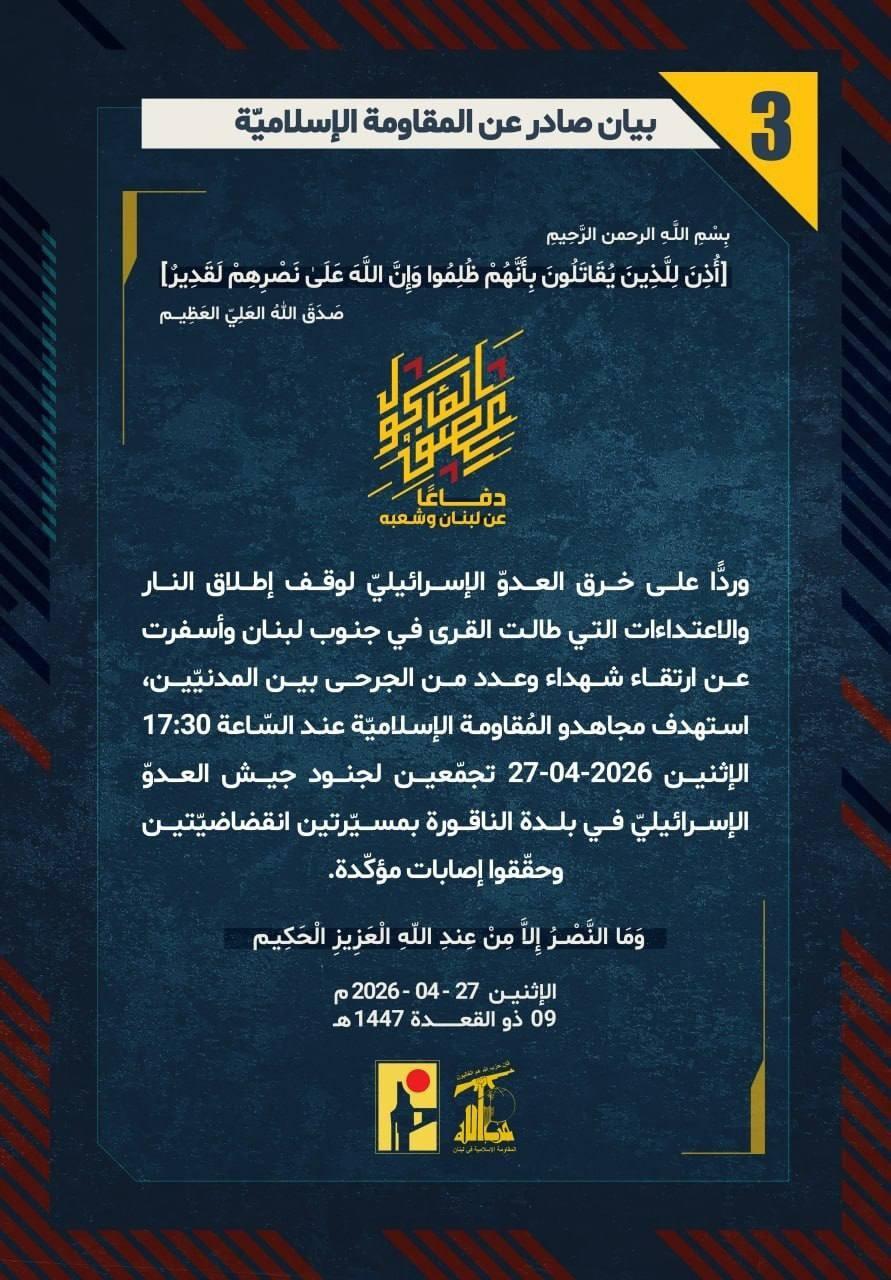
Hezbollah Targets Israeli Soldiers in Naqoura With Attack Drones in Two Waves
15 sources compared
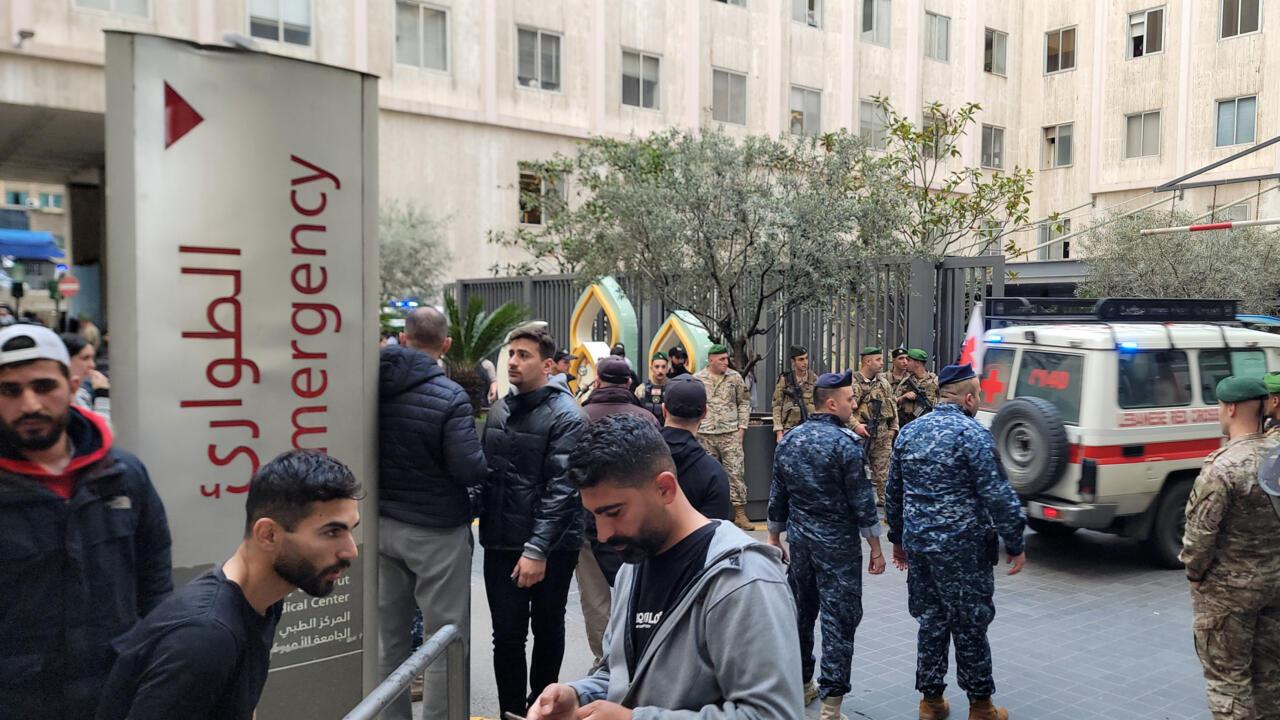
Israel Kills More Than 350 in Beirut Airstrikes After U.S.-Iran Ceasefire
11 sources compared
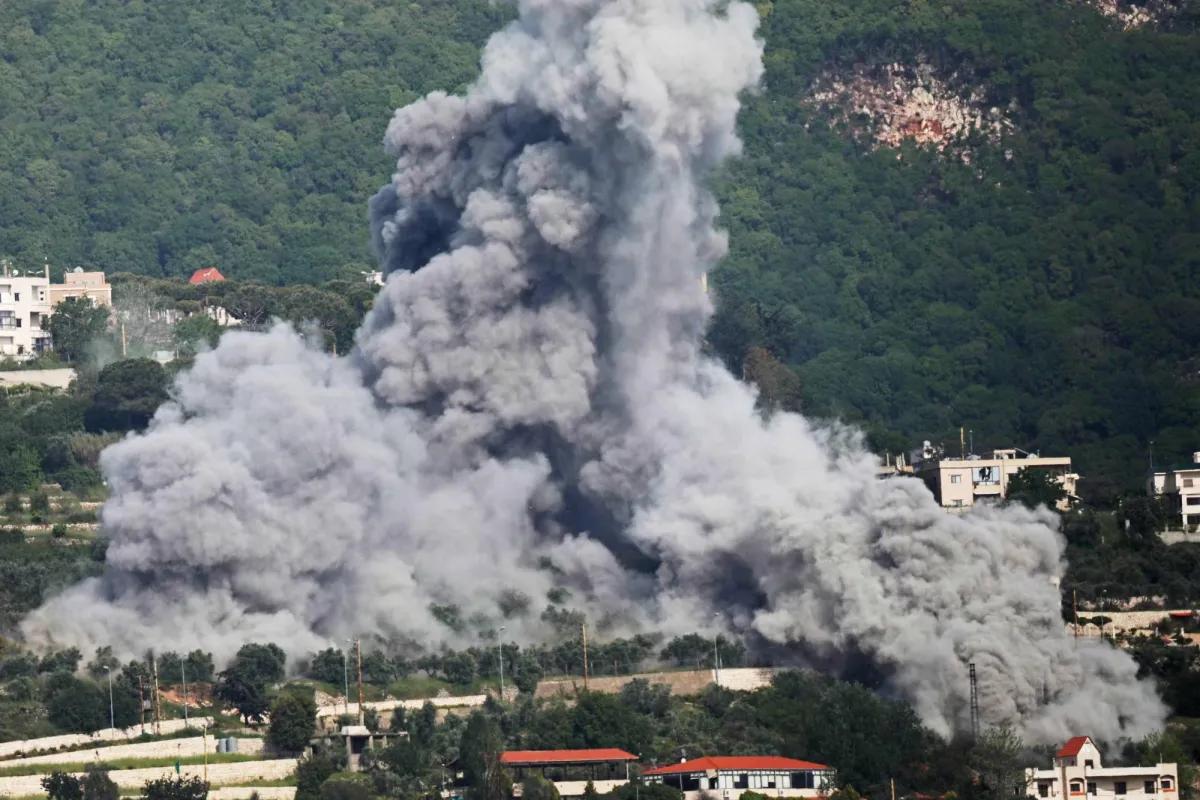
Israel Says Reserve Captain Itamar Saber Killed In Clash With Hezbollah South Of Lebanon
12 sources compared
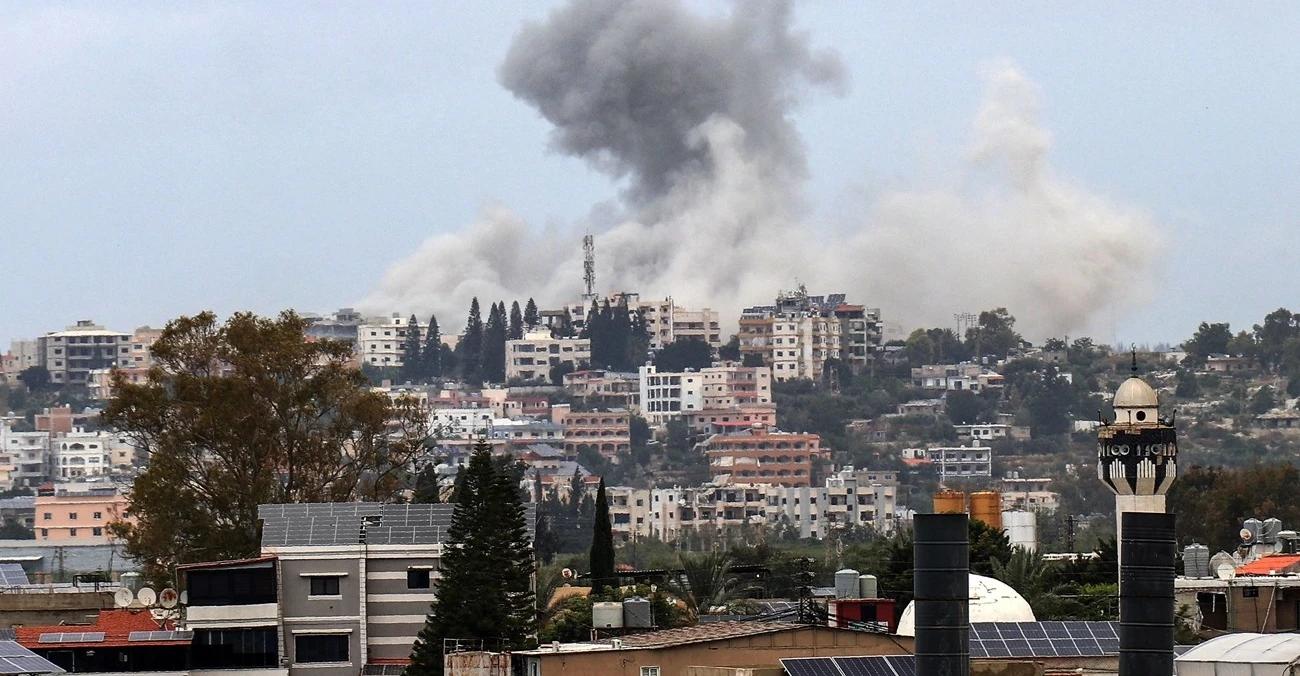
Israeli Airstrikes Kill 10 in Southern Lebanon, Including Six Paramedics and a Syrian Girl
31 sources compared