Israel Strikes Hezbollah-Controlled Gas Stations in Lebanon
Key Takeaways
- Israeli strike knocked out southern Lebanon power infrastructure.
- Power transmission station in the Bint Jbeil district went offline.
- Outage affected Bint Jbeil district and Tyre district regions.
Gas Station Strikes
According to Israel's military statement, the overnight strikes targeted five gas stations operated by the Al-Amana Fuel Company in southern Lebanon.
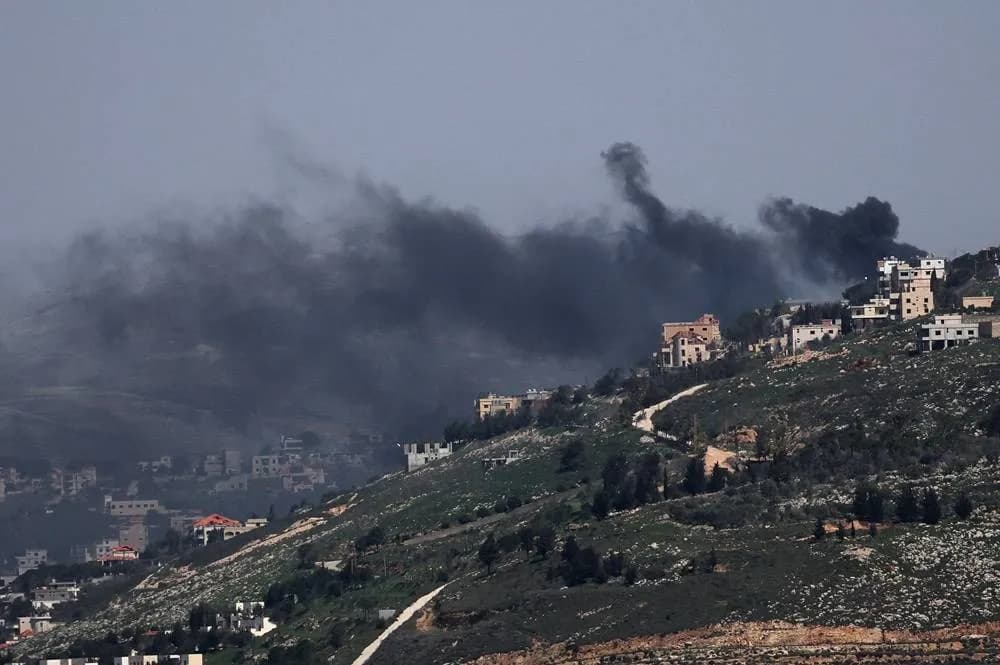
The military asserts that Al-Amana Fuel Company is controlled by Hezbollah and generates millions of dollars in profits.
These strikes represent an escalation in Israel's targeting of Hezbollah's economic infrastructure.
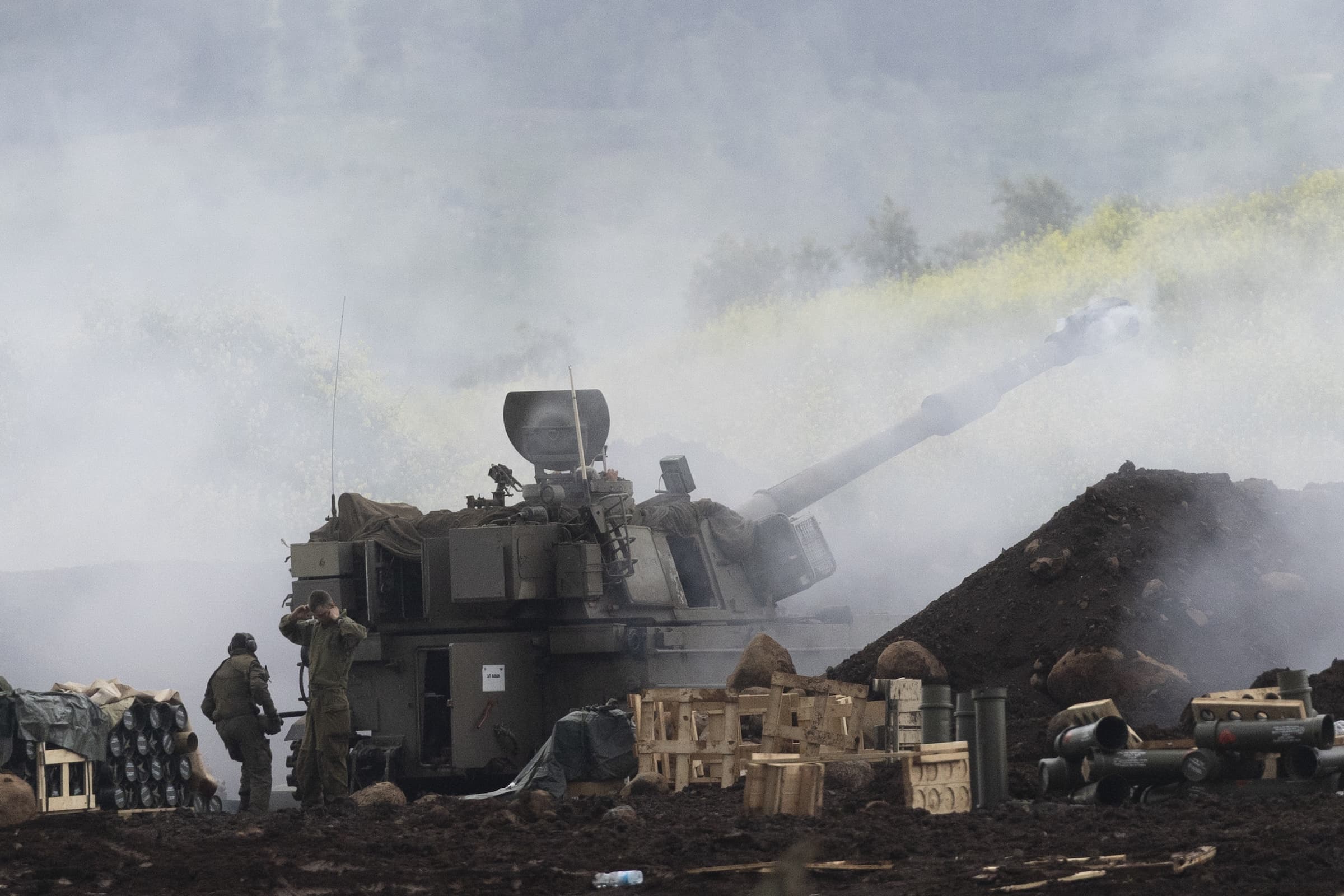
The operations coincide with broader Israeli military advances into Lebanese territory from multiple directions.
Military Strategy
The strikes on gas stations are part of Israel's broader strategy to degrade Hezbollah's economic and military capabilities.
Israeli Defense Minister Israel Katz explicitly warned that Lebanon would 'pay an increasing price in damage to Lebanese national infrastructure' as the conflict continues.
Israel claims that Hezbollah uses state facilities and economic infrastructure to support its military operations.
The military asserts that the Al-Amana Fuel Company constitutes 'fundamental economic infrastructure' that generates 'millions of dollars of profits' for Hezbollah.
This approach represents a shift in Israel's targeting strategy, moving beyond purely military objectives to economic infrastructure.
Infrastructure Damage
Beyond the gas station strikes, Israeli military operations have caused significant damage to Lebanon's civilian infrastructure.
“Skip to main content Latest News Israeli Army Advances into Lebanon on Four Axes ‘Ending Soon’: Netanyahu Shifts Iran War Goals 'Resistance' Axis without Voice as It Loses Narrative, Psychological Warfare Architects Israel Says Hit Hezbollah-controlled Gas Stations in Lebanon https://english”
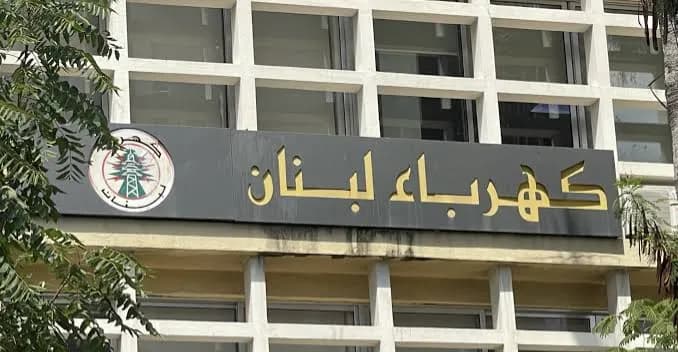
Lebanon's Ministry of Energy reported that a power transmission station in the Bint Jbeil district in southern Lebanon went completely out of service following an Israeli strike.
Electricite du Liban confirmed that an Israeli attack knocked out a 'main transfer station' servicing southern Lebanon.
The utility company noted that the damage imposed 'high financial costs' as well as logistical and security challenges in restoring services.
Additionally, Israeli airstrikes destroyed several bridges linking the northern and southern banks of the Litani River in southern Lebanon.
Humanitarian Impact
The escalating conflict has resulted in significant humanitarian consequences.
According to Lebanon's Health Ministry, Israeli attacks in Lebanon since hostilities resumed on March 2 have killed more than 1,000 people, including over 100 children.

More than 800,000 residents have been displaced from their homes.
Israel's Health Ministry reported 3,924 people injured since the start of the war with Iran on February 28.
The extensive displacement and infrastructure damage have created severe humanitarian challenges in southern Lebanon.
More on Lebanon

Israel Attacks Lebanon as Missile Lands Near RT Reporter
31 sources compared

Israel Attacks Beirut, Building Flattened; Death Toll Rises
10 sources compared
Israel Attacks Hezbollah Infrastructure in Beirut, Forcing Over 1 Million Lebanese to Flee
12 sources compared
Israel Launches Ground Operation in Southern Lebanon to Target Hezbollah
10 sources compared