Israel Strikes Lebanon as Iran Targets Gulf Neighbors and American Bases Under Donald Trump
Key Takeaways
- Israel strikes in Lebanon imperil the fragile ceasefire.
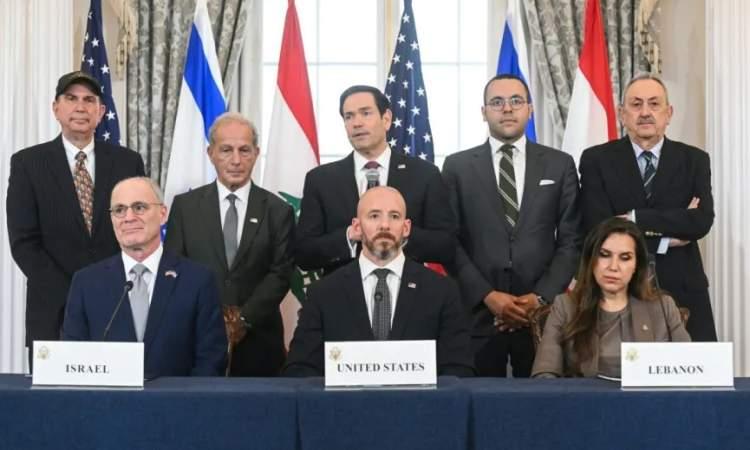
- The United States hosts talks between Israel and Lebanon amid the Iran ceasefire.
- Trump weighs a limited strike on Iran amid accusations of violating the ceasefire framework.
Lebanon in the wider crisis
Lebanon is being pulled into a broader regional spiral as Israel strikes Lebanon and regional actors weigh how far the conflict could spread.
Le Figaro says, “Israel also struck Lebanon this morning,” and adds that Lebanon’s response came “through its prime minister that it will not accept being drawn into the conflict.”

The same report frames the escalation as part of a cycle in which Iran “vowed to respond ‘firmly’ and attacked en masse its Gulf neighbors and numerous American military bases scattered across the region.”
It also lists Iranian missile activity “toward Israel, Saudi Arabia, Qatar, Bahrain, Kuwait and Jordan,” while noting that “Several deaths have already been reported in the United Arab Emirates and in Iraq.”
In parallel, the West Asian analysis in الجزيرة نت describes European–American relations as entering “an unprecedented phase of tension” under U.S. President Donald Trump, linking the wider Iran war to coordination problems among allies.
The Lebanese dimension is therefore presented not as an isolated track, but as a node in a chain that includes Gulf security, European diplomacy, and U.S. pressure.
Diplomacy, talks, and opportunity
While the regional battlefield expands, L’Orient Today’s commentary argues that leaders have taken a different step by agreeing to talk, positioning Lebanon and Israel’s relationship as a central diplomatic question.
The piece says, “Against the backdrop of renewed war, invasion, and occupation,” Lebanese leaders and Israeli counterparts “have nonetheless taken an important step: They have agreed to talk.”
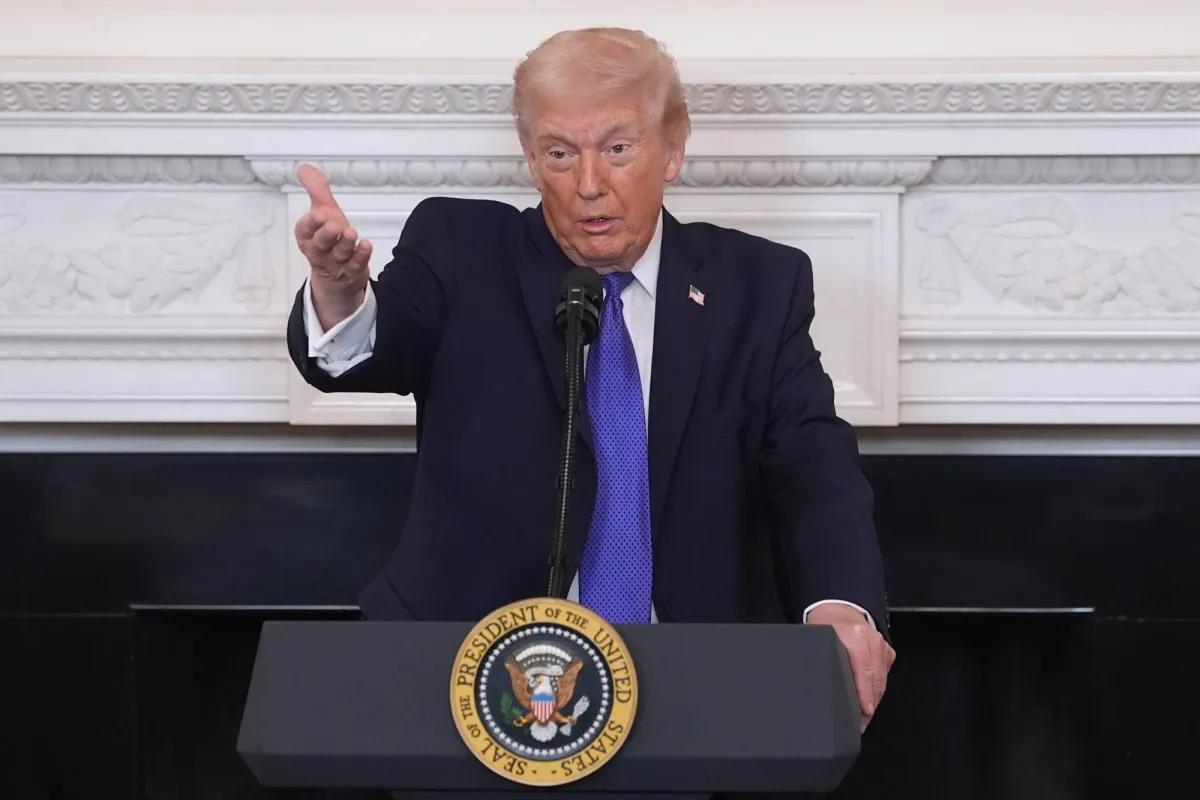
It specifies that the talks are “Engaging in their first open, direct talks since the 1980s,” and frames the next requirement as moving from agreement to substance.
The commentary also calls for U.S. officials to “reset their policy to help them do so,” tying Lebanon’s diplomatic trajectory to Washington’s approach.
It criticizes what it describes as a pattern of “disjointed policies, scribbled parchment guarantees, and established inadequate mechanisms to put principles into practice.”
The author, Anthony Elghossain, is identified as “a lawyer and writer,” and the article says he “advises organizations on geopolitics, U.S. foreign policy and the rule of law.”
The commentary’s framing therefore places Lebanon’s immediate stakes in whether direct talks can translate into “meaningful” outcomes, rather than remaining a symbolic step.
Europe, Washington, and the Iran war
The analysis in الجزيرة نت connects the Lebanon-centered escalation to a broader rupture in European–American relations, describing the Iran war as exposing “the fragility of coordination among allies.”
It says that under U.S. President Donald Trump, Europe–United States relations are in “an unprecedented phase of tension,” and that “the Iran war” deepened “the trust gap within the Western camp.”
The article describes “a new current” forming among “European elites,” calling for “reevaluating the nature of the relationship with Washington” and even “freeing themselves from it in some proposals.”
It highlights Pierre Haski’s critique in Le Nouvel Observateur, arguing that “the problem lies not only in Trump's conduct but in the hesitant European response.”
The article says Haski argues European silence “effectively becomes implicit acceptance of policies he describes as deviant,” and adds that he goes “so far as to say Trump is closer to someone being groomed for despotism.”
The same analysis says Washington “did not consult its allies before starting the war,” then “returned to seek their support when difficulties arose,” and “attacked them when they hesitated to engage.”
In this framing, Lebanon’s immediate security situation is inseparable from how European governments decide whether to align, resist, or recalibrate their relationship with Washington during the Iran war.
Gulf fears and regional spillover
Le Figaro portrays Gulf states as fearing that the Iran–Israel confrontation could become regional, explicitly tying that risk to Lebanon’s place in the escalation.
It says Iran “vowed to respond ‘firmly’” after being struck by “the United States and Israel,” and then “attacked en masse its Gulf neighbors and numerous American military bases scattered across the region.”

The report lists Iranian missile activity “toward Israel, Saudi Arabia, Qatar, Bahrain, Kuwait and Jordan,” and notes that “Several deaths have already been reported in the United Arab Emirates and in Iraq.”
It also quotes a “diplomatic source from a country bordering Iran to AFP” who predicted that “Iran would retaliate and the crisis would spread across the region, with the blockage of the Strait of Hormuz and proxy actions, even if weakened.”
The same report warns that undermining Iran could “risk waking other conflicts” that it might reactivate through “the armed groups it supports in the region, including the Houthis in Yemen and Hezbollah in Lebanon.”
It further describes oil and migration risks, saying the chaos could affect “Turkey and the European Union with a possible massive influx of refugees,” and it adds that “Migration risks and the rekindling of conflicts” are part of the concern.
By naming Hezbollah in Lebanon and listing multiple Gulf states, the report makes Lebanon’s conflict status part of a wider regional risk assessment.
Oil disruptions and economic stakes
The economic stakes for Lebanon are presented indirectly through a broader warning about oil disruptions, which a source says could worsen crises across Europe and America.
In جريدة الدستور, Dr. Mamdouh Salama, a “global oil and energy expert based in London,” says that “oil is the backbone of the global economy” and that “any rise in oil or energy prices directly affects various aspects of the global economy without exception.”

He explains that higher energy prices raise “costs of industrial and food production,” increase “transportation and shipping costs,” and “impose heavy financial burdens on the global economy and limit growth opportunities.”
The article says the European Union was “already suffering from high energy costs even before the latest crisis erupted,” and it adds that “some major companies, especially in Germany, to move their investments to other countries with lower energy costs,” which “negatively affected European economic growth.”
Salama warns that the crisis “related to the Strait of Hormuz and regional tensions” adds new burdens because the EU relies on “energy imports,” and he says escalation “especially if extended to the Bab el-Mandeb Strait” would “further worsen the economic situation.”
He also frames the “American blockade imposed in the region” as “amounts to closing the Strait of Hormuz,” and says the United States could be “among the biggest losers” because of reliance on importing “up to about 8 million barrels per day.”
The article adds that “any new military escalation could push Iran, in cooperation with regional actors, to disrupt navigation in the Strait of Hormuz or Bab el-Mandeb,” which would cause “a sharp rise in global oil prices” affecting “the United States, Europe, and other countries around the world.”
More on Lebanon
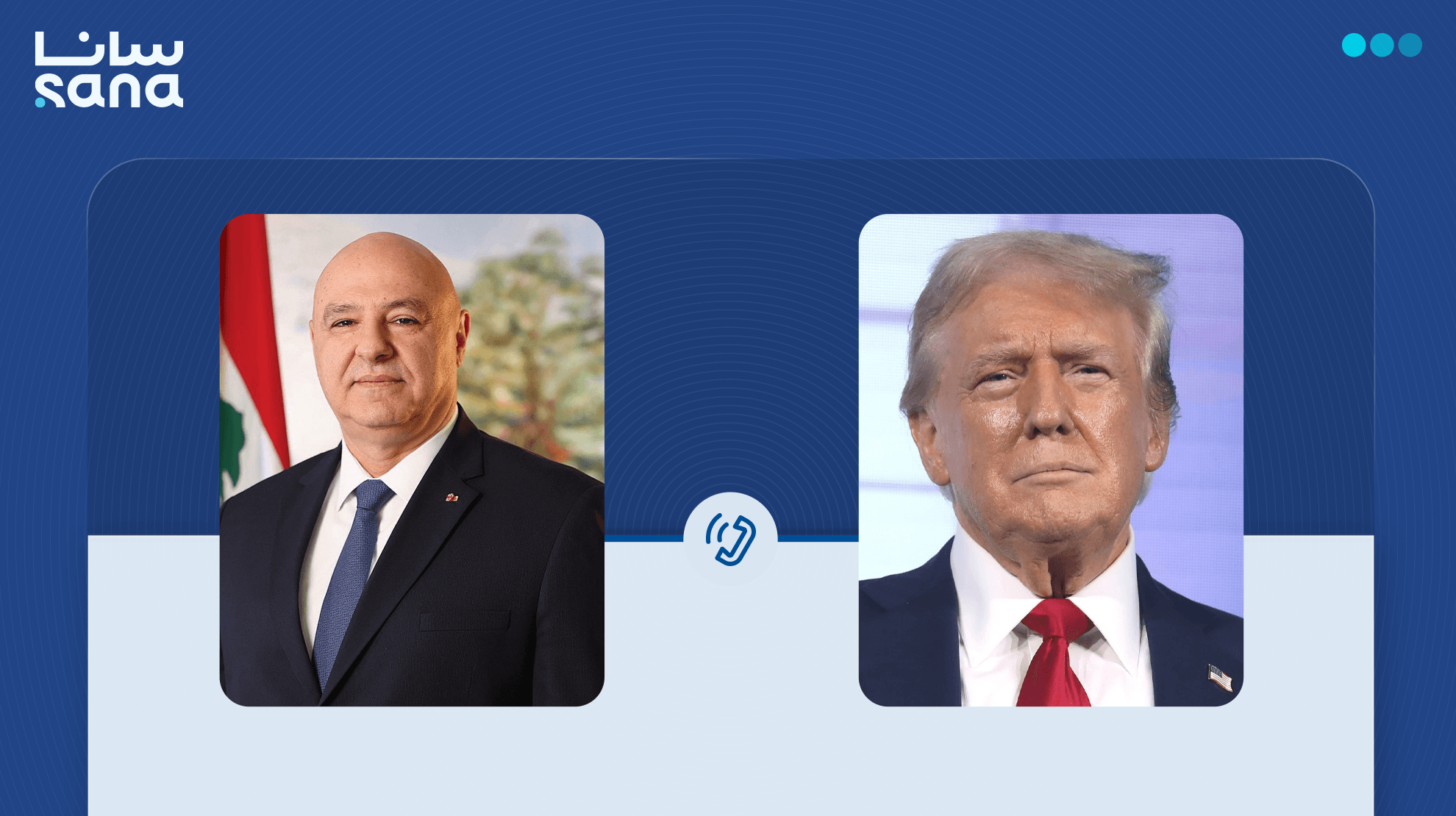
Joseph Aoun Tells Rodolphe Haykal Lebanon Army Role After U.S.-Israel Framework Agreement
10 sources compared
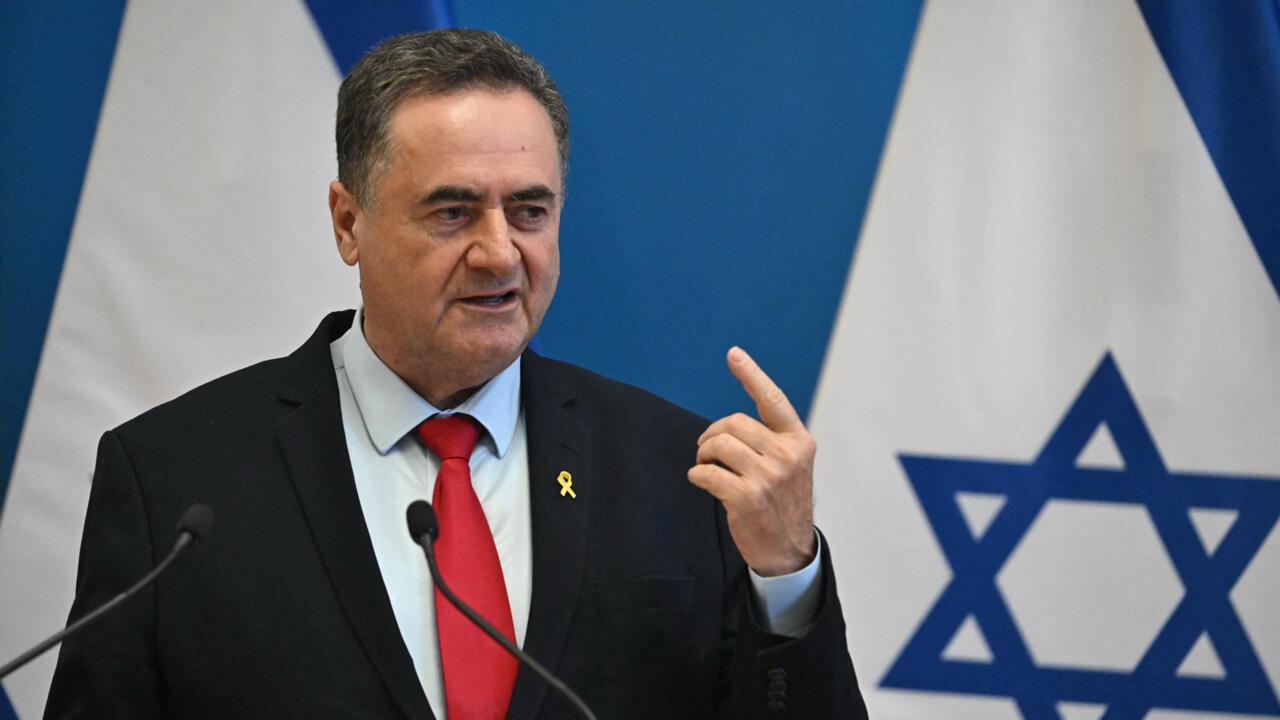
US Oversees Israel’s Phased Withdrawal From Lebanon Pilot Zone Ahead of Rome Talks
15 sources compared
Hezbollah Rejects Israel-Lebanon Framework Agreement After Washington Talks With Marco Rubio
11 sources compared

Sheikh Naim Qassem Says Lebanon Framework Agreement Transfers Sovereignty From Zionist Regime
33 sources compared