
Israel Strikes South Lebanon After Ceasefire, Lebanon Army Warns Residents Against Returning
Key Takeaways
- Israeli airstrikes continued in south Lebanon after the ceasefire.
- Casualties reported across Nabatieh and surrounding areas.
- Residents began returning to Nabatieh to inspect damage.
Ceasefire, then returns
Some south Lebanon residents began trickling back to their hometowns on Sunday after fighting paused between Israel and Hezbollah the previous evening, even as Lebanon's army warned locals to delay returns.
In the southern city of Nabatieh, AFP correspondents saw just a few residents returning to inspect homes and businesses, where Mohammad Salloum said, "Nabatieh is disaster-stricken."

Lebanon's army emphasized "the need for residents to delay their return to southern border villages and towns" and to comply with army instructions "to preserve their safety from the danger of Israeli violations and attacks".
Lebanese authorities said Israeli strikes on the country's south and east on Saturday killed at least 30 people before fighting paused in the evening, and the latest Israel-Hezbollah ceasefire was announced on Friday.
In parallel, Israel's Defense Minister Israel Katz said Israeli forces had standing orders to act against any threat inside Lebanon, insisting troops would remain in a so-called security zone inside Lebanese territory.
Strikes continue, blame traded
Despite the ceasefire announced on Friday, Israel carried out a wave of strikes in southern and eastern Lebanon overnight and into Saturday afternoon, saying it targeted Hezbollah after the Iran-backed group attacked troops in violation of a day-old ceasefire.
Lebanese media and first responders reported at least 27 people killed and 26 wounded in the strikes, while the IDF said it was "committed to the ceasefire agreement in accordance with the directives of the political echelon."

A senior Israeli official later said Netanyahu instructed the IDF to "hold its fire" in Lebanon following coordination between the political echelon and the United States, and that Netanyahu stressed Israel would remain in southern Lebanon "for as long as necessary to defend its northern border."
Hezbollah claimed it had "adhered to the ceasefire" since Friday afternoon, but attacked Israeli forces attempting to advance in south Lebanon overnight, and Ambassador to the US Yechiel Leiter wrote on X, "Hezbollah broke the ceasefire, not Israel."
Diplomacy at risk
The fighting and the continuing strikes in Lebanon threatened to derail wider diplomacy, with the Guardian reporting that Iran said it was closing the strait of Hormuz after waves of Israeli strikes in Lebanon.
The Islamic Revolutionary Guard Corps warned ships not to approach the strategic waterway, and the Guardian said the move threatened to derail the fragile interim peace deal with the US, signed just days ago.
In Washington, the US vice-president JD Vance landed in Switzerland on Sunday to take part in the negotiations, and the Guardian quoted Vance saying, "I think we’re going to hopefully make progress on the nuclear issue, make progress on the Lebanon ceasefire issue."
The BBC reported that Israel and Hezbollah continued strikes despite the ceasefire agreement, with local officials saying 16 people were killed in the Nabatieh district and seven in neighbouring Saida after Israeli warplanes, drones, and artillery targeted several areas.
The BBC also recorded that the Israeli military said it had struck "dozens" of Hezbollah targets after the group fired over 50 projectiles at Israeli forces in the region, while Hezbollah accused Israel of repeatedly violating the ceasefire and said the group has the right to "defend their land and sovereignty".
More on Lebanon

Israeli Strike Kills Lebanese Marine Ecologist Mona Khalil Near Tyre
12 sources compared
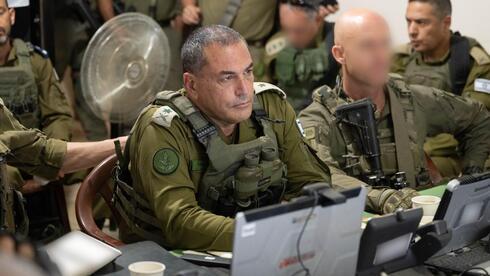
Israeli Air Raids Kill Dozens In Nabatieh And Saida After Ceasefire
14 sources compared

Iran Shuts Strait of Hormuz Over Israeli Strikes in Lebanon as U.S. Says Traffic Continues
10 sources compared

Iran Closes Strait of Hormuz After Israeli Strikes on Lebanon Ahead of U.S.-Iran Talks in Switzerland
12 sources compared