Israel Strikes Syrian Army Headquarters in Damascus

Israel Strikes Syrian Army Headquarters in Damascus

16 July, 202515 sources compared
Syria

Key Points from 15 News Sources

  1. 1

    Strikes hit Syria's Defence Ministry and military headquarters near the presidential palace in Damascus.

  2. 2

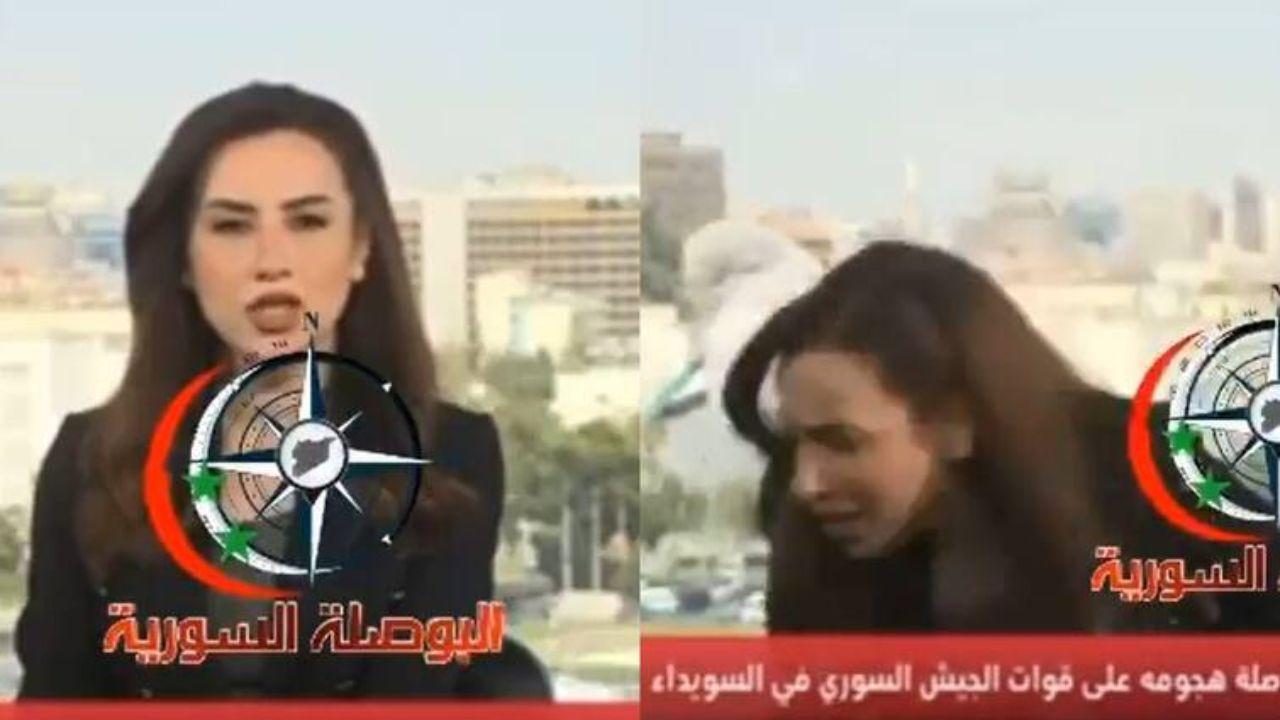
    A live Syrian TV broadcast captured explosions as a news anchor fled the studio mid-bulletin.

  3. 3

    Strikes followed escalating sectarian violence in Suwayda, with Israel citing protection of the Druze.

Full Analysis Summary

Damascus strikes and TV panic

On July 16, 2025, Israeli forces carried out air and drone strikes on central Damascus, striking the Syrian military headquarters and nearby targets.

The strikes prompted dramatic scenes on live television as a presenter abandoned her bulletin and fled the studio.

News18 reported Israeli Defence Minister Israel Katz posted a video of the strikes showing an anchor forced to abandon her bulletin and run from the studio, while NDTV published footage of anchors and reporters reacting in panic and running for safety as deafening explosions erupted.

Al Jazeera said the strikes hit the Syrian military headquarters and cited Syrian state media reporting casualties, and Deadline noted Syria TV posted a clip of presenter Dima Abodan fleeing a live broadcast.

Coverage Differences

Reporting details and source of the broadcast footage

Some outlets emphasise the live-broadcast panic and identify the clip as coming from Syria’s state broadcaster, while others (including Israel-based ILTV, as reported by News18) say the anchor was reacting to strikes on defence ministry and army headquarters rather than the broadcaster itself. The variation reflects differences between what was shown on social media/state TV and how outlets interpreted the target and context.

Casualty reporting vs. visual impact

Al Jazeera highlights casualty figures reported by Syrian state agency SANA, while visual-focused outlets foreground the anchor’s flight and panic; this produces coverage that either centers human cost (Al Jazeera) or the striking media footage (NDTV/Deadline).

Israeli rationale for strikes

Israeli officials framed the strikes as a defensive response aimed at protecting the Druze minority and preventing Syrian government forces from operating near Israel's border.

News18 and Moneycontrol quoted Israel's defence minister Israel Katz reposting the footage with warnings — News18 said Katz captioned the clip "The painful blows have begun," while Moneycontrol quoted Katz saying "the phase of giving warnings in Damascus is over" and vowing "painful blows."

Sky News Australia and The US Sun reported Israeli explanations that the strikes were intended to defend Druze communities around Suweida and to deter Syrian forces from the Golan Heights frontier.

Coverage Differences

Official Israeli framing vs. local/state condemnation

Israeli outlets and those relaying Israeli officials stress protective and deterrent rationales (protecting Druze, preventing forces near the Golan), while Syrian official and state-aligned coverage condemns the strikes as chaos-sowing aggression; Sky News Australia cites Damascus condemning the attacks and naming a Syrian leader’s view.

Emphasis on protecting Druze vs. strategic border security

Some sources (Sky News Australia, The US Sun) emphasize Israel’s justification about protecting the Druze, while others (Moneycontrol, Dynamite News) note analysts who argue the motive also serves strategic aims to keep Syrian forces away from Israel’s border.

Suweida violence and strikes

The strikes occurred against the backdrop of intense sectarian fighting in Suweida province between Druze communities and Bedouin factions, and a collapsed ceasefire that has caused heavy casualties and allegations of atrocities.

The Independent detailed eyewitness reports from Suwayda of humiliations, desecrations and alleged summary executions, noting the Syrian Observatory reported at least 27 summary executions, while the BBC reported that the UK-based SOHR said "more than 1,100 people have been killed in Suweida within a week."

Moneycontrol and Sky News Australia put lower but still large figures and stressed the violence as the trigger for Israeli concern and action.

Coverage Differences

Casualty figures and source attribution

Casualty totals vary widely: BBC cites SOHR reporting “more than 1,100” deaths, Moneycontrol says the clashes “killed nearly 250 people,” and The Independent highlights SOHR’s figure of “at least 27 summary executions” alongside eyewitness accounts — reflecting differing reporting windows and sources (SOHR vs. local witnesses vs. state claims).

Framing of the violence (humanitarian vs. political/security)

The Independent foregrounds humanitarian suffering and witness testimony of abuses, BBC frames the clashes as evidence of a fragile security landscape after regime change, while some tabloid/alternative pieces (The US Sun) frame the events as part of broader insurgent upheaval — indicating divergent narrative focuses across source types.

Damascus airstrike reports

Reports describe powerful airstrikes, low-flying warplanes, and visible smoke around Damascus's defence ministry and military complex, with varying accounts of specific targets and injuries.

News18 said 'powerful airstrikes and low-flying warplanes struck central Damascus, sending thick smoke from the defence ministry.'

Al Jazeera's correspondent reported strikes 'one after another' and panic from planes overhead.

Sky News Australia cited officers sheltering in basements and two civilians wounded.

Moneycontrol and NDTV said strikes hit near the presidential palace and the military headquarters' entrance, and state TV reported its building had been hit.
Coverage Differences

Specific targets identified (defence ministry, ministry entrance, state broadcaster)

Some reports focus on the defence ministry and army headquarters (News18, Sky News Australia, Moneycontrol), while Moneycontrol and other outlets also reported that state TV said its broadcaster building was hit — a claim not universally echoed, creating ambiguity about whether the media building or strictly military sites were struck.

Casualty and damage reporting

Al Jazeera cites SANA’s casualty figures ("at least three dead and 34 wounded"), Sky News Australia mentions two civilians wounded, and some outlets give no casualty tally but focus on images of panic — indicating inconsistent early reporting of human cost.

Diplomatic and security fallout

The strikes have immediate diplomatic and security implications.

Damascus condemned the attack and a Syrian leader warned it would hinder any short-term progress on normalising ties with Israel.

Analysts and some outlets framed Israel’s actions as part of a pattern aimed at keeping hostile forces away from the Golan Heights.

The BBC described the violence and strikes as underscoring the country’s fragile security.

Sky News Australia said any short-term prospect of normalising ties with Israel now appears unlikely.

Moneycontrol and The US Sun highlighted Israeli strategic motives tied to border security and preventing militant groups from operating near Israel.

Coverage Differences

Tone and long-term framing (security vs. normalization vs. humanitarian)

BBC frames the events as symptomatic of a fragile security environment after regime change; Sky News Australia emphasizes diplomatic consequences (normalisation prospects), and The Independent/BBC highlight humanitarian and atrocity concerns — demonstrating divergent emphasis between security/diplomatic and human-rights framings across outlets.

Strategic motive vs. emergency humanitarian response

Some outlets present Israel’s strikes primarily as strategic—preventing forces near the Golan or combating militants (The US Sun, Moneycontrol)—while others stress that Israel framed its actions as responding to calls to protect the Druze and to immediate cross-border security threats (Sky News Australia, News18).

All 15 Sources Compared

Al Jazeera

Israel hits Syrian army HQ, near Damascus palace as Suwayda fighting rages

Read Original

BBC

Who are the Druze and why is Israel attacking Syria?

Read Original

Deadline

Syrian TV Presenter Flees Studio Following Airstrike; Israeli Defense Minister Posts Video With Caption: “The Heavy Blows Have Started”

Read Original

Dynamite News

Israeli Airstrike Hits Syrian TV Channel Mid-Broadcast; Female Anchor Flees in Panic

Read Original

Hindustan Times

Video: Reporter runs off camera in panic as Israel strikes Syria mid-telecast | World News

Read Original

India Today

Video: Anchor runs for cover live on air as Israel launches airstrikes on Syria

Read Original

lbc.co.uk

Moment Israeli airstrike blasts Syria military HQ on live TV as news reporter flees in terror

Read Original

Moneycontrol

WATCH: Syrian TV anchor flees mid-broadcast as Israeli airstrike hits station

Read Original

NDTV

Video | Israel Damascus | TV Anchor & Reporters Run For Life As IDF Hit Syria's Military Headquarters, MoD

Read Original

News.au

Anchor flees in horror scenes on live TV

Read Original

News18

Syrian TV Anchor Bolts Off Set Mid-Bulletin After Israeli Strikes | Watch

Read Original

NPR

The air Israeli strikes on the capital marked a sharp escalation

Read Original

Sky News Australia

Israel launches fresh attacks against Syria as border tensions grow

Read Original

The Independent

Why is Israel bombing Syria and who are the Druze?

Read Original

The US Sun

Dramatic moment ‘Israeli airstrike’ blitzes Syrian military HQ on LIVE TV sending news reporter fleeing in panic

Read Original