Iran20 March, 20263 min read
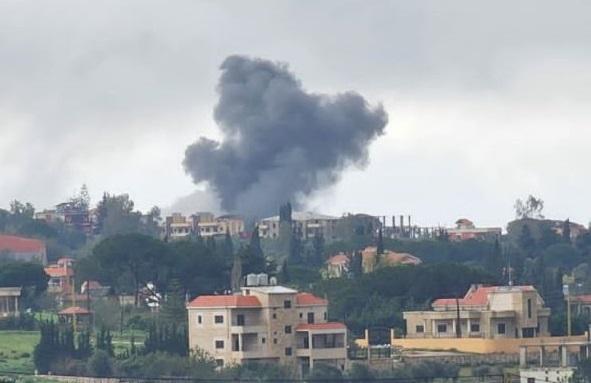
Israel strikes Tehran after Iran's missiles attack southern Israel.
Iranian missiles strike southern Israel. Israel strikes targets near Tehran after Iranian missile attack.

Iranian Missile Attacks
The Israel-Iran conflict escalated dramatically as Iran launched multiple missile attacks on southern Israel in retaliation for Israeli strikes on Iran's South Pars gas field. Iranian missiles struck the cities of Dimona and Arad, causing significant damage and injuries. The attacks targeted areas near Israel's nuclear facilities, with missiles penetrating Israeli air defenses that failed to intercept at least two projectiles before impact.
“Israel launched strikes against targets in the heart of Tehran on Sunday, hours after Iranian missile attacks on southern Israel left around 120 people injured, including at least 11 in critical condition, in a sharp escalation of the ongoing conflict.”
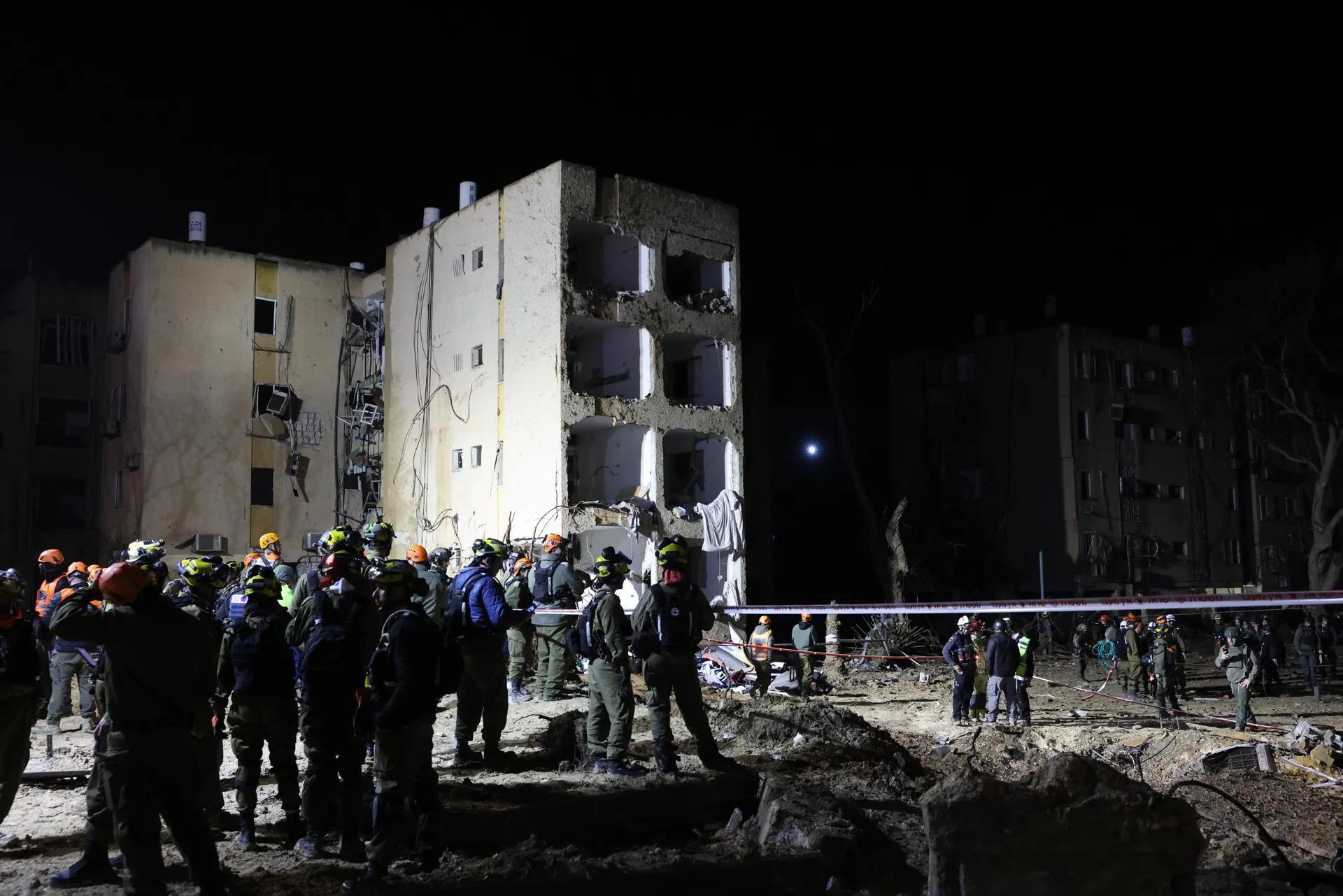
Israeli emergency services reported over 120 people injured, including a seriously wounded 10-year-old child, while dozens of buildings were destroyed and emergency responders conducted searches through the night for victims. Iran claimed the attacks were retaliation for Israel's bombing of the Natanz uranium enrichment facility, which Tehran attributed to both Israel and the United States, though Iranian authorities reported no evidence of radioactive leakage from the facility.

Israeli Tehran Strikes
In response to Iran's missile attacks, Israel launched extensive strikes against targets in Tehran, focusing on factories that developed 'critical components for the development of ballistic missiles.' Among the sites targeted was reportedly a nuclear facility near Natanz, though Israeli officials denied striking the facility, which is considered the heart of Iran's nuclear program. The Israeli military announced its operations on its official Telegram account, stating it was 'attacking targets of the terrorist regime of Iran in the heart of Tehran.'
Iranian state media reported that a hospital in the southwestern city of Andimeshk was damaged in one of the strikes, though there were no immediate reports of casualties from the Israeli attacks. The strikes represented a significant intensification of the conflict, with Israel targeting not just military infrastructure but also civilian facilities in Iran's capital.
Casualties and Damage
The exchange of strikes has resulted in significant casualties and widespread damage across multiple regions.
“Emergency responders reported building collapses and ongoing searches for victims through the night. Air raid sirens sounded twice across the region, first around 19:00 local time and again later in the evening, shortly before the second impact. Hospitals received dozens of wounded via ambulances and helicopters.”
In Israel, the Iranian missile attacks caused extensive destruction in Dimona and Arad, with emergency medical services reporting building collapses and ongoing rescue efforts.
Israeli authorities tightened nationwide security measures in response, suspending educational activities, restricting public gatherings to 50 people, and limiting workplace operations to sites with immediate access to protected spaces.
In Iran, the Israeli strikes targeted critical infrastructure, with reports of damage to the hospital in Andimeshk and the nuclear facility near Natanz.
The overall death toll from the conflict has surpassed 2,300 people, with most casualties occurring in Iran. Lebanese health authorities reported over 1,000 deaths in their country, while 13 American service members and 14 Israeli personnel have been killed according to official figures.
Regional Responses
The escalating conflict has triggered significant regional and international responses, with multiple Gulf countries becoming directly involved in the hostilities. Following Iran's attacks on Qatar's Ras Laffan Industrial City, the United Arab Emirates reported intercepting three ballistic missiles and eight drones launched from Iran. Saudi Arabia's defense ministry stated it intercepted missiles headed for Riyadh, with debris falling near a refinery south of the city.
Kuwait reported drone attacks that sparked fires at the Mina Abdullah and Mina Al-Ahmadi refineries. In response to the widening conflict, 22 countries including Britain, France, Germany and Japan signed a statement indicating they were ready to 'contribute to appropriate efforts to ensure safe passage' through the Strait of Hormuz, a vital oil route that Iran has largely choked off.

Strategic Divergence
The conflict has revealed significant strategic differences between the United States and Israel in their approaches to the Iran situation. While the U.S. views Iran through a prism of global responsibilities and strategic goals related to energy supplies and global trade, Israel adopts a more regional approach focused on immediate security threats. President Trump initially claimed the United States 'knew nothing about' Israel's strike on South Pars, but later backtracked, stating he had warned Israel against attacking the complex.
“As a superpower with global responsibilities, the United States cares deeply about global energy supplies and the safety of its Persian Gulf allies. And with crucial midterm elections later this year, the Trump Administration cares deeply about the rising price of gasoline in the United States. But as a regional power, Israel has different strategic aims and more narrow concerns, analysts and former officials say.”
This contradiction was highlighted when three Israeli officials told The New York Times that the strike was coordinated with the Trump administration in advance. The divergence in objectives stems from fundamentally different assessments of threats and costs that each side can bear, with Israel viewing Iran as an existential threat and the U.S. primarily concerned with global energy stability and domestic political considerations.