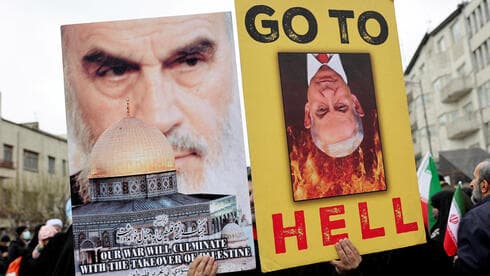
Israel Strikes Tehran During Quds Day March
Key Takeaways
- Israeli airstrikes hit central Tehran during Quds Day events
- Explosions occurred near the Quds Day march at Enghelab and Vali Asr intersection
- Reports conflicted on casualties, citing fears of deaths and no immediate injury reports
Immediate strikes reported
Massive explosions and at least one blast were reported in central Tehran on Friday during large Quds Day gatherings, with Iranian and international correspondents describing strikes near crowded areas and raising fears of casualties although immediate casualty reports were not available.
“Tehran, the Iranian capital, witnessed an Israeli strike today near an area crowded with protesters taking part in "Quds Day" events, raising fears of casualties among the thousands gathered in the city center”
Türkiye Today reported "Massive explosions were heard in central Tehran on Friday, with one blast reported near the site of the Quds Day march in the Iranian capital."

Al Jazeera said "Tehran, the Iranian capital, witnessed an Israeli strike today near an area crowded with protesters taking part in 'Quds Day' events, raising fears of casualties among the thousands gathered in the city center," and noted the strike hit "the intersection of Enghelab (Revolution) Street and Vali Asr Street, roughly one kilometer from the capital’s largest public gathering."
Ynetnews additionally reported that "Iranian media released a video showing Vice President Mohammad Reza Aref visiting Basij checkpoints after reports that the sites were targeted in a mysterious drone attack, following footage released by the IDF appearing to show such a strike," underscoring multiple reports of strikes and security incidents around the same time.
Conflicting target reports
Reports conflict over which Tehran neighbourhoods were warned or struck: some outlets say Israeli warnings named Villa and Moniriyeh while others place the advised and struck areas in central Enghelab, Vali Asr and near the University of Tehran, indicating discrepancies in official warnings and on-the-ground reporting.
Türkiye Today said "The Israeli military earlier warned it would strike two areas in the Iranian capital, Villa and Moniriyeh, and urged residents to evacuate."
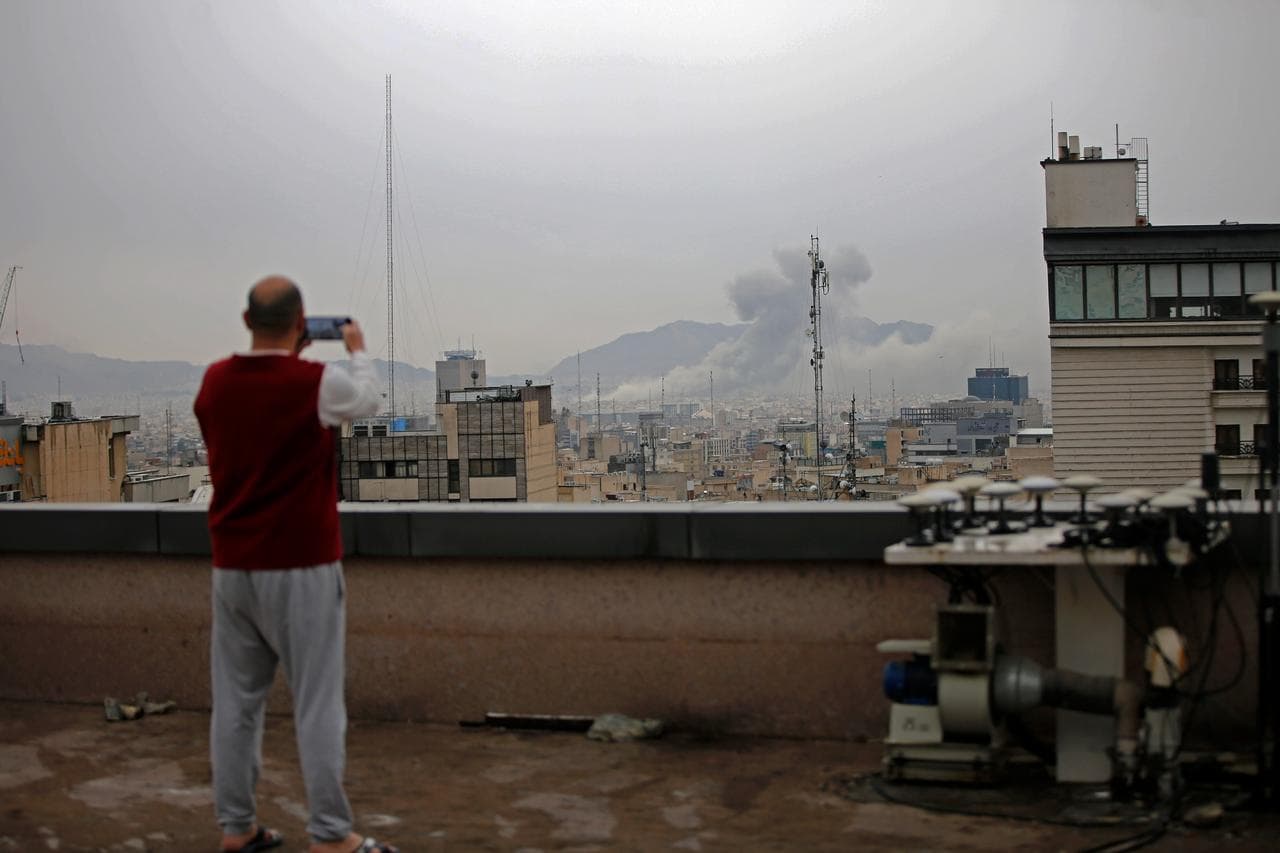
Al Jazeera reported that "Al-Asa explained that the raid came after Israeli warnings that targeted three areas, including the vicinity of the University of Tehran, Enghelab Square, and Vali Asr Street—areas that were exceptionally crowded because of the celebrations."
Ynetnews’ mention that footage was "released by the IDF appearing to show such a strike" adds another layer to the differing accounts of targets and methods.
Political context and unity
The strike occurred amid a highly politicised Quds Day atmosphere and a leadership transition in Tehran, with state figures using the incident to project unity and defiance.
“The attacks coincided with the annual events marking "Quds Day," held in Iran since 1979 to express opposition to Zionism, the State of Israel and Israeli control over Jerusalem”
Al Jazeera reported that "Tehran marked 'Quds Day' on Friday amid an exceptional atmosphere dominated by military escalation with Israel and the United States, as the Iranian regime sought to show internal cohesion following the appointment of Mojtaba Khamenei as the country’s new Supreme Leader," and noted large billboards and regime messaging.
Türkiye Today said "Meanwhile, Iran security chief Ali Larijani attended Tehran march and said attacks are 'out of desperation,' according to Iranian state TV."
Ynetnews noted related domestic movements by reporting that "Iranian officials said the funeral procession would depart from Martyrs Square in the city of Arak, where a farewell ceremony was held overnight," linking the events to domestic mobilization and mourning.
Regional escalation context
Media accounts placed the Tehran strikes within a broader cycle of regional escalation and retaliatory strikes, and they referenced past attacks and strong rhetoric from foreign leaders.
Türkiye Today framed the developments as part of an expanding confrontation, saying "Regional escalation has flared up since Israel and the US launched a joint attack on Iran on Feb. 28, killing so far around 1,300 people and injuring over 10,000 others, according to Iranian authorities," and noted Tehran's retaliatory strikes.
Al Jazeera observed that the Quds Day events coincided "with broad military escalation and a change in the religious and political leadership," and referenced Iranian attacks "targeting Israel and U.S. bases in the region."
Ynetnews relayed hardline rhetoric, quoting a statement that "We are totally destroying the terrorist regime of Iran, militarily, economically, and otherwise," attributed to Trump in its report, illustrating the charged tone surrounding the incidents.
More on Iran
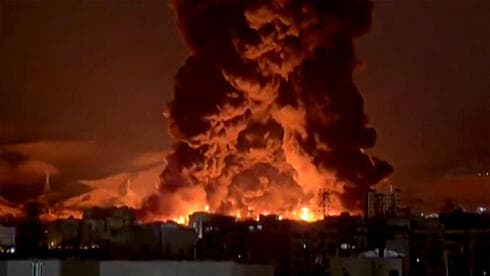
US obliterates military targets on Iran’s Kharg Island, Trump warns
13 sources compared
US Deploys About 2,500 Marines to Middle East After Iran Attacks Gulf Shipping
33 sources compared
FBI Warns of Iranian Drone Plot Based on Unverified Tip; California Says No Credible Threat
10 sources compared

White House Demands ABC Retract Report Claiming Iran Sought To Launch Drone Attacks On California
11 sources compared