Gaza Genocide10 November, 20252 min read
Israel Surrounds and Targets Trapped Hamas Fighters in Rafah Tunnels Amid International Pressure
This article is an automated aggregation of coverage from news outlets. Our editorials offer in-depth analysis curated by the NewsCord team.
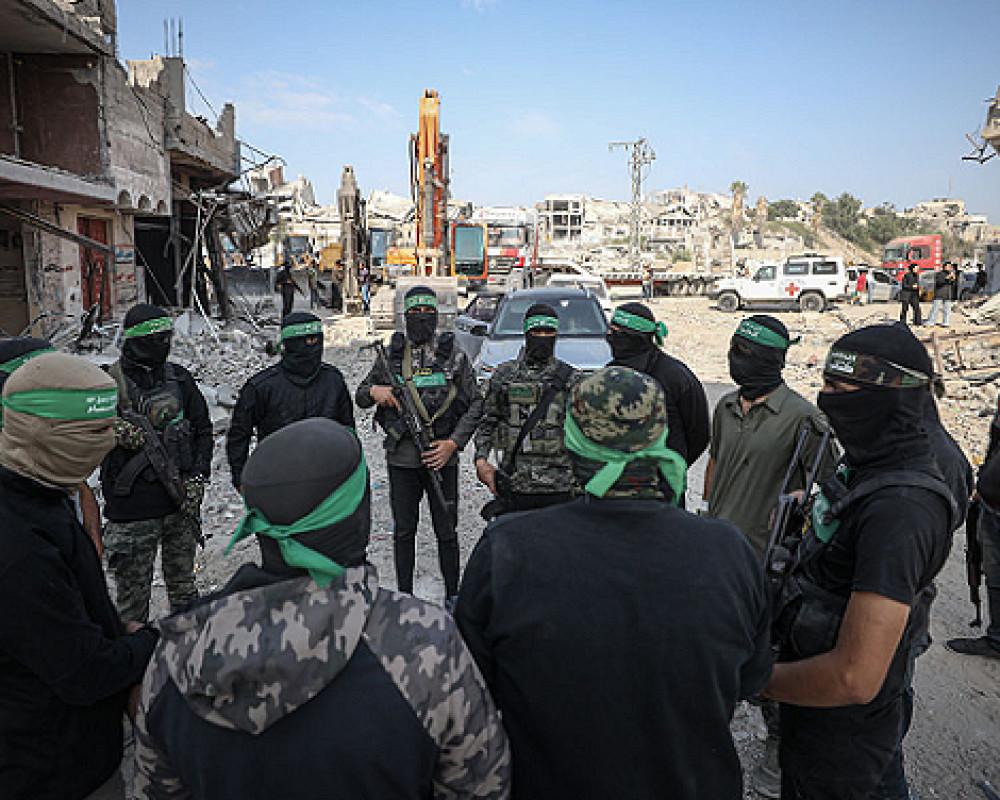
Israeli forces have surrounded and are targeting Hamas fighters trapped in Rafah tunnels. Turkey is negotiating safe passage for approximately 200 civilians trapped in Gaza tunnels.

6 outlets told this the same way.
Outlets did split on Thousands March in London Calling for Britain to Stop Arming Israel and Impose Sanctions →
Trapped Fighters and Ceasefire Tensions
Sources describe roughly 200 fighters trapped in tunnels inside the Israeli-controlled Rafah area, refusing to surrender while Israel refuses safe passage. Israel faces US pressure to avoid blowing up a fragile ceasefire. The New Arab reports Israel rejected safe passage for the trapped fighters despite US pressure and says the truce has already seen multiple violations by Israel.
“Around 200 Hamas fighters remain trapped in the Israeli-controlled Rafah area, posing a risk to the ceasefire’s stability.”
Uzalendo News and BusinessWorld Online both say the fighters are entrenched in Israeli-held Rafah and have appealed for mediators. These sources also stress mounting international pressure to keep the ceasefire from collapsing. Turkey’s government, which helped broker the ceasefire, positions its mediation as proof of the fighters’ commitment to hold the line and avoid a wider breakdown.

Mediation Efforts and Humanitarian Moves
Mediation tracks are split. The New Arab reports that Egyptian mediators asked the trapped fighters to surrender their weapons and share tunnel information in exchange for safe passage. Neither Hamas nor Israel publicly accepted the proposal, and Israel rejected safe passage.
Turkey pushed parallel humanitarian moves, facilitating the return of the remains of Israeli soldier Hadar Goldin to show it can deliver concessions and keep the ceasefire alive. BusinessWorld Online and Middle East Monitor both emphasize Ankara’s claim that this transfer demonstrates Hamas’s commitment to the ceasefire Turkey helped broker. Uzalendo News highlights Turkey’s expanding regional leverage and humanitarian talks to stave off a broader relapse into war.
Dispute Over Rafah Tunnel Occupants
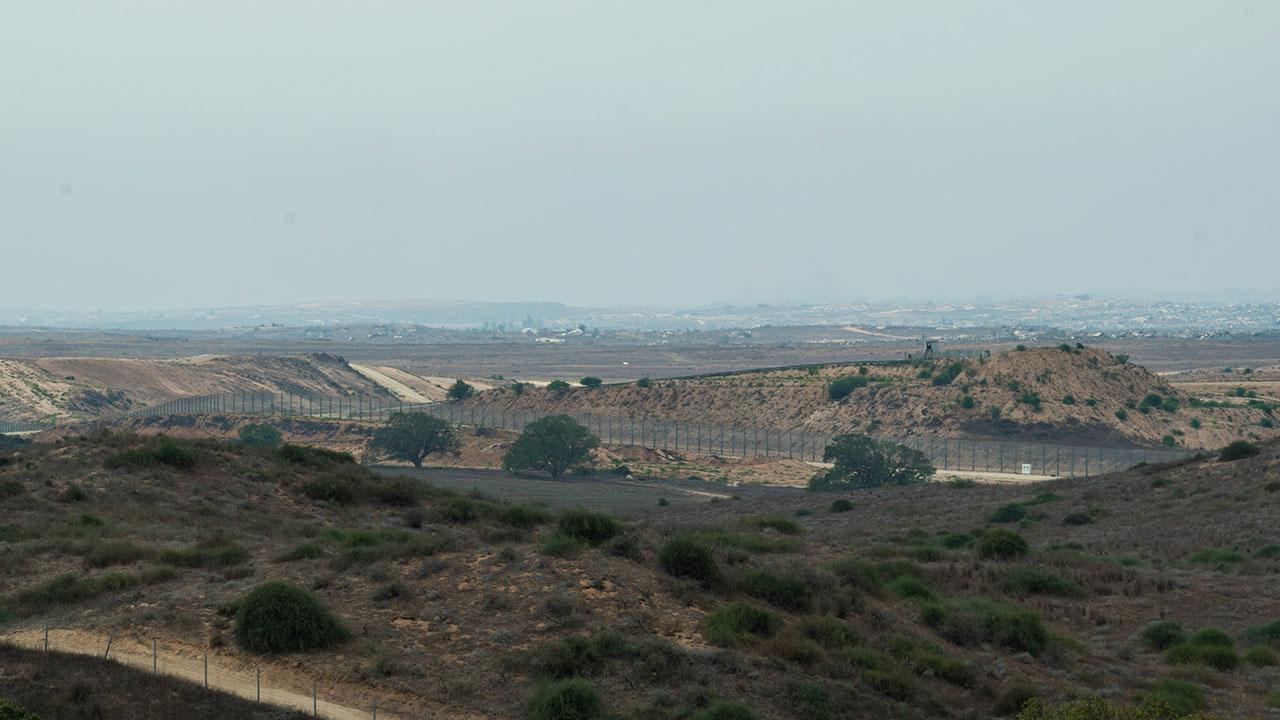
Who is trapped in the Rafah tunnels is contested across sources. The New Arab states clearly that around 200 Hamas fighters remain trapped in the Israeli-controlled Rafah area. Uzalendo News echoes that fighters are entrenched and refusing to surrender.
“Around 200 Hamas fighters remain trapped in the Israeli-controlled Rafah area, posing a risk to the ceasefire’s stability.”
However, BusinessWorld Online and Middle East Monitor describe efforts to secure safe passage for around 200 or about 200 civilians trapped in tunnels. This creates a sharp discrepancy in framing—armed combatants versus civilians—which affects how readers interpret Israel’s refusal to allow safe passage.
Turkey's Role in Gaza Conflict
The diplomacy is entangled with politics around Turkey’s role and allegations of genocide. The New Arab reports Israel opposes Turkish involvement in post‑war Gaza and condemned Turkey’s arrest warrants against Israeli officials over alleged genocide, even as Turkey leverages the Goldin remains transfer to keep the ceasefire alive. BusinessWorld Online and Middle East Monitor cast Turkey’s moves as evidence of Hamas’s commitment and a path to humane solutions for those trapped in Rafah tunnels.
Uzalendo News stresses that both sides are under international pressure to stick to the ceasefire and seek a political solution. The result: Israel controls the Rafah area, has rejected safe passage, and is being pressed by Washington and regional mediators to allow an exit that could prevent the truce from collapsing.