Gaza Genocide27 November, 20252 min read
Israel Targets 100-200 Hamas Fighters Trapped in Rafah Tunnels, Violating Ceasefire
Amnesty International says Israel continues committing genocide in Gaza despite the ceasefire. Between 100 and 200 Hamas fighters are trapped in Rafah's tunnel network.

18 outlets told this the same way.
Rafah tunnel standoff
Israeli forces are actively targeting an estimated 100–200 Hamas fighters holed up in underground tunnels beneath Rafah following the US-brokered ceasefire. International mediators are debating safe passage for those fighters amid the ceasefire arrangements. Negotiators from the United States, Egypt, Qatar and Turkey have reportedly discussed a compromise to allow fighters to leave tunnels located behind the ceasefire's "Yellow Line."
“Negotiations are underway to secure safe passage for dozens of Hamas fighters reportedly holed up in tunnels under Rafah, with Israeli media estimating 100–200 militants remain trapped.”
Israel has resisted any safe‑passage deal, and Prime Minister Benjamin Netanyahu publicly refused to allow such movements. A government spokesperson described the individuals as "200 Hamas terrorists."
Israeli units say they have repeatedly killed or captured fighters when they try to emerge, collapsing tunnels and striking associated sites. Israeli officials insist these actions are aimed at dismantling Hamas's military capabilities.
Genocide allegations in Gaza
Human rights groups and some media outlets say the Israeli campaign still amounts to genocide and argue the ceasefire has not stopped deliberate actions aimed at Palestinians' destruction. Amnesty International's secretary-general, Agnes Callamard, told Al Jazeera that Israeli authorities are 'still committing genocide' in Gaza and warned there is 'no evidence' Israel's intent has changed. Amnesty's briefing states that Israeli authorities are continuing to commit genocide by maintaining life-threatening conditions.
Al Jazeera and TheNational.scot cite Amnesty's assessment along with detailed casualty figures and reported violations of the truce. The Guardian reports that Israel's foreign ministry has denied findings of genocide and strongly rejected Amnesty's claims. These sources thus highlight a clear split between human-rights legal allegations and Israel's formal denials.

Gaza aid and military actions
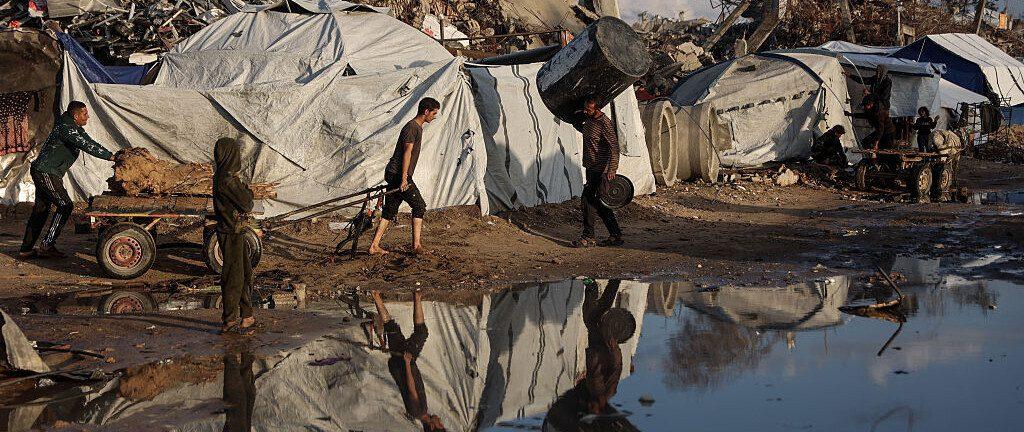
Humanitarian access to Gaza remains severely constrained as Israeli forces control territory and restrict crossings. Middle East Eye reports the Rafah crossing remains closed and only about 200 aid trucks per day are being allowed in versus the 600 agreed under the ceasefire, and Amnesty warns Palestinians face a slow death from shortages of food, shelter and medicine.
“Amnesty International and Gaza authorities say Israel is severely restricting humanitarian access to Gaza: the Rafah crossing remains closed, there is a full sea blockade, and only about 200 aid trucks per day are being allowed in versus the 600 agreed under the ceasefire.”
At the same time Israeli forces are conducting strikes and raids; VINnews and The Media Line describe precision strikes, tunnel collapses and arrests, actions that humanitarian sources say undermine relief efforts and threaten civilian survival. These competing emphases show humanitarian crisis reporting and military operational reporting occurring in parallel.
Ceasefire exchanges and risks
The fragile ceasefire has produced prisoner and body exchanges, but military pressure around Rafah threatens to unravel the truce. Al Jazeera reports Palestinian armed groups released all living captives and returned 26 of 28 remains, while Israel freed nearly 2,000 Palestinian prisoners and returned 345 bodies — tangible but limited humanitarian progress. Diplomats and mediators are working urgently to avert renewed fighting as Israel demands the surrender or destruction of fighters it says are embedded in tunnels.
Media outlets describe diplomats racing to prevent the standoff from derailing the truce while Hamas urges mediators to force Israel to allow fighters to return. The situation remains ambiguous and dangerous: releases have occurred, but Israeli operations in and around Rafah keep causing deaths and arrestees, and sources differ on whether the ceasefire's gains can hold.