Gaza Genocide04 February, 20264 min read
Israel Uses Israel-Linked Palestinian Militia To Blindfold, Beat And Humiliate Palestinians Returning To Gaza At Rafah
This article is an automated aggregation of coverage from news outlets. Our editorials offer in-depth analysis curated by the NewsCord team.
Israeli forces blindfolded, handcuffed, beat, and interrogated returnees during Israel's genocide. A Palestinian militia linked to Israel conducted security checks at an Israeli checkpoint inside Gaza.
10 outlets told this the same way.
Outlets did split on Israel Marks Oct. 7 Anniversary With Strikes on Gaza, Netanyahu Faces Election After Nova Tribute →
Al Jazeera was read line by line by the Watchdog: 3.2. See the score →
Rafah crossing limits
Israel reopened the Rafah crossing under strict and narrowly enforced limits, allowing only small numbers of Palestinians to re-enter while tens of thousands remain registered to return.
“When Israel agreed to reopen Rafah it imposed a strict quota — 50 Palestinians allowed to leave Gaza and 50 to enter per day — and limited returnees to people who fled Gaza after Oct. 7, 2023.”
Middle East Eye reports that when Israel agreed to reopen Rafah it imposed a strict quota of 50 Palestinians allowed to leave Gaza and 50 to enter per day and limited returnees to people who fled Gaza after Oct. 7, 2023.

Awaz The Voice notes that more than 30,000 Palestinians have registered to return from Egypt, yet Israeli limits of roughly 50 people per day have raised concerns about delays and humanitarian impact.
PressTV gives a different operational figure for daily passage, saying the terminal is tightly restricted and allows roughly 150 people a day, including 50 medical patients plus companions, illustrating discrepancies in how many people are actually being processed.
Independent outlets reported that on the day Rafah reopened only a tiny fraction of registered returnees passed through, with iwcp.net recording that only 12 were allowed through (three women and nine children).
Rafah returnees' alleged treatment
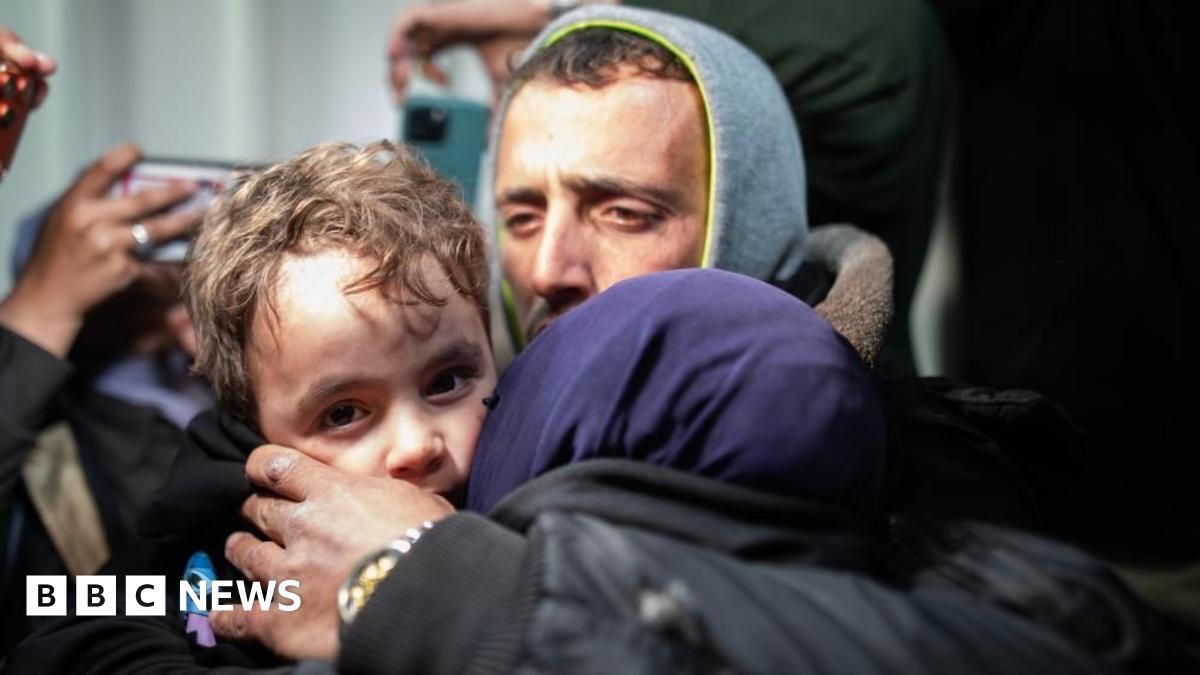
Multiple eyewitness accounts and reporting allege that Palestinians returning through Rafah were blindfolded, handcuffed, separated from children, and subjected to prolonged interrogation and humiliating searches by either Israeli forces or Israeli-backed militias. Al Jazeera reports Palestinian women described a 'journey of horror,' saying they were separated from their children, blindfolded, handcuffed and subjected to hours of threatening psychological and political interrogation by Israeli forces. United News of Bangladesh relays that three women told the Associated Press Israeli troops blindfolded, handcuffed and interrogated them for hours and searched their belongings.
PressTV and Middle East Eye add that masked or Israeli-backed Palestinian gunmen linked to Yasser Abu Shabab's network, now led by Ghassan Dahine, intercepted returnees, read names aloud, escorted them to Israeli checkpoints and took part in repeated questioning. PressTV notes an Israeli official told Haaretz that militia members escort Palestinians entering from the Rafah crossing to the Israeli security checkpoint. iwcp.net also reports returnees described the crossings as journeys of horror, humiliation and oppression.

Alleged militia cooperation
Specific testimonies and reporting place local militia figures in direct cooperation with Israeli forces. Middle East Eye recounts that Ghassan al-Dahini’s men 'handed her to Israeli soldiers, who took her to makeshift barracks, subjected her to a strip search, blindfolded and handcuffed her, and interrogated her in a room where an officer wore a balaclava.' PressTV traces the militia back to networks linked to the late smuggler Yasser Abu Shabab and says masked militants 'stopped returnees about 500 meters from the crossing' and that an Israeli official told Haaretz that 'militia members escort Palestinians entering from the Rafah crossing to the Israeli security checkpoint.'
“One returnee, Abu Abed, says Dahini’s men handed her to Israeli soldiers, who took her to makeshift barracks, subjected her to a strip search, blindfolded and handcuffed her, and interrogated her in a room where an officer wore a balaclava.”
At the same time, United News of Bangladesh reports Israeli military denial: "Israel’s military denied any misconduct, saying it knew of 'no incidents of inappropriate conduct, mistreatment, apprehensions, or confiscation of property,'" and notes Shin Bet and COGAT did not respond to requests. Those opposing assessments — firsthand allegations versus official denial — are both reported by the outlets and remain in direct contradiction in the record.
Rafah evacuations and displacement
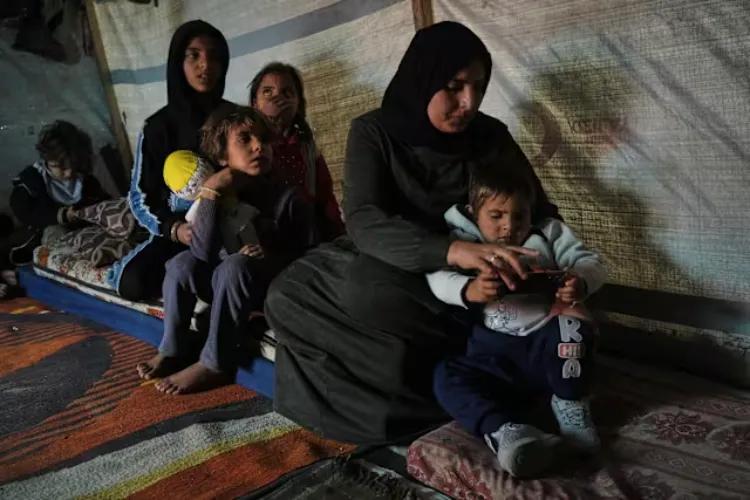
The narrow reopening and harsh screening have clear humanitarian consequences, as medical evacuations and family reunifications are severely constrained. PressTV reports that nearly 20,000 need medical evacuation and some 80,000 displaced Palestinians seek to return amid widespread destruction in Rafah, while iwcp.net and other outlets warn that roughly 20,000 Palestinians are currently awaiting urgent treatment abroad.
Al Jazeera and iwcp.net document that only a handful of patients and companions crossed in the initial days - five patients and seven companions, according to PressTV and Al Jazeera's reporting of the WHO count - leaving many critically ill people stranded. United News of Bangladesh places the wider displacement context in relief numbers, noting that more than 110,000 Palestinians left Gaza early in the war, thousands were evacuated abroad for medical care, and about 30,000 have registered to return via Rafah.
Reactions to reported treatment
Regional actors and Palestinian factions have condemned the reported treatment, while authorities and Israeli bodies have defended or denied wrongdoing. News reports quote Hamas calling the treatment 'fascist behavior' and 'humiliating,' urging mediators to protect travelers and to act. Rights groups and Palestinian officials warned that coercive screenings could deter returns and worsen the humanitarian crisis, a concern echoed by reporting that families were reunited later at Nasser Hospital after UN staff intervened.
“Hamas condemned the 'humiliating' treatment and urged mediators to act.”
By contrast, Israeli officials and some outlets emphasize denial or procedural control, with the Israeli military saying it knew of 'no incidents of inappropriate conduct' and others noting Israel 'retains the right to approve returnees and conduct security screening.' The coverage shows sharp tonal differences: regional and alternative sources foreground strong condemnations and vivid victim testimony, while other outlets include official denials and procedural justifications.