Full Analysis Summary
Claim verification summary
I cannot confirm the claim that "Israel Violates Ceasefire, Continues Airstrikes on Gaza Day 767" from the material you provided.
Only one article snippet (The Guardian) was supplied and it does not report on Gaza airstrikes or a "day 767" timeline.
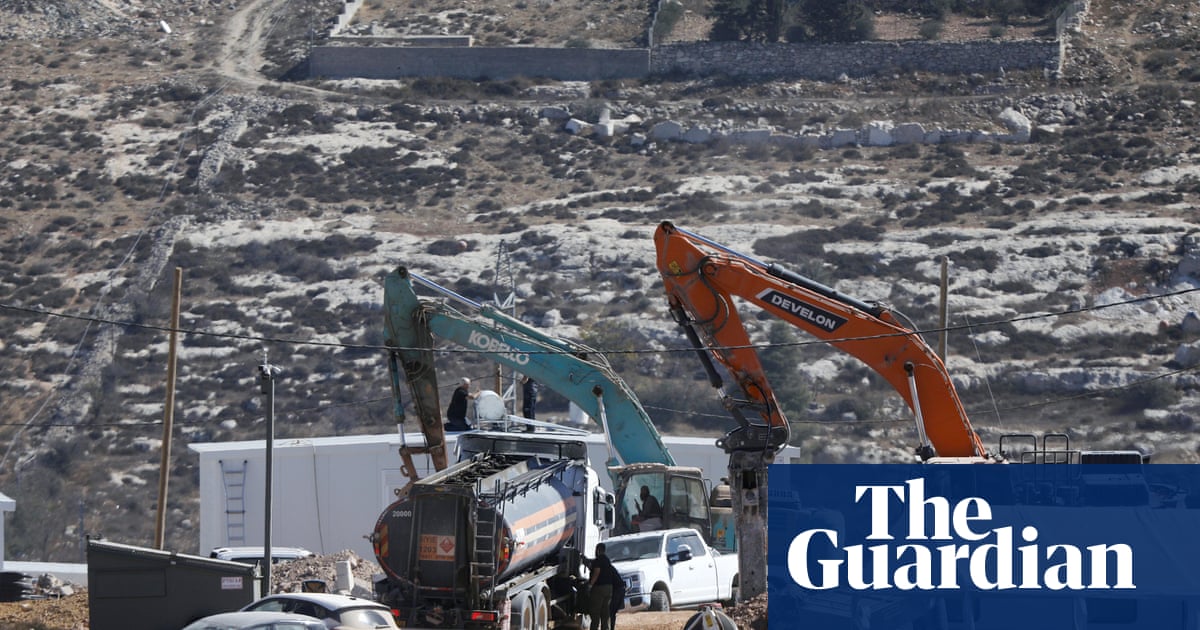
The Guardian piece instead focuses on EU responses to settlement policy.
It notes that Belgium and Spain have cut consular services to residents of Israeli settlements as several EU countries push measures targeting settlement activity.
Given the lack of additional sources, I must explicitly state that the information about Gaza airstrikes and a ceasefire breach is unclear in the provided material and cannot be substantiated here.
EU measures on settlements
The Guardian emphasises diplomatic and economic steps by EU states targeting settlement activity rather than reporting on Gaza airstrikes.
It reports that trade measures are complicated, with Dutch official Van Weel saying new rules to block imports from settlements are slow to draft because trade policy is largely controlled at EU level, so a legal 'carve-out' cannot be implemented immediately and must be approved by parliament.
The article frames these steps as political signals toward a future Palestinian state rather than large-impact trade changes.
It notes that settlement exports to the EU are small, so measures are mainly a political signal of support for a future Palestinian state.
West Bank violence and politics
The Guardian documents a rise in violence and political pressure in the occupied West Bank.
It cites UN data and Israeli parliamentary action.
UN data show an average of eight Israeli attacks per day in the occupied West Bank in October, the highest rate since records began.
The Knesset gave preliminary approval to a bill that would effectively extend Israeli law over the West Bank.
The article links these developments to international legal pressure after an International Court of Justice ruling that the occupation is illegal.
Following that ruling, nine EU states asked the European Commission to explore cutting trade with settlements.
Conclusion and limits
Based only on the supplied Guardian snippet, the reliable findings are that several EU countries are taking targeted diplomatic and economic steps against settlement activity and that violence in the West Bank has increased according to UN data, while the snippet does not document Gaza airstrikes or a specific 'day 767' timeline.
Because additional sources such as West Asian outlets, alternative Western press, local Gaza reporting, or Israeli military statements were not provided, I cannot present a comprehensive, multi‑perspective account of alleged ceasefire violations or ongoing airstrikes.
If you provide further articles covering Gaza operations, casualty reports, or ceasefire monitoring, I can produce a fuller, comparative four‑to‑six paragraph article grounded in multiple source types.