Israeli Airstrikes Kill Nine Civilians in Southern Lebanon as Hezbollah Drone Attacks Wound Soldiers
Key Takeaways
- Israeli airstrikes in southern Lebanon killed civilians, including medics.
- Hezbollah drone attacks wounded Israeli soldiers.
- Casualty figures across outlets range from eight to fourteen killed.
Raids, drones, and casualties
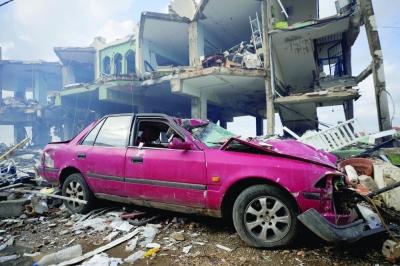
Israeli airstrikes and artillery shelling continued across southern Lebanon even as a ceasefire arrangement took effect in April, with Palestine Chronicle describing “more than 14 raids across multiple areas in southern Lebanon” carried out by Israeli warplanes.
The same report says the strikes targeted towns throughout Tyre, Nabatieh, and Bint Jbeil districts, and that the aerial assault “concentrated heavily on the Tyre district.”

Dunya News, citing Lebanese officials and state media, said Israeli airstrikes killed at least nine civilians in southern Lebanon, including “two children,” while leaving 23 people injured.
In parallel, Dunya News reported that Hezbollah carried out a drone attack in northern Israel that wounded at least 12 Israeli soldiers.
The Times of Israel described a morning sequence in which “An Israeli soldier was killed” and three were moderately wounded in “two Hezbollah explosive drone attacks in southern Lebanon,” while another drone struck an artillery position and wounded twelve other troops.
The Times of Israel also reported that “Sirens warning of a suspected drone attack from Lebanon had sounded in the border communities of Zarit, Adamit, Shomera and others,” sending residents into shelters, and later said it launched “a wave of airstrikes against Hezbollah infrastructure sites across southern Lebanon.”
What led to escalation
The sources tie the Lebanon fighting to the wider war that began on March 2, when Hezbollah fired rockets at Israel “in response to the assassination of Iran's Supreme Leader Ali Khamenei on the first day of the American-Israeli assault,” according to AFP via جريدة عمان.
That same AFP account says Israel responded with “wide-ranging airstrikes on Lebanon” and that “its forces penetrated into its south,” with the war in the region extending to Lebanon on March 2.
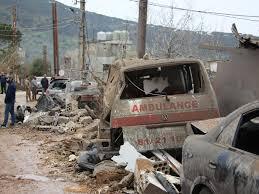
Palestine Chronicle frames the current phase as continuing Israeli military operations “despite the ceasefire arrangement that took effect in April,” and it describes a pattern of repeated strikes on residential neighborhoods and civilian infrastructure across southern Lebanon.
It also says the attacks continued across specific towns and districts, including Tyre, Nabatieh, and Bint Jbeil, and that Israeli artillery shelled areas surrounding Mansouri, Qalila, and “the hills of Majdal Zoun.”
In the same report, Lebanese sources accuse Israel of continuing to violate the ceasefire through “sustained airstrikes, artillery shelling, and continued military presence inside Lebanese territory.”
The Times of Israel adds that “A US-brokered ceasefire appeared to be falling apart” as Hezbollah carried out “several other drone and rocket attacks” on Thursday morning.
Voices and stated positions
The dispute over ceasefire compliance and civilian targeting is reflected in statements attributed to Lebanon’s leadership and in Israel’s military messaging.
Dunya News reports that President Joseph Aoun urged Israel to adhere to international law and stop targeting civilians, medical staff, civil defence workers and journalists, and it says he stated that “ceasefire violations were ongoing in southern Lebanon.”
The same Dunya News account says Aoun added that “around 17 aid workers and paramedics had been killed so far,” and that journalists had also come under attack.
The Times of Israel quotes Lebanon’s health ministry describing the toll from “Israeli enemy strikes on south Lebanon” and says the ministry stated an “initial toll” of nine martyrs including “two children and five women,” alongside “23 wounded.”
In the Times of Israel’s account of Israel’s posture, army spokesman Col. Avichay Adraee told residents, “Hezbollah activities are forcing the IDF to act against it, as it does not intend to harm you.”
On the diplomatic track, جريدة عمان reports that Foreign Minister Gideon Saar denied any intention to engage in direct negotiations with Lebanon, saying, “The answer is no.”
How outlets frame the same events
The accounts diverge in both the scale of reported casualties and the emphasis placed on responsibility, while still describing overlapping incidents in southern Lebanon.
Palestine Chronicle says Israeli warplanes carried out “more than 14 raids” and that Lebanese sources accuse Israel of violating the ceasefire through “sustained airstrikes, artillery shelling, and continued military presence inside Lebanese territory,” and it cites a Lebanese Ministry of Health cumulative toll since March 2 of “2,659 killed and 8,183 wounded.”
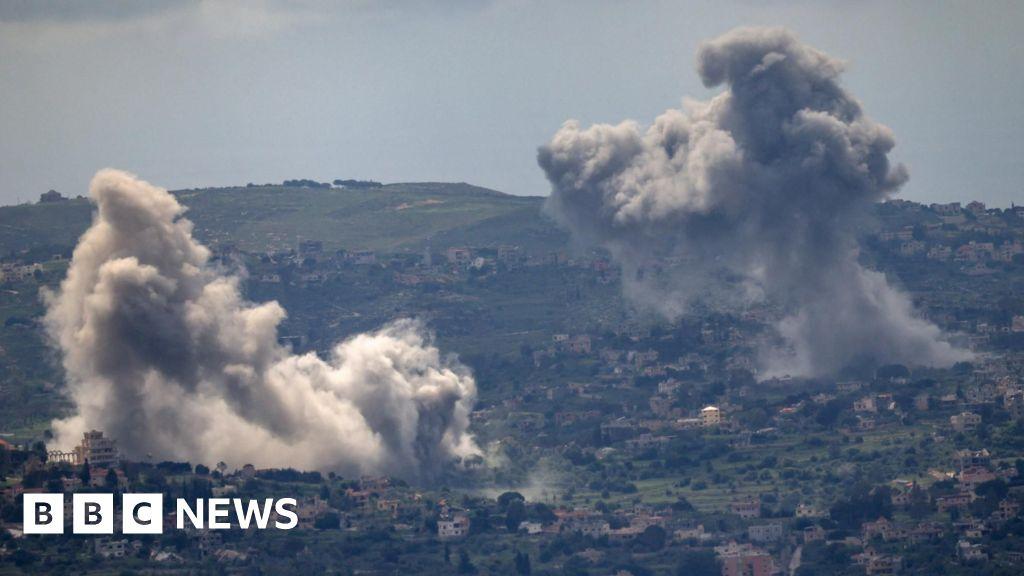
Dunya News, by contrast, focuses on a narrower snapshot, saying Israeli airstrikes killed “at least nine civilians, including two children,” and it adds that 23 people were injured.
The Times of Israel reports a specific operational sequence involving Hezbollah explosive drone attacks, naming the killed soldier as “Sgt. Liem Ben Hamo, 19, of the Golani Brigade’s 13th Battalion, from Herzliya,” and it describes IDF strikes as acting “against threats.”
In the same Times of Israel report, Hezbollah took responsibility for drone attacks in Qantara and Bint Jbeil, while the IDF said it struck Hezbollah infrastructure as casualties were being evacuated.
Al-Manar TV Lebanon’s correspondent report centers on a single strike outcome, stating that an “Israeli strike on Arab Salim claimed lives of two people and led to injury of two others including a child,” which contrasts with the broader multi-town tallies in other reports.
Stakes and what comes next
The immediate consequences described by the sources include injuries, evacuations, and continued strikes, with both sides portraying their actions as responses to threats or violations.
The Times of Israel says the IDF issued evacuation warnings for 23 villages in southern Lebanon ahead of strikes on Hezbollah, and it specifies the warning addressed to residents of Sammaaiyeh, Hanniyeh, Qlaileh, Wadi Jilou, Kniseh, Kafra, Majdal Zoun, Seddiqin, Jibshit, Habboush, Harouf, Kfar Jouz, Nabatiyeh al-Faouqa, Ebba, Aadshit, Arab Salim, Toul, Houmine al-Faouqa, Mjadel, Arzoun, Dounine, Haumeiri, and Maaroub.
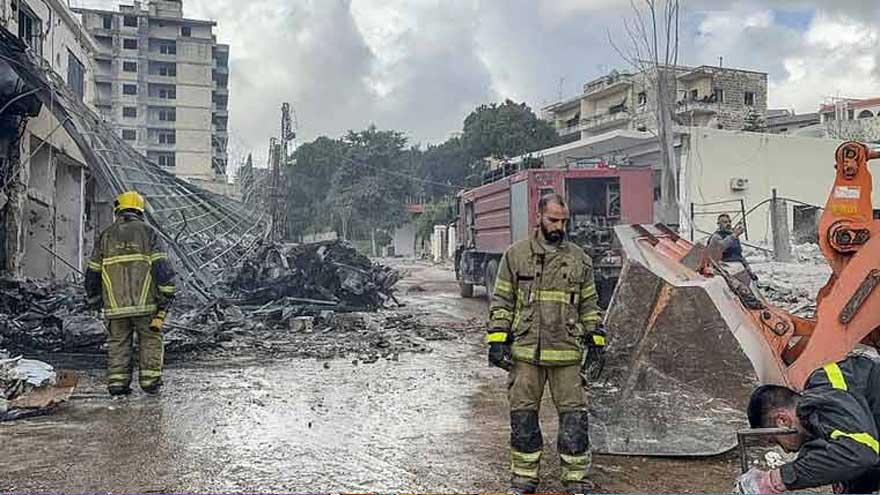
It also says residents were called to evacuate to at least a kilometer away, and it frames the warnings through Col. Avichay Adraee’s statement that Hezbollah activities are forcing the IDF to act.
Dunya News similarly reports that the Israeli military issued fresh warnings to residents of 15 towns in southern Lebanon, listing Jibshit, Habboush, Harouf, Kfar Joz, Upper Nabatieh, Aba, Adchit al-Shqif, Arab Salim, Talat al-Khouri, Upper Houmine, Al-Majdal, Arzoun, Doueir, Al-Humairi and Maaroub.
Palestine Chronicle says Israeli efforts include establishing a “yellow line” buffer zone extending across more than 50 southern villages, and it describes continued attacks on residential neighborhoods and civilian infrastructure.
On the diplomatic side, the AFP account via جريدة عمان says Foreign Minister Gideon Saar affirmed that there is “no direction in Israel to conduct direct negotiations with Lebanon to end the war,” while also noting that Lebanese President Joseph Aoun proposed negotiating with Israel and that French President Emmanuel Macron urged direct talks.
More on Gaza Genocide
Israel’s Defense Ministry Approves F-35 And F-15I Deal With The United States
15 sources compared
Israel’s War On Gaza Leaves Thousands With Untreated Fractures As Healthcare System Collapses
16 sources compared

Middle East War Triggers Canceled Flights and Tourism Collapse in Jordan, Dubai, and Egypt
13 sources compared

Israeli Police Arrest 36-Year-Old Man After French Nun Attacked Near Jerusalem’s Old City
26 sources compared