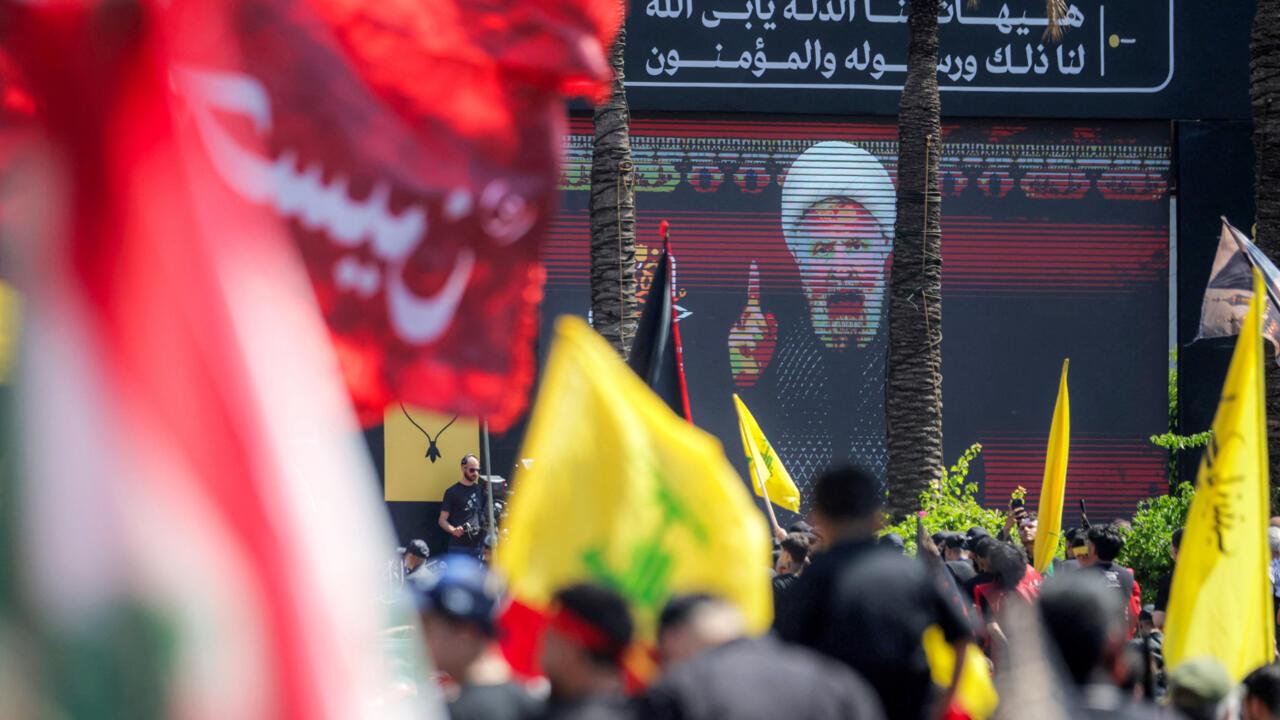
Israeli Army Destroys Tunnel in Southern Lebanon as Hezbollah Vows Response
Key Takeaways
- A Lebanon–Israel framework agreement was signed on Friday to pave the way for peace.
- Israeli strikes continued in southern Lebanon after the deal, with attacks and a tunnel destroyed.
- Hezbollah condemned the deal, while Lebanon experienced sharp domestic divisions over the agreement.
Tunnel destroyed, ceasefire tested
On Sunday, June 28, the Israeli army destroyed an extensive tunnel in southern Lebanon, with Lebanese state media reporting strikes in the area and Iran-backed Hezbollah saying it reserves the right to respond to these attacks.
“Toggle Play Lebanon Latest: Israel strikes as Hezbollah condemns new deal Read more Al Jazeera’s Zeina Khodr brings you the latest from southern Lebanon as Israeli strikes continue despite the Israel-Lebanon deal”
Le Monde reported that the tunnel, stretching more than 200 meters and reaching a depth of over 25 metres, contained hundreds of weapons and several launch shafts intended to target the State of Israel and its civilians.

The same Le Monde account said the incidents came despite a trilateral framework agreement signed by Lebanon and Israel under US sponsorship on Friday to pave the way for peace between the two countries and disarm Iran-backed Hezbollah.
Hezbollah said in response to the attacks on Sunday that it “reiterates that what the enemy has done is a blatant violation of the ceasefire to which it has adhered until now,” and that it was monitoring and tracking these violations.
Le Monde also said the Israeli army reported one of its soldiers “fell in combat” in southern Lebanon and later said it killed a “Hezbollah terrorist” who had clashed with its forces.
Hezbollah, Amal reject deal
The day after the Lebanon-Israel agreement was announced, مونت كارلو الدولية described a sharp national division in Lebanon led by Hezbollah and the Amal Movement, while the presidents of the Republic and the Government praised it.
In that framing, Parliament Speaker Nabih Berri said the agreement “is the fitna” and Amal later issued a statement rejecting the agreement entirely on the grounds of its rejection of direct negotiations with Israel.
Hezbollah’s hardline stance was attributed to its General Secretary Sayyed Naim Qassem, who described the agreement as “humiliation, disgrace, and a concession of sovereignty,” and said it “has no existence.”
The same مونت كارلو الدولية account said security forces removed banners Hezbollah had previously raised on the road to Beirut's airport thanking Iran and replaced them with banners bearing the slogan 'Lebanon first.'
It added that the Army leadership responded to supporters burning one of these banners with a warning statement affirming its respect for freedom of peaceful expression and stressing it would not allow any disruption of security or harm to civil peace.
Experimental regions and disarmament
Le Monde reported that the deal makes any Israeli withdrawal from occupied Lebanese land conditional on Beirut disarming Hezbollah by creating “pilot zones” that the Lebanese military will take over.
“After the agreement with Israel, will Lebanon enter a new phase or slide toward an internal confrontation”
مونت كارلو الدولية said the true test of implementation would be in the two experimental regions, one north of the Litani River and the other south of it, where the Lebanese army would deploy and Israel would withdraw after verifying that Hezbollah is not present there.
In that account, it was stated that Hezbollah is not present in either of these two regions, but that its rejection of the agreement makes it engaged and able to obstruct the deployment, including by mobilizing public opinion.
The same مونت كارلو الدولية account said Hezbollah insists on returning to the American-Iranian memorandum as the reference for Israel's withdrawal, not Washington negotiations, to preserve the Iranian umbrella that protects its role and spares it from disarming.
It contrasted that with the Lebanese state’s pledge to disarm the party as “a fundamental condition for any Israeli withdrawal from Lebanese territory,” while Le Monde also reported that Israel’s Defense Minister Israel Katz has insisted troops will stay in Lebanon so long as Hezbollah remains armed.
More on Lebanon
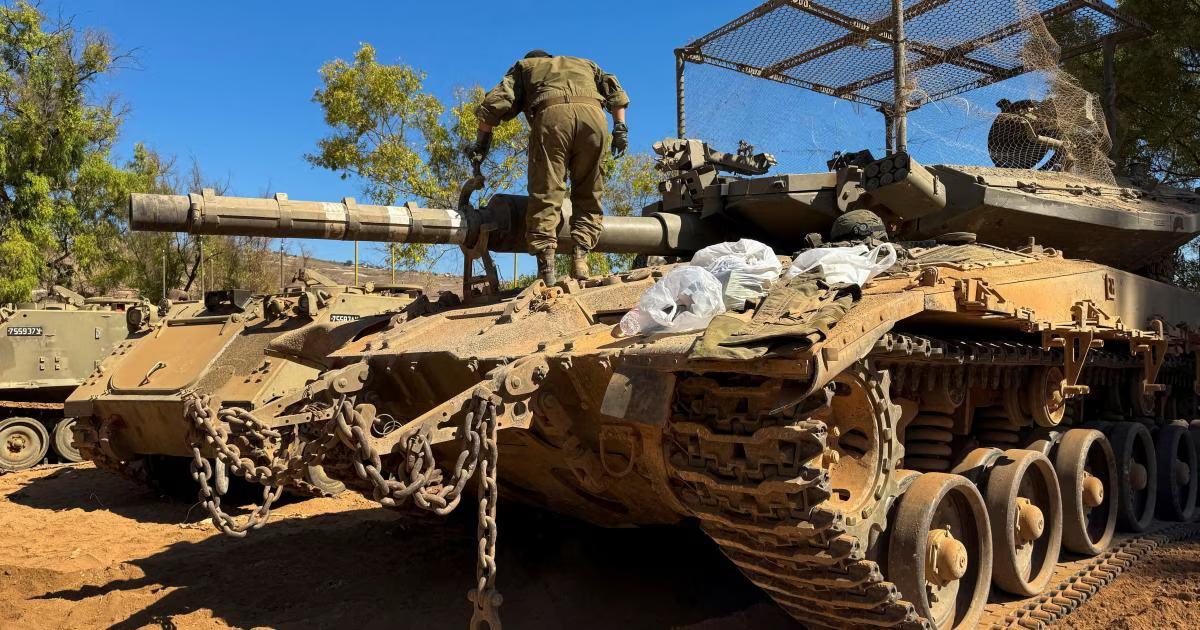
Lebanon and Israel Sign Security Annex Linking Hezbollah Disarmament to Israeli Withdrawal
22 sources compared
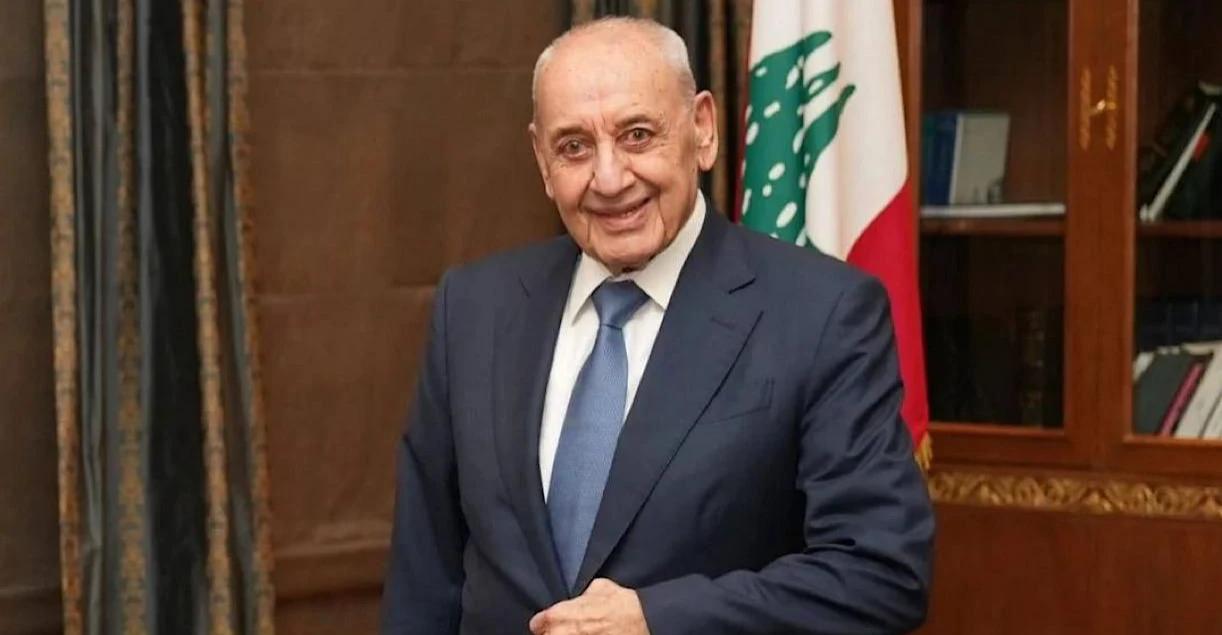
Nabih Berri Condemns US-Brokered Lebanon-Israel Framework Agreement, Says It Will Not Pass
17 sources compared
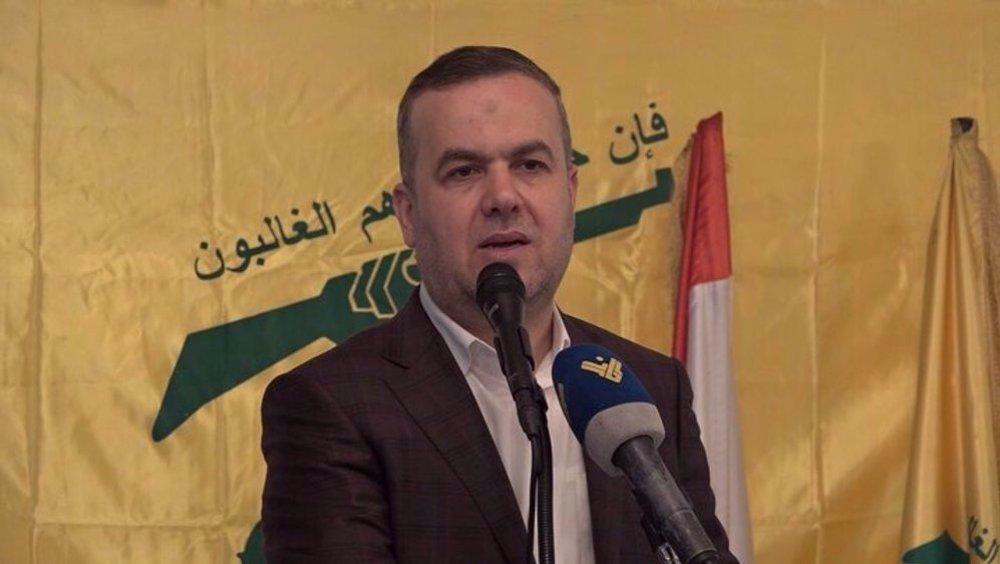
Israeli Attacks Kill 4,247 in Lebanon, Injure 12,195 Since March 2
13 sources compared
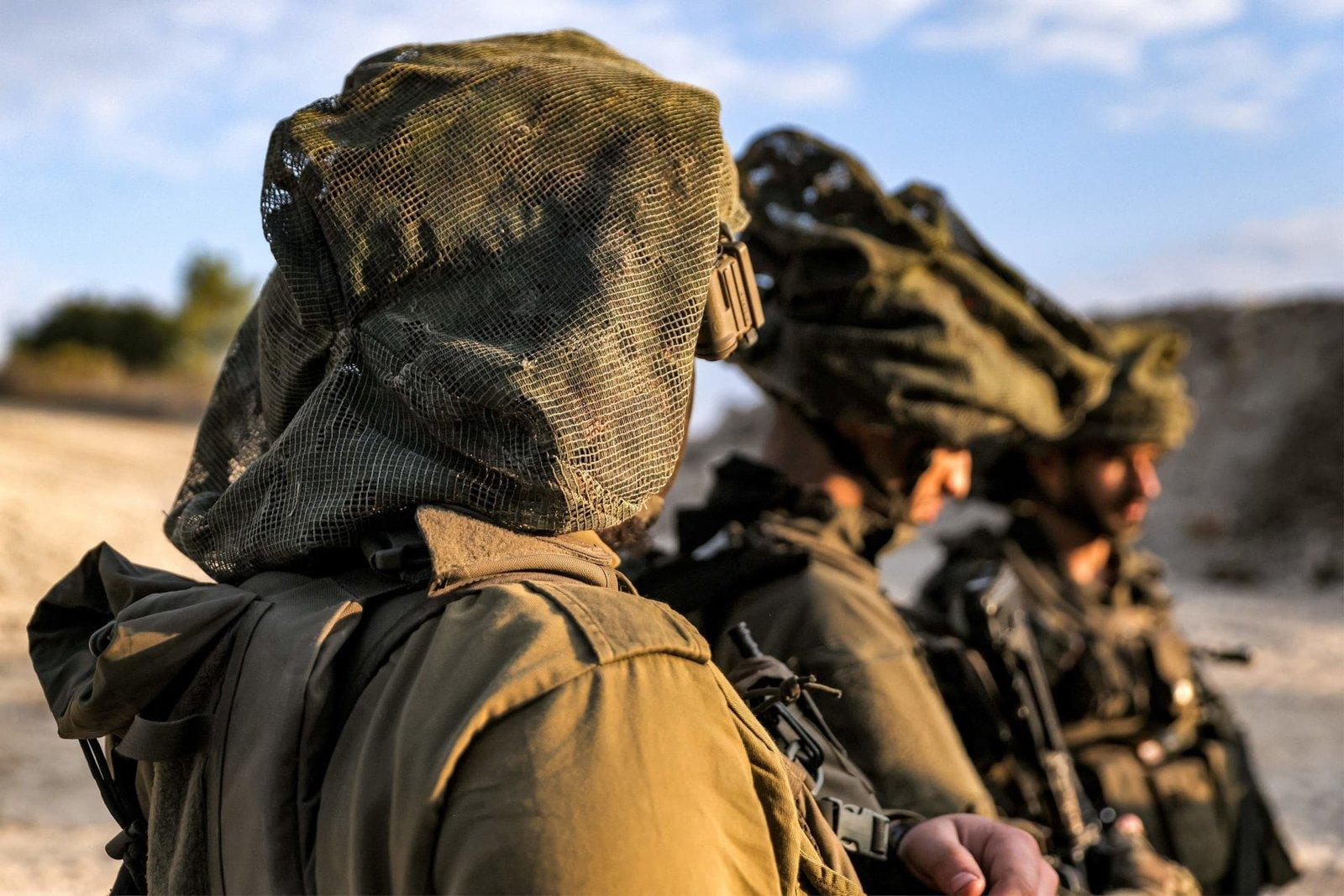
IDF Destroys Hezbollah Tunnel Network in Majdal Zoun, Stores Drones and Warheads
28 sources compared