
Israeli Attacks On Lebanon Kill 2,618, Lebanon’s Health Ministry Says
Key Takeaways
- Lebanon death toll from Israeli attacks reaches 2,618.
- Some outlets report 2,491 fatalities in Lebanon.
- Wounded toll ranges between 7,719 and 8,094.
Toll climbs in Lebanon
Israeli attacks on Lebanon have driven the death toll to 2,618, with Lebanon’s Ministry of Health announcing that the cumulative figure since March 2 has risen to 2,618 killed and 8,094 wounded.
In a Friday update, SANA said the Lebanese Ministry of Health announced that the death toll from Israeli attacks on Lebanon since March 2 has risen to 2,618 killed and thousands injured, and it cited the Lebanese National News Agency (NNA) quoting the ministry’s Emergency Operations Center.
SANA also reported that “Six people were killed, including a woman, and 16 others were injured today, Friday, in a series of Israeli airstrikes and raids on towns in southern Lebanon.”
Anadolu Ajansı likewise reported that in the last 24 hours, “32 people were killed and 74 injured” and that the ministry’s daily report raised the total victims since March 2 to “2,618 dead and 8,094 wounded.”
Anadolu Ajansı added that the ministry said, “32 people were martyred and 74 others were injured by Israeli airstrikes in the last 24 hours,” and it reiterated that “the total number of martyrs since March 2 has risen to 2,618, and the wounded to 8,094.”
Yeni Şafak’s report, drawing on Lebanon’s Ministry of Health, similarly stated that the total number of deaths since March 2 has reached 2,618 while “the number of displaced people has surpassed 1.6 million.”
Numbers, time window, and displacement
The sources tie the latest casualty figures to a specific reporting window and to a longer timeline beginning March 2.
SANA said the Lebanese Ministry of Health announced that the total cumulative toll of the aggression from March 2 to May 1 has risen to 2,618 killed and 8,094 wounded, and it described the day’s toll as “Six people were killed, including a woman, and 16 others were injured today, Friday, in a series of Israeli airstrikes and raids on towns in southern Lebanon.”
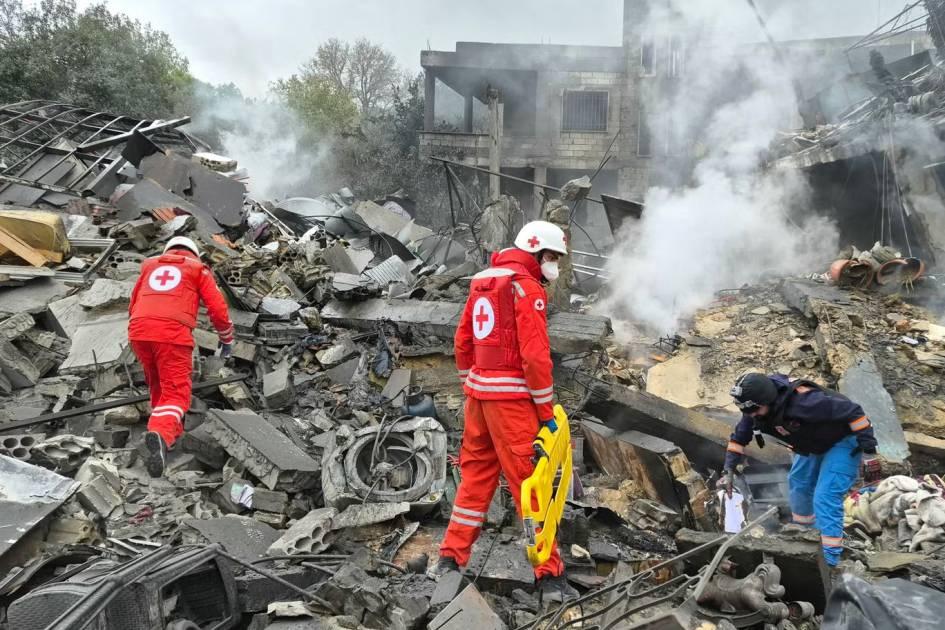
Anadolu Ajansı, also dated May 1, reported that “32 people were killed and 74 injured in the last 24 hours,” and it quoted the ministry’s daily report that “the total number of martyrs since March 2 has risen to 2,618, and the wounded to 8,094.”
Yeni Şafak similarly described the “past 24 hours” as including “32 deaths and 74 injuries,” and it stated that the total victims since early March were “2,618 killed and more than 8,000 wounded.”
Beyond casualties, Yeni Şafak and Anadolu Ajansı both emphasized displacement, with Yeni Şafak stating that “the number of displaced people has surpassed 1.6 million,” and Anadolu Ajansı saying that “Since March 2 of this year, Israel's continuing military aggression against Lebanese territory has displaced more than 1.6 million people, about one-fifth of the total Lebanese population.”
Anadolu Ajansı added that the fighting forced “more than 1.6 million people, about a fifth of the population,” and it described the areas affected by the aggression as including southern Lebanon, the Beqaa Valley, and the outskirts of Beirut.
Ceasefire tensions and regional signals
Several reports connect the casualty updates to the status of ceasefire arrangements and to broader regional developments.
SANA said the figures came “amid repeated violations by the Israeli occupation of the ceasefire agreement announced on April 16, which heightens tensions and threatens to undermine efforts to stabilize security in the region.”
In the same SANA account, the report placed the Lebanon escalation alongside other diplomatic and military signals, including that “Japan and South Korea protest North Korea's ballistic missile launches” and that “The United Nations welcomes the announcement of a peace agreement between Cambodia and Thailand.”
SANA also reported that “The Arab League: Doha Summit carries a message of full solidarity with Qatar against Israeli aggression,” and it added that “UAE defenses intercept 7 ballistic missiles and 27 Iranian drones.”
Yeni Şafak framed the Lebanon aggression as part of a wider regional posture, stating that “Israel continues its occupation of Palestinian territories and Syrian-occupied areas,” and it said Israel “insisting on rejecting withdrawal demands and denying the Palestinian people the right to establish their own independent state with its capital in Jerusalem.”
The Al-Quds Al-Arabi report added a ceasefire-specific detail by stating that the Israeli actions occurred “despite the ceasefire in place since April 17,” and it described the pattern as an ongoing aggression since March 2.
Airstrikes, offensives, and Hezbollah response
Al-Quds Al-Arabi described a high-tempo sequence of attacks and responses, citing multiple data streams including the Lebanese News Agency (NNA), the Health Ministry, Hezbollah, and Israeli and Hebrew-language media.
It said, “The Israeli occupation army carried out more than 34 military offensives against Lebanon yesterday, Friday, leaving more than 11 people dead as part of an ongoing aggression since March 2, despite the ceasefire in place since April 17.”

The same report stated that “Hezbollah responded by carrying out seven operations against Israeli targets in southern Lebanon,” specifying that it “targeted four gatherings and three armored vehicles.”
Al-Quds Al-Arabi also reported that “Tel Aviv acknowledged injuring four soldiers as a result of Hezbollah attacks in southern Lebanon and in the northern occupied territories.”
It further said that “The Lebanese agency noted that Israeli warplanes and unmanned aircraft conducted more than 34 strikes in southern Lebanon, in parallel with shelling.”
The Anadolu Ajansı report, for its part, described the operational context in terms of border penetration “to about 10 km into Lebanese territory along the southern border,” reinforcing the picture of sustained pressure across the frontier.
Stakes: accountability, displacement, and escalation risk
Across the reports, the stakes are framed through the scale of displacement, the persistence of attacks despite ceasefire dates, and the continuing occupation claims.
Yeni Şafak said the attacks “have intensified and the toll has risen,” and it linked the casualty updates to a displacement crisis, stating that “the number of displaced people has surpassed 1.6 million” and that “about one-fifth of the total Lebanese population” has been affected.

It also described the humanitarian consequences of the fighting by saying it “has forced hundreds of thousands from their homes in southern Lebanon, the Beqaa Valley, and the outskirts of Beirut, creating a severe humanitarian crisis added to the war's suffering.”
SANA, meanwhile, explicitly tied the situation to ceasefire stability, stating that repeated violations of the ceasefire agreement announced on April 16 “threatens to undermine efforts to stabilize security in the region.”
In the same SANA report, the Palestinian Center for the Defense of Prisoners said “the occupation escalated the arrest of women and girls in the recent period,” adding another dimension of risk beyond Lebanon’s immediate casualty figures.
Al-Quds Al-Arabi’s account of “more than 34 military offensives” and Hezbollah’s “seven operations” underscored how quickly the exchange can intensify even when a ceasefire is described as in place since April 17.
More on Gaza Genocide
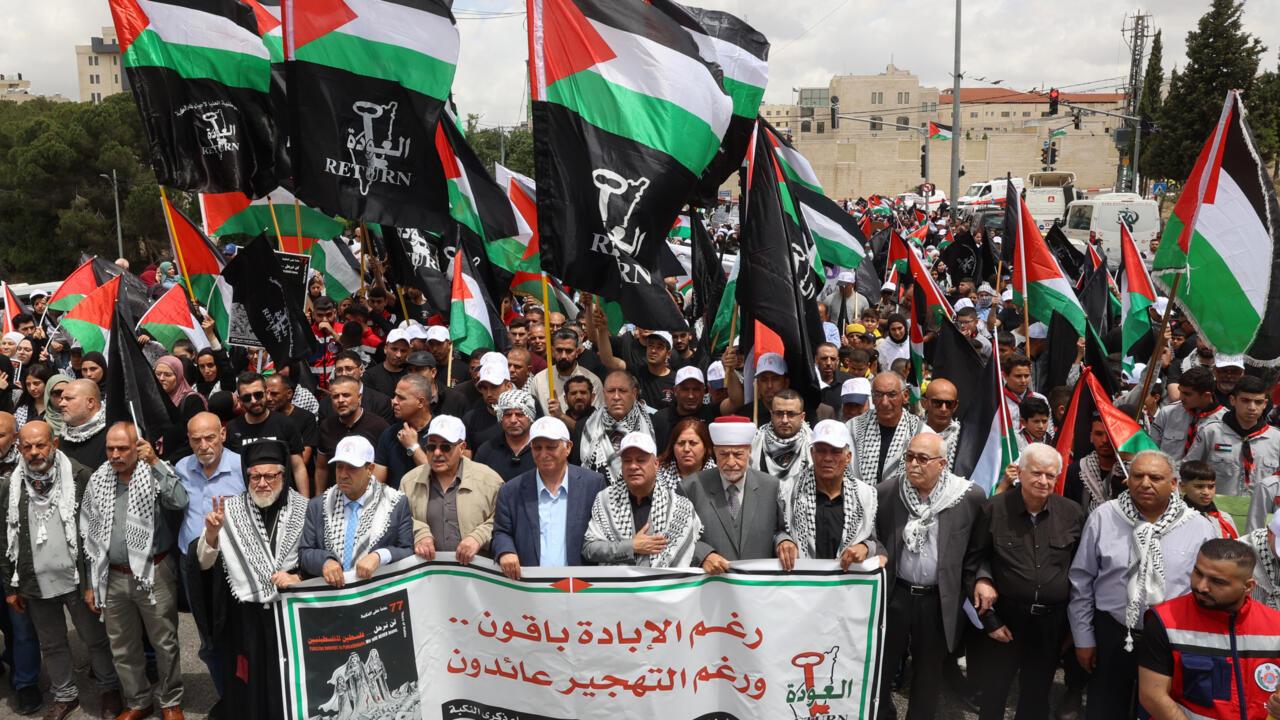
Palestinians Mark Nakba in Ramallah, Denounce Israel’s Gaza Conquest Operation and UNRWA Ban
11 sources compared

Gianni Infantino Fails To Orchestrate Handshake Between Israel And Palestine Football Chiefs
12 sources compared
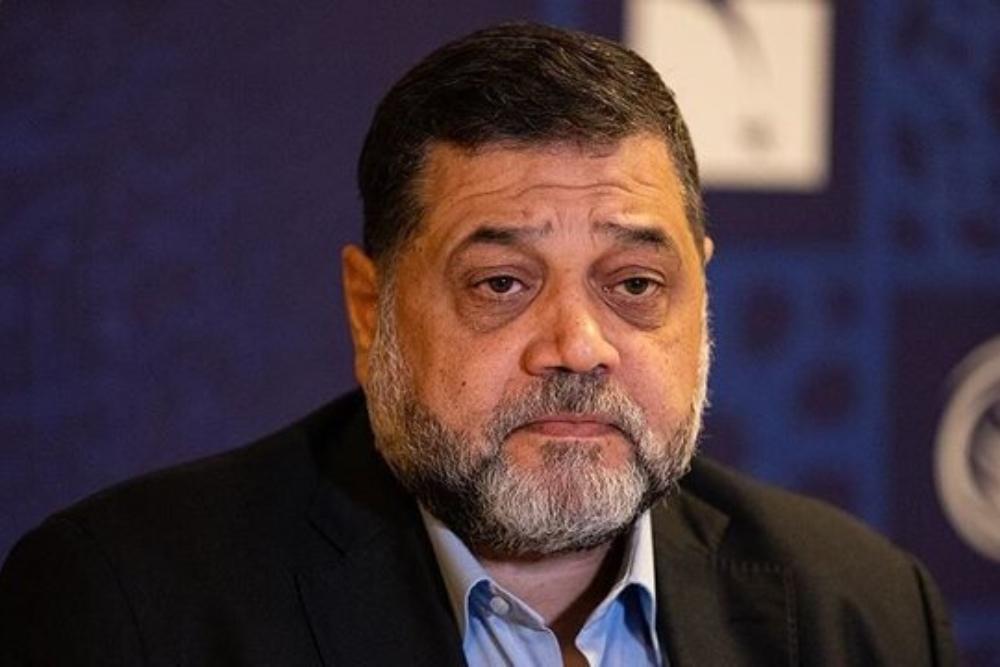
Hamas Says Israel Violates Gaza Ceasefire Every Day Since Sharm El-Sheikh Agreement
10 sources compared
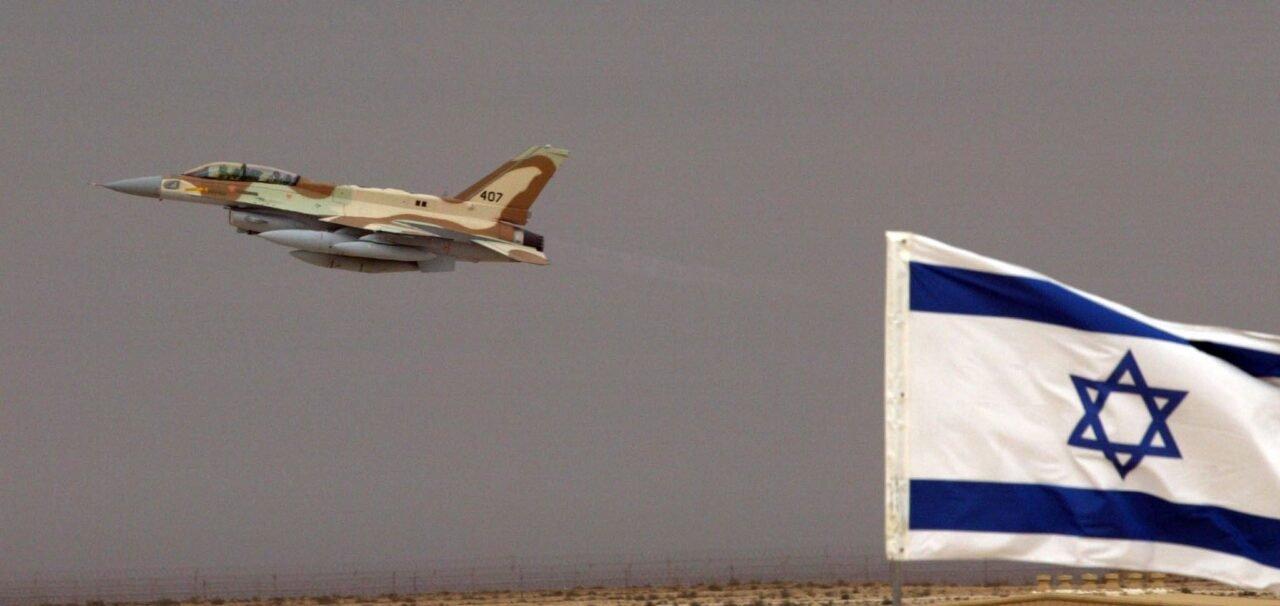
Israel Air Force Commander Tomer Bar Warns No Iran Nuclear Deal Would Be Major Failure
12 sources compared