
Israeli Authorities Approve 126 New Housing Units in Sanur Settlement Near Jenin
Key Takeaways
- Israeli Higher Planning Council approved 126 new housing units in Sanur near Jenin.
- Palestinian authorities condemned the move as illegal colonial settlement expansion.
- The plan signals ongoing settlement expansion in the northern West Bank.
126 Units Approved
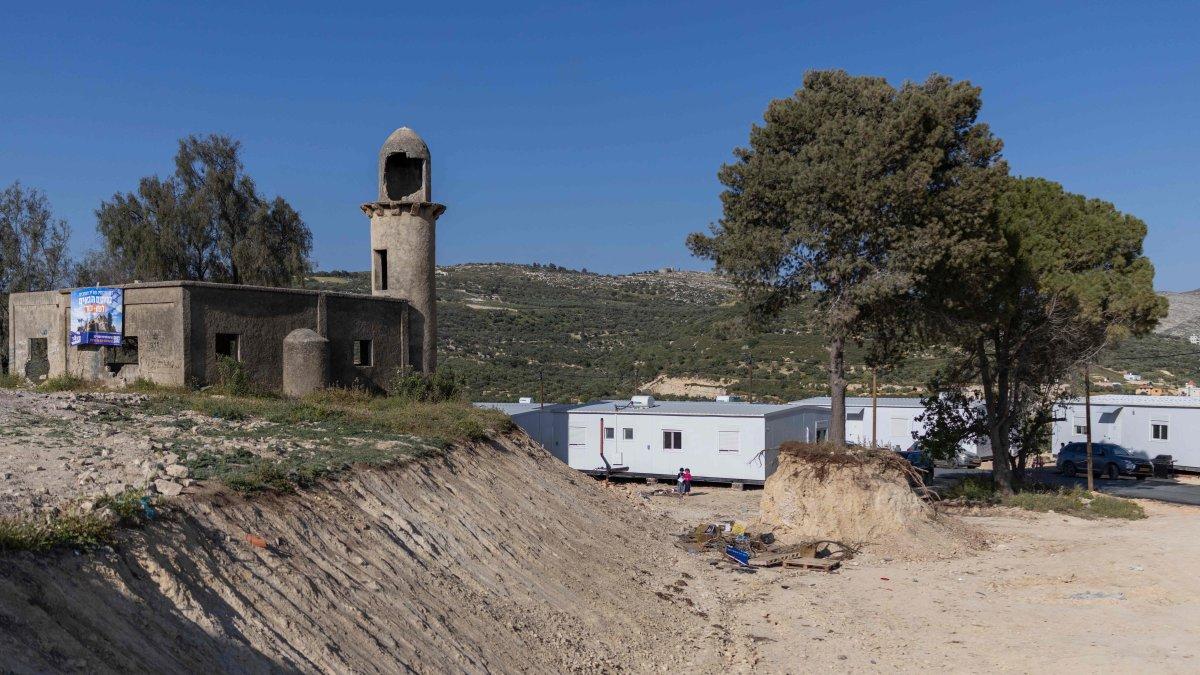
Israeli occupation authorities approved the construction of 126 new housing units in the Sanur colonial settlement in the northern occupied West Bank, according to multiple reports dated April 29, 2026.
“Israel has approved the construction of 126 settlement units in the northern West Bank's Jenin, Israeli media reported Wednesday, marking a renewed push to expand settlements in an area that was evacuated under Israel’s 2005 disengagement plan”
WAFA said the Ministry of Foreign Affairs and Expatriates condemned the approval of “126 new housing units” in Sanur, describing the settlement as “illegally established on lands in Jenin governorate.”
WAFA reported that the ministry said the move reflects “the Israeli government’s insistence on entrenching and systematically expanding colonial settlement activity across the occupied Palestinian Territory, including East Jerusalem.”
The Jordanian outlet Petra said the so-called Israeli Higher Planning Council approved a plan to build “126 new permanent units” in Sanur, “built on Palestinian-owned land near Jenin.”
Petra added that the Yediot Aharonot newspaper said the plan includes construction of “private homes” alongside new buildings around “a historic fortress” in the area.
Daily Sabah and Yeni Safak English both reported that Channel 12 said, “Twenty years after its evacuation, a plan has been approved to build 126 permanent homes in Sanur settlement.”
Daily Sabah further tied the approval to Israel’s 2005 disengagement plan, saying Sanur was evacuated under that plan and that the return marks a renewed push to expand settlements in the northern West Bank.
Disengagement and Expansion
The reports place the Sanur approval within a longer timeline that begins with Israel’s 2005 disengagement plan and extends to current settlement policy.
Daily Sabah said that under former Prime Minister Ariel Sharon, Israel evacuated its settlements in the Gaza Strip and parts of the West Bank in 2005, “including Sanur,” under a unilateral plan known as the “disengagement plan.”
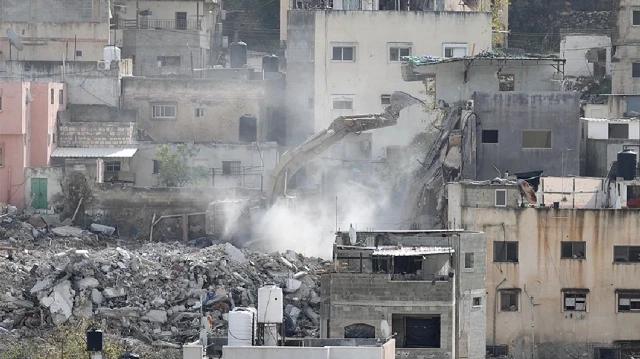
It then described the current decision as a renewed push to expand settlements in an area that was evacuated under that plan, saying the approval comes “Twenty years after its evacuation.”
Daily Sabah also reported that on Monday, the Israeli anti-settlement group Peace Now said the return to Sanur followed “legislative amendments by the current government to the 2005 disengagement plan,” allowing the lifting of restrictions on settlement building in the northern West Bank.
It added that Peace Now said the pace of approvals and planning in the case of Sanur was “exceptional,” reflecting the government’s determination to resume settlement activity in areas that had been evacuated for years.
Yeni Safak English similarly said the area was evacuated under Israel’s 2005 disengagement plan and that the approval represents a renewed push to expand illegal settlement activity in an area previously evacuated as part of that plan.
The WAFA and Sada News Agency statements framed the decision as part of a broader pattern of settlement entrenchment, with WAFA saying the ministry stressed that “Israel, the occupying power, has no sovereignty over the occupied Palestinian Territory.”
Voices and Condemnations
The sources include direct statements from Palestinian officials and Israeli political figures, alongside claims from anti-settlement actors.
“Israel approves 126 new settlement units in northern West Bank Israeli authorities have approved the construction of 126 illegal settlement units in Sanur, near Jenin in the northern West Bank”
WAFA quoted its Ministry of Foreign Affairs and Expatriates as stressing that “Israel, the occupying power, has no sovereignty over the occupied Palestinian Territory,” and that “all settlement activities, including the re-establishment of outposts illegally built on Palestinian citizens’ lands, land theft and settlement expansion, are illegal, null and void.”
It also said the ministry called on the international community “to assume their legal and moral responsibilities and take urgent and binding measures to halt Israeli settlement activity, including imposing sanctions.”
Daily Sabah quoted Yossi Dagan, head of the regional council representing settlements in the northern West Bank, saying Sanur “will be rebuilt,” and adding, “It will include 126 permanent homes and in the future it will become a city in Israel.”
Daily Sabah also reported that Israel’s Far-right Finance Minister Bezalel Smotrich welcomed the new settlement building, calling it “a message to enemies that we are here to stay.”
On the Palestinian side, Daily Sabah quoted Rawhi Fattouh, chairman of the Palestinian National Council, denouncing the Israeli decision as a “dangerous escalation” and a “blatant violation of international law and international legitimacy resolutions.”
Petra added additional local context by quoting Osama Makhamra, an anti-settlement activist, saying troops “tore down a 90-square-meter house, home to 10 people, and a water well owned by a local resident.”
Parallel Actions Across the West Bank
Beyond the Sanur housing approval, Petra described other actions by Israeli occupation forces and authorities in occupied Jerusalem and the West Bank on April 29.
Petra said that in occupied Jerusalem, Israeli occupation forces issued demolition orders for homes in Silwan neighborhood, “south of Al Aqsa Mosque,” and that occupation authorities posted demolition orders for Palestinian homes in the Ras al-Amud quarter of Silwan “for failure to obtain licenses from the Israeli municipality.”
It also reported that Israeli army bulldozers destroyed “a house and a water well near Yatta, south of Hebron in the occupied West Bank.”
Petra quoted Osama Makhamra as saying troops stormed the area east of Yatta and tore down “a 90-square-meter house, home to 10 people, and a water well owned by a local resident.”
Petra further stated that “25 Palestinians, including former prisoners and a woman, were arrested during Israeli army raids across the West Bank,” and that the raids “triggered clashes with local youths,” as described by the Palestinian Prisoners Club.
Daily Sabah and Yeni Safak English did not focus on these demolition and arrest details, but they did situate the settlement approval within a broader environment of regional tensions.
Daily Sabah said the approval came “amid heightened regional tensions following the Iran war and the closure of the Strait of Hormuz,” and it also referenced warnings of annexation and intensified attacks across the West Bank.
Framing and Stakes
The sources frame the Sanur decision and its wider implications in sharply different ways, and they also describe what comes next in terms of international action and legal responsibility.
“SadaNews - The Ministry of Foreign Affairs and Expatriates condemns in the strongest terms the Israeli colonial occupation authorities' approval of the construction of 126 new settlement units in the "Sanour" settlement built on the lands of Jenin Governorate in the northern occupied West Bank, reflecting the current Israeli government's insistence on entrenching and systematically expanding settlements in the occupied Palestinian territory, including East Jerusalem”
WAFA and Sada News Agency both present the approval as part of an illegal expansion that “constitute[s] a flagrant violation of international law and relevant UN resolutions,” with WAFA saying the ministry called on the UN Security Council and the High Contracting Parties to the Geneva Conventions to take “urgent and binding measures.”
WAFA also insisted that “all Israeli settlement measures in the occupied Palestinian Territory, including the West Bank and East Jerusalem, are rejected and condemned and will not create any legal validity,” and that “this land will remain occupied Palestinian territory until the end of the occupation and the establishment of an independent Palestinian state, with East Jerusalem as its capital.”
In contrast, Daily Sabah and Yeni Safak English emphasize the Israeli political and settlement-development narrative, quoting Channel 12’s line that “Twenty years after its evacuation, a plan has been approved to build 126 permanent homes in Sanur settlement,” and quoting Yossi Dagan that Sanur “will be rebuilt.”
Daily Sabah also reports that Smotrich called the approval “a message to enemies that we are here to stay,” and it describes the government of Prime Minister Benjamin Netanyahu as accelerating illegal settlement activity since taking office in December 2022.
Daily Sabah adds that the United Nations considers the occupied Palestinian territory, including East Jerusalem, as occupied Palestinian territory, and it says about 750,000 Israeli occupiers live in hundreds of settlements in the occupied West Bank, including around 250,000 in East Jerusalem, “according to Palestinian sources.”
It also states that since Oct. 7, 2023, Israeli forces and occupiers have intensified attacks across the West Bank, “killing more than 1,100 Palestinians and injuring about 12,000 others,” linking the settlement approval to a broader escalation described by the same outlet.
More on Gaza Genocide

Israel Kills Hind Rajab and Family as They Try to Flee Gaza City
14 sources compared

UK Appeals High Court Ruling That Found Palestine Action Ban Unlawful And Disproportionate
11 sources compared

Israel Intercepts Global Sumud Flotilla Aid Boats West of Crete in International Waters
39 sources compared
Palestinians Vote In Deir Al-Balah And West Bank Municipal Elections After Hamas Exclusion
21 sources compared