
Israeli Authorities Force Two Palestinians in Jerusalem to Self-Demolish Homes
Key Takeaways
- Israeli authorities forced two Jerusalem residents to self-demolish their homes under permit pretext.
- Sami Al-Hashlamoun Al-Ayyoubi was ordered by Israeli municipality to demolish his Al-Suwana home.
- The self-demolitions reflect a broader pattern of Palestinian displacement through permit-based demolition in Jerusalem.
Self-Demolition Orders
Israeli occupation authorities forced two Palestinian citizens of Jerusalem to demolish their homes themselves under the pretext of building without a permit, according to the Jerusalem Governorate and WAFA.
“Israeli occupation authorities demolished thirteen Palestinian residential and agricultural structures on Wednesday across several areas of occupied Jerusalem, continuing the long‑standing policy of displacing Palestinians under the pretext of “building without a permit”
WAFA reported that on Saturday, April 18, 2026, Sami Al-Hashlamoun Al-Ayyoubi was compelled to demolish his home in the Al-Suwana neighborhood after an order issued by the Israeli municipality, citing construction without a permit.
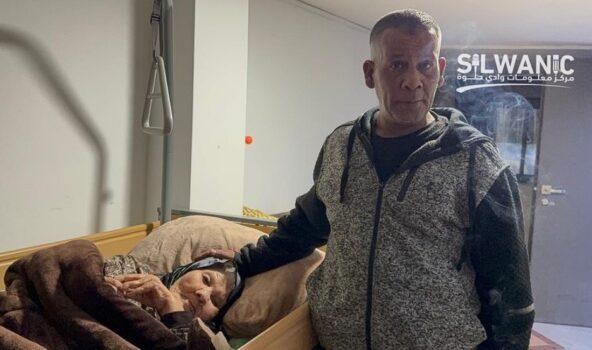
The house measured about 70 square meters and was built in 2016, while Al-Ayyoubi said the Israeli municipality imposed high fees to obtain a permit that he could not afford.
WAFA added that he was also required to pay a monthly fine of 700 shekels for three years before a final demolition order was issued, forcing him to carry out the demolition himself to avoid the high costs of municipal demolition and to protect his grandfather’s house located beneath the structure, which has stood since 1936.
The Jerusalem Governorate also said Israeli authorities forced another Palestinian citizen, Wael Hashem Jalajel, to demolish his home in the Al-Bustan neighborhood, south of Al-Aqsa Mosque.
In that case, WAFA reported the house measured about 140 square meters, consisted of two apartments housing a family of eight members, and Jalajel was compelled to demolish the home himself to avoid heavy financial fines that would have been imposed if Israeli municipal crews had carried out the demolition.
The Jerusalem Governorate said forcing Palestinian residents to self-demolish their homes is part of an ongoing policy aimed at targeting the Palestinian presence in the city and imposing strict restrictions on construction.
Bulldozers and Fines
Beyond forced self-demolitions, other reports described Israeli municipal crews demolishing Palestinian structures across occupied Jerusalem, continuing what multiple sources framed as a displacement policy.
IMEMC News said Israeli occupation authorities demolished thirteen Palestinian residential and agricultural structures on Wednesday across several areas of occupied Jerusalem, describing it as continuing the long-standing policy of displacing Palestinians under the pretext of “building without a permit.”
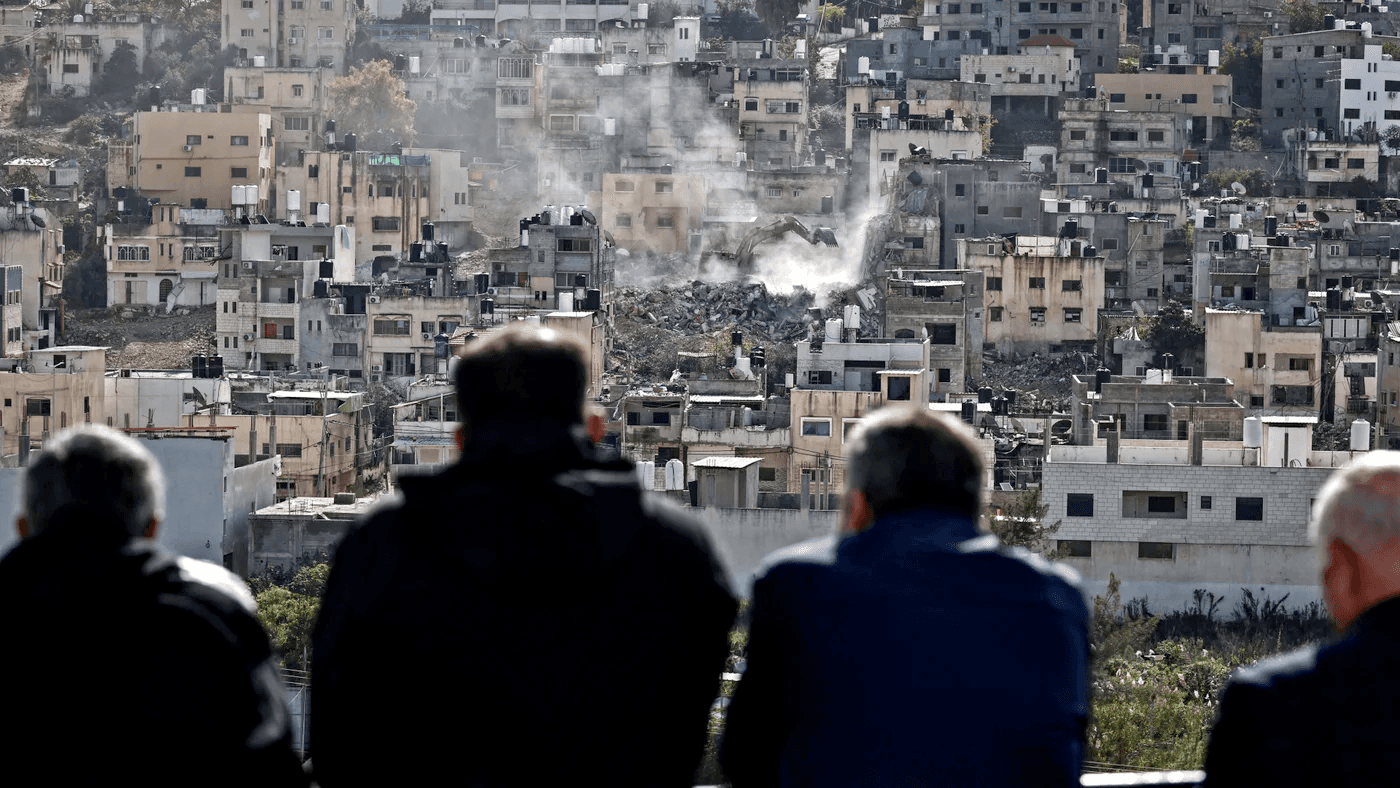
IMEMC reported that the Jerusalem Governorate said Israeli municipal crews demolished the home of elderly Jerusalemite Saleh Dweik in the Al-Bustan neighborhood of Silwan, and that the 110-square-meter home built in 1998 housed a family of four.
IMEMC added that since 2024, the municipality had imposed a monthly fine of 500 shekels on Dweik, ordering him to continue paying it until 2030 even after the demolition of his home, and that Dweik suffers from cancer and previously worked as a guard at the Al-Aqsa Mosque for twenty years.
IMEMC also described demolitions in Ar-Ram, north of Jerusalem, where Israeli forces demolished a horse stable in the Al-Aqbat neighborhood, and in Rawabi area of Al-‘Isawiya where bulldozers targeted homes and structures belonging to multiple Palestinian residents including Mazen Muheisin and Mohammad Jom’a.
The same IMEMC report said Israel issued a demolition order targeting a residential building owned by the Qweider family in the Al-Bustan neighborhood of Silwan, constructed in 1970 and housing eleven Palestinians including children, elderly residents, and persons with special needs.
Le Figaro, meanwhile, described a separate demolition early Monday in Silwan near the Old City, saying three Israeli municipal bulldozers gradually destroyed the façades of a four-story building housing about a dozen Palestinian families on the grounds it had been built without permits.
Voices From the Ground
Accounts from residents and observers emphasized the immediacy of the demolitions and the disruption faced by families in East Jerusalem.
Le Figaro quoted Eid Shawar, 38, a father of five, describing how he was awakened by police who broke down his door to carry out the evictions, and he said, "They told us to change and take only papers and important documents. We were not allowed to take our furniture."
He called the situation, "This is a tragedy," and the article placed his remarks alongside the description that nearly a hundred Palestinians, including women, children and the elderly, live in the four-story building being demolished in Silwan.
Le Figaro also reported that Palestinian authorities denounced the demolition as "a systematic policy of forcible displacement," and it said the Jerusalem Governorate condemned in a statement "a systematic policy of forcible displacement of Palestinian citizens, aimed at emptying the city of its original inhabitants."
In parallel, IMEMC News described the case of elderly Jerusalemite Saleh Dweik, noting that he suffers from cancer and previously worked as a guard at the Al-Aqsa Mosque for twenty years, while also detailing the municipality’s monthly fine of 500 shekels since 2024.
IMEMC further described the Qweider family’s situation, saying the building houses eleven Palestinians including children, elderly residents, and persons with special needs, and that 97-year-old Yosra Qweider is bedridden and has no alternative place to go.
WAFA and the Jerusalem Governorate framed the self-demolition cases as part of a policy aimed at targeting Palestinian presence, with WAFA stating that Al-Ayyoubi was forced to demolish to avoid high costs of municipal demolition and to protect his grandfather’s house that has stood since 1936.
How Outlets Frame the Same Policy
The sources described overlapping events in Jerusalem and Silwan, but they framed the actions through different emphases, from the mechanism of “self-demolish” orders to the scale of bulldozer operations and the legal grounds cited by municipal authorities.
WAFA focused on two specific cases and explained that Israeli occupation authorities forced residents to demolish their homes themselves under the pretext of building without a permit, detailing the Al-Suwana and Al-Bustan neighborhoods and the permit and fine burdens faced by Sami Al-Hashlamoun Al-Ayyoubi and Wael Hashem Jalajel.

The Yaffa News Network similarly described the Jerusalem Governorate’s account, stating that authorities forced two Palestinian families to self-demolish their homes in Jerusalem and Silwan under the pretext of building without a permit, and it specified that Al-Ayoubi was compelled to tear down his 70-square-meter home built in 2016.
IMEMC News, by contrast, emphasized the broader demolition campaign, saying Israeli occupation authorities demolished thirteen Palestinian residential and agricultural structures on Wednesday and listing multiple locations including Al-Bustan, Ar-Ram, Al-Aqbat, and Al-‘Isawiya.
Le Figaro centered on a single early Monday demolition in Silwan near the Old City, describing three municipal bulldozers destroying the façades of a four-story building and quoting an AFP photographer, while also reporting that the Jerusalem municipality said the building had been "constructed without permits" and was subject of a "judicial demolition order" since 2014.
Le Figaro also added that the land was intended for "recreational and sporting" use, not residential, and it reported that the demolition took place 'without notice,' a few hours before a meeting between the residents' lawyer and an official from the Israeli Jerusalem municipality.
In the IMEMC account, the policy was framed through the consequences of fines and deadlines, including the Qweider family being given eleven days to self-demolish or face excessive fines, fees, and possible imprisonment.
What Comes Next
The sources portrayed the demolitions as part of an ongoing policy with continuing legal and financial pressure on Palestinian residents, and they described immediate next steps for families facing deadlines.
In the WAFA account, the Jerusalem Governorate said forcing Palestinian residents to self-demolish their homes is part of an ongoing policy aimed at targeting the Palestinian presence in the city and imposing strict restrictions on construction, and it tied the self-demolition mechanism to permit fees and monthly fines.
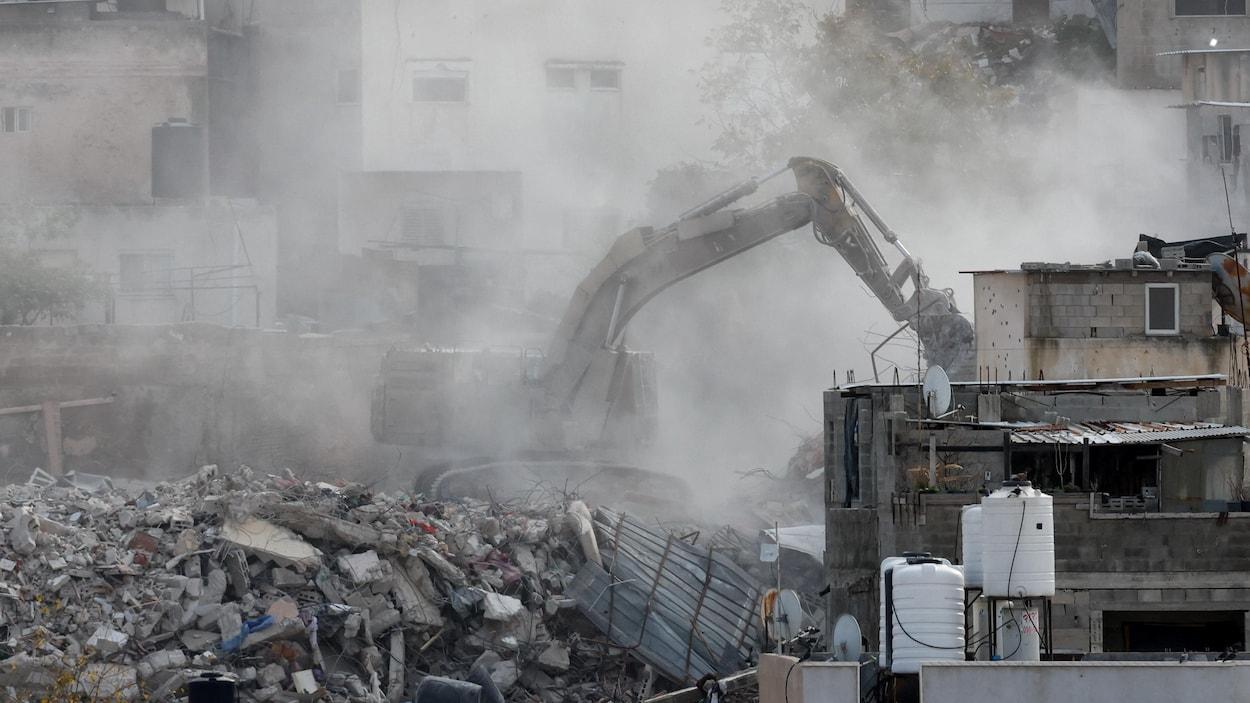
In the IMEMC report, the Qweider family was given eleven days to self-demolish the building or face excessive fines, fees, and possible imprisonment, in addition to the full demolition costs if the municipality carries out the demolition using its crews and equipment.
IMEMC also reported that the family had already begun demolishing the two upper floors, inhabited by Mahmoud and his brother Abed and their families of five, while also noting that 97-year-old Yosra Qweider is bedridden and has no alternative place to go.
Le Figaro described that the demolition took place 'without notice,' a few hours before a meeting between the residents' lawyer and an official from the Israeli Jerusalem municipality to discuss possible measures for regularizing the building, and it said the municipality later explained the building had been subject to a judicial demolition order since 2014.
Le Figaro further reported that the Jerusalem Governorate condemned the demolition as a systematic policy of forcible displacement, and it said the UN regards the annexation of East Jerusalem as illegal and does not recognize Jerusalem as the capital of Israel.
The same Le Figaro article placed the demolitions within the wider conflict over Jerusalem, stating that tensions intensified since October 7, 2023, the date of the bloody attack by Hamas on Israeli soil that triggered the devastating war in the Gaza Strip.
More on Gaza Genocide
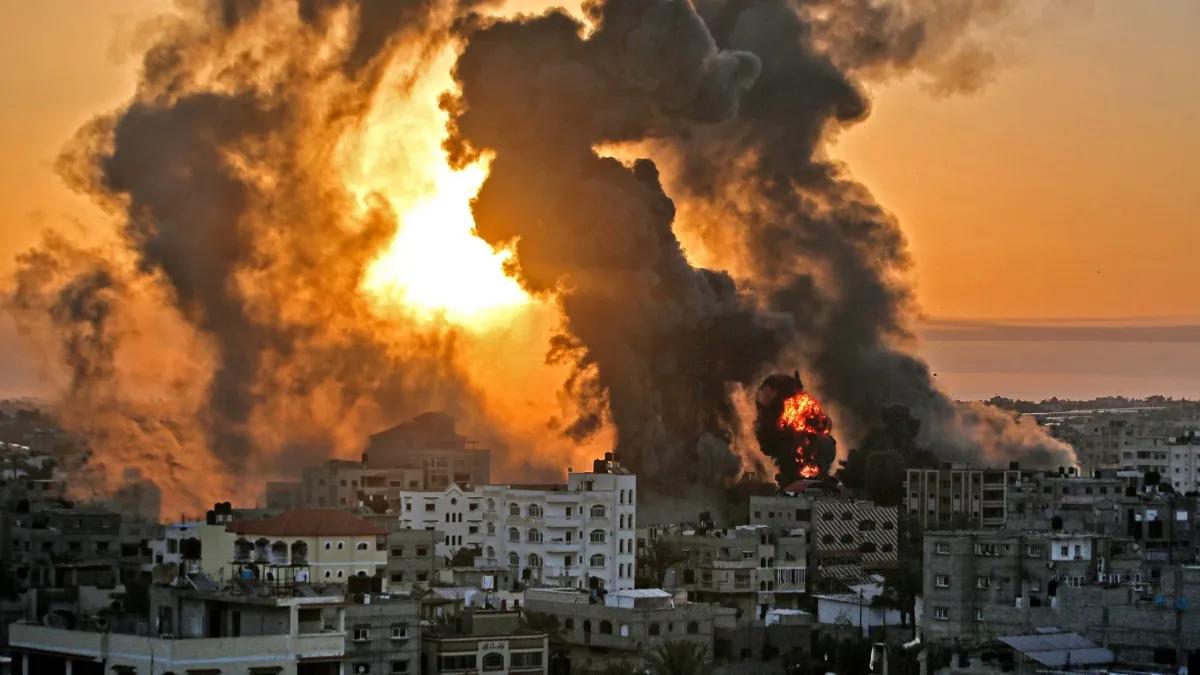
Israeli Attacks Push Gaza Death Toll to 72,551, Injuries Reach 172,274
10 sources compared

EU Foreign Ministers Postpone Sanctions Against Israel Over Gaza and West Bank
11 sources compared
UNICEF Outraged After Israeli Forces Kill Two Water Truck Drivers in Northern Gaza
19 sources compared
Trump’s Gaza Peace Council Talks Paused After US-Iran War Breaks Out
10 sources compared