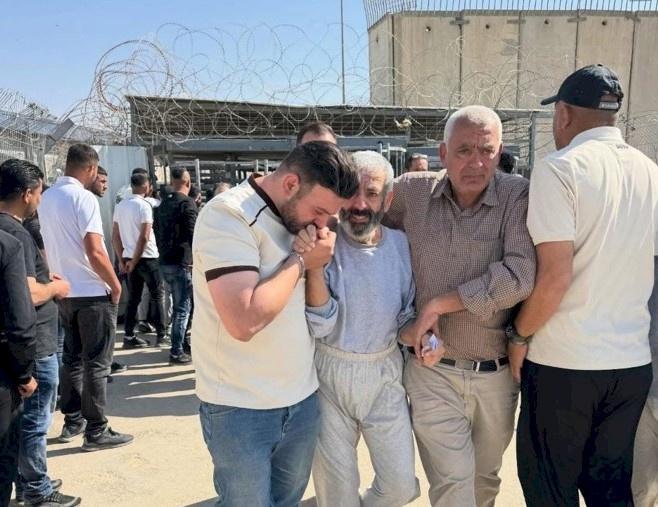
Israeli Authorities Release Palestinian Journalist Ali Al-Samoudi After Yearlong Detention
Key Takeaways
- Ali Al-Sammoudi released after a year in administrative detention.
- Released with severe weight loss due to detention conditions.
- Palestinian Journalists Syndicate warned of imminent death risk in detention.
Release After a Year
Palestinian journalist Ali Al-Samoudi was released from Israeli prison on Thursday evening, after an entire year of arbitrary detention without charges or trial, according to WAFA and other reports.
“The Palestinian Journalists Syndicate warns about the detention conditions of their colleague Ali Al-Samoudi, whose health has dangerously deteriorated”
WAFA said the Israeli occupation authorities released Al-Samoudi, 59, “on Thursday evening following a year of arbitrary detention without charges or trial,” and that he appeared with “significantly altered physical features” including “severe weight loss attributed to systematic starvation practices within Israeli detention camps.”
The Palestinian Prisoner’s Society, as quoted by WAFA, cited “repeated abuse, torture, denial of basic rights, and frequent transfers accompanied by assaults during his detention.”
A West Asian report from Sada News Agency said Israeli occupation authorities released Al-Samoudi “from Jenin this evening,” after “an entire year of arbitrary detention,” adding that he emerged “in a completely different state” due to “severe weight loss resulting from the systematic starvation crime.”
Haaretz described the release in terms of conditions inside prison, saying a “veteran Palestinian journalist arrested in April 2025 and held in administrative detention without trial was released Thursday from Nafha Prison.”
Modern Ghana’s repost of an Al Jazeera clip said Al-Samoudi was released “with severe weight loss, showing signs of torture and severe mistreatment,” and that his family said he was “held without charge and feared he would die in custody.”
Health Claims and Detention
Multiple reports framed Al-Samoudi’s release and prior detention through claims of deteriorating health and medical neglect, while also describing the legal mechanism of administrative detention.
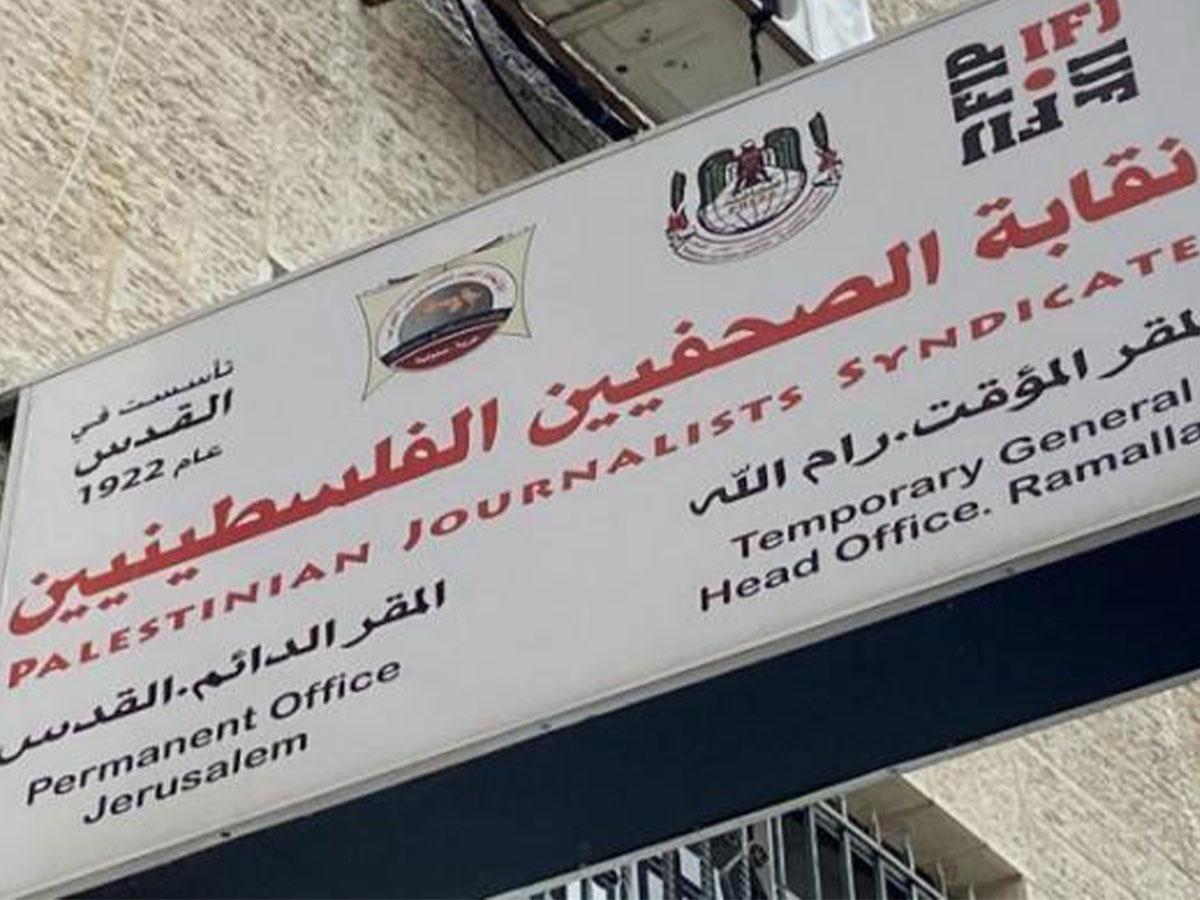
AL24 News said the Palestinian Journalists Syndicate warned of “the deterioration of Palestinian journalist Ali Al-Samoudi's health and the inhumane conditions of his detention in Zionist prisons,” and that the Syndicate said he was “in imminent danger of death.”
AL24 reported that “the occupying authorities have just extended his administrative detention by an additional four months,” and it listed health problems including “scabies, diabetes, hypertension, stomach ulcers, ongoing gingival bleeding, sudden spikes in heart rate, recurrent fainting episodes, chronic headaches, urinary infections, and problems with his left ear.”
Agence Media Palestine similarly warned that “The journalist Ali Al-Samoudi risks death,” and it said administrative detention allows Israeli authorities to imprison Palestinians “for 'security reasons' without having to justify them.”
That report also stated that Al-Samoudi was detained in “Israel's Megiddo detention center, infamously notorious,” and it described the center’s conditions as including “Famine, overcrowding, hygiene problems, and deprivation of food.”
WAFA, meanwhile, said the Palestinian Prisoner’s Society renewed its call for “the immediate release of all detained journalists” and called for “the disclosure of the fate of journalists from Gaza who are being held under conditions of enforced disappearance,” tying Al-Samoudi’s case to broader detention and disappearance concerns.
Scale of Administrative Detention
Beyond Al-Samoudi, the sources situate his case within a wider system of administrative detention affecting thousands of Palestinians and a separate category of journalists.
“Gift this articleShare to FacebookPrint article Article printing is available to subscribers only Print in a simple, ad-free format Subscribe Comments: SaveZen Reading Zen reading is available to subscribers only Ad-free and in a comfortable reading format Subscribe”
WAFA said the Palestinian Prisoner’s Society noted that Al-Samoudi is “among more than 3,530 administrative detainees currently imprisoned by Israel without charges or trial,” and it added that there are “over 40 journalists, including four women, who remain in custody.”
Agence Media Palestine cited a census by Adaameer in November and said “3,368 Palestinians are held under this provision, i.e., without indictment or trial, for a duration renewable indefinitely,” describing it as “a practice widely condemned by human rights organizations.”
The same Agence Media Palestine report said the Palestinian Journalists Syndicate called administrative detention against journalists “systematic,” aiming to “'silence the Palestinian voice and erase the truth.'”
Sada News Agency similarly said Al-Samoudi is one of “over 3,530 administrative detainees,” and it stated that “more than 40 journalists” are still detained, including “four female journalists.”
In addition to detention numbers, WAFA reported a death toll for journalists, saying “more than 260 journalists killed since the beginning of the ongoing Israeli aggression in October 2023,” while AL24 News cited a different figure for journalists killed in 2025 and a total since the start of “the genocide perpetrated by this entity in Gaza.”
Voices Calling for Release
The sources include direct warnings and calls for action from Palestinian journalist organizations, and they also describe how those groups connect Al-Samoudi’s case to press freedom and international responsibility.
AL24 News said the Palestinian Journalists Syndicate “reiterates its call for the immediate and unconditional release of Ali Al-Samoudi and for guarantees that he receive urgent and adequate medical care,” and it described the detention conditions as “hard and inhumane, in violation of international conventions.”

Agence Media Palestine likewise said the Syndicate “reiterates its call for the immediate and unconditional release of Ali Al-Samoudi and demands guarantees that he receive urgent and adequate medical care,” while also denouncing “beatings and humiliations suffered by Al-Samoudi at Megiddo prison.”
WAFA reported that the Palestinian Prisoner’s Society “renewed its call for the immediate release of all detained journalists” and “called on the United Nations and international institutions to assume their legal and humanitarian responsibilities,” urging “concrete action” rather than “issuing statements and warnings.”
In Modern Ghana’s repost of an Al Jazeera clip, the family’s position was that Al-Samoudi was “held without charge and feared he would die in custody,” linking the release to the fear of death in detention.
AL24 News also included a statement from Palestinian journalist Shuruq As'ad, saying, “In response, Western media stay quiet and forget us. It is a huge disappointment. But we will not stop informing, and denouncing both Israel's silencing efforts and the international silence.”
Different Detention Details
While the sources agree on Al-Samoudi’s release and on claims of severe weight loss and mistreatment, they diverge on specific detention details and the framing of his case.
“RAMALLAH, April 30, 2026 (WAFA) – Israeli occupation authorities released Palestinian journalist and detainee Ali Al-Sammoudi, 59, on Thursday evening following a year of arbitrary detention without charges or trial”
Haaretz said he was “released Thursday from Nafha Prison,” while Agence Media Palestine said he was detained in “Israel's Megiddo detention center, infamously notorious,” and Sada News Agency said he was released “from Jenin this evening.”
WAFA described his release as coming “on Thursday evening following a year of arbitrary detention without charges or trial,” and it said he appeared with “severe weight loss attributed to systematic starvation practices within Israeli detention camps,” but Modern Ghana’s repost emphasized that his family feared he would “die in custody.”
The sources also diverge in how they quantify the broader context: WAFA said “more than 260 journalists killed since the beginning of the ongoing Israeli aggression in October 2023,” while AL24 News cited “at least 55 journalists” murdered in 2025 and a total of “257” since the start of “the genocide perpetrated by this entity in Gaza.”
On the legal timeline, AL24 News said authorities “have just extended his administrative detention by an additional four months,” whereas WAFA and Sada News Agency described the release after “a year of arbitrary detention without charges or trial,” without repeating the extension detail.
Even within the same theme of administrative detention, Agence Media Palestine cited Adaameer’s November census of “3,368 Palestinians,” while WAFA and Sada News Agency both used “more than 3,530 administrative detainees,” showing different figures for the same category.
More on Gaza Genocide

Israeli Forces Kill 16-Year-Old Palestinian Ibrahim Al-Khayyat in Hebron Raid
13 sources compared

Israeli Forces Intercept Global Sumud Flotilla, Seize 22 Aid Boats and Detain 175 Activists Near Crete
65 sources compared
Israeli Attacks Continue in Lebanon as Joseph Aoun Condemns Violations Despite Ceasefire
20 sources compared

UK Court Finds Palestine Action Ban Illegal as Shabana Mahmood Appeals
24 sources compared