Full story
Ali al-Taher Strikes
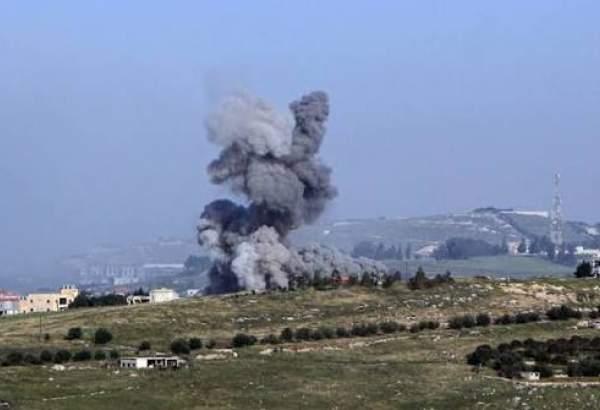
Israeli warplanes and artillery hit the Ali al-Taher area in South Lebanon, with Al-Manar reporting that Israeli warplanes raided Al-Mansouri town with two missiles.
“Israeli warplanes raid Al-Mansouri town, South Lebanon, with two missiles”
Mehr News Agency said Israeli forces intensified air and artillery strikes on southern Lebanon overnight and into Monday, bombing the Ali al-Taher heights in the Nabatieh district and setting olive groves ablaze.
Mehr News Agency reported that Lebanese media said Israeli troops set fire to olive groves in Yaron in the Bint Jbeil district, while the town of Hadatha and the surrounding area of Mansouri were also targeted by artillery and airstrikes.
RFI reported that the Israeli army carried out new attacks in southern Lebanon on Saturday and said it killed several members of the pro-Iranian Hezbollah movement in the Ali al-Taher ridge area despite the ceasefire.
Phosphorus Bomb Allegations
Ilke Haber Ajansi said the occupying forces targeted the Ali al-Tahir heights with phosphorus bombs despite the ceasefire, describing the strikes as continuing in parallel with diplomatic talks aimed at stabilizing the truce and the withdrawal of occupation forces.
Ilke Haber Ajansi added that Lebanese sources reported the Ali al-Tahir heights were struck with phosphorus bombs, and it cited reports that the heights were shelled by Israeli artillery on August 10.

Naharnet reported that Israeli drones targeted the Kafra-Assi road, Beit Yahoun and al-Mansouri, injuring several people, and said that in Zawtar al-Sharqiyeh, Haddatha, Beit Yahoun, Wadi touline and Wadi Slouqi Israeli forces carried out demolitions.
Naharnet also said Israeli twin strikes on Nabatieh killed one person on Tuesday and damaged an ambulance, while artillery shelled Kfar Remman overnight into Wednesday.
Wildfires and Ecological Damage
The Guardian reported that firefighters and residents of south Lebanon accused the Israeli military of lighting wildfires in the region, as forested areas burned in blazes sparked by Israeli bombing.
“"Most of our missions are now related to fires," Fakih said”
The Guardian quoted Hussein Fakih, head of the civil defence in the Nabatieh region, saying, "Most of our missions are now related to fires," and it added that he said around 30-40% of the land close to the frontline had been affected by fires.
The Guardian also reported that Fakih said, "They started doing this right after the ceasefire, and there have been incendiary bombs every day," and it described small drones dropping incendiary materials and white phosphorus shells fired at woodlands.
The Guardian said firefighters were required to coordinate their movements with the Lebanese army, which relays requests to a “deconfliction” group that includes the Israeli military, and it reported that they were given permission to fight the fires at only two spots.