
Israeli Forces And Hezbollah Begin 10-Day Lebanon Cease-Fire As Violations Reported
Key Takeaways
- A 10-day Israel-Lebanon ceasefire began.
- Lebanese army accused Israel of intermittent shelling in southern Lebanon, violating the ceasefire.
- Hezbollah did not commit to abiding by the ceasefire and warned of retaliation.
Ceasefire, then uncertainty
A 10-day cease-fire between Israeli forces and Hezbollah went into effect at midnight on Friday morning in Lebanon, but multiple outlets described uncertainty about whether the truce would hold.
The New York Times reported that “a 10-day cease-fire went into effect at midnight on Friday morning in Lebanon,” pausing fighting between Israeli forces and the militant group Hezbollah, which it described as “Iran’s most powerful proxy.”

The same report said Israeli and Lebanese officials confirmed they would implement the truce, first announced by President Trump after a diplomatic push by the U.S. government earlier in the day, while Hezbollah acknowledged the cease-fire in statements that did not directly address whether it would abide by it and said its actions would be “based on how developments unfold.”
CBS News said the ceasefire began at “5 p.m. Thursday” and that it was “mostly intact in Lebanon early Friday,” while also noting it remained unclear whether Israel and Hezbollah would completely stop strikes and whether the Lebanese armed forces could quell the powerful group.
The Lebanese army posted on social media that there had been “a number of violations of the agreement, with several Israeli attacks recorded, in addition to intermittent shelling targeting a number of villages.”
CNN similarly described that after the ceasefire took effect, the Lebanese army accused Israel of violating it, alleging intermittent shelling in the south.
In parallel, the ceasefire was described as removing “a major obstacle to peace talks between the United States and Iran,” but the New York Times warned that fighting between Israel and Hezbollah had “threatened to upend the two-week cease-fire between the United States and Iran, which is set to expire next week.”
Trump’s claims vs Iran’s denial
While the Lebanon cease-fire was being tested, the U.S.-Iran negotiation track remained defined by competing public claims about uranium and timing.
The Times of India said Iran mocked U.S. President Donald Trump’s claims of a breakthrough, dismissing them as “building castles in the air,” after IRIB shared a video of Trump saying, “I think we have a very successful negotiation going on right now.”

The Times of India also quoted Trump saying, “If it happens, it'll be announced fairly soon, and that'll give us free oil, free Hormuz Strait, everything will be nice,” and it described Iran’s response as a proverb about “unrealistic or far-fetched hopes.”
The Washington Post reported that Trump said Iran agreed to hand over “nuclear dust,” adding that “Iran has not confirmed Trump’s claim,” and it framed the claim as a step toward reducing Tehran’s ability to produce a nuclear weapon.
The Times of Israel reported that Trump said a second round of talks with Iran “could take place this weekend” and that he hoped a temporary extension of a two-week truce set to expire on April 21 would not be necessary.
CNN described Trump’s optimism and said he voiced confidence that a deal with Tehran would come soon, while also reporting that U.S. officials said troops were “rearming” and stand ready to resume combat if Iran negotiations fail.
Iran’s pushback was also described as direct in multiple outlets: PGurus and News18 both said IRIB ridiculed Trump’s “free oil” remarks and used the proverb “The camel dreams of cottonseed; sometimes gulping it down, sometimes eating it grain by grain!” while ABP News said Iranian officials and sources denied any uranium transfer talks occurred and called Trump’s narrative “another lie.”
Diplomacy in Pakistan, pressure at sea
Multiple reports tied the negotiation process to Pakistan while describing ongoing pressure around the Strait of Hormuz.
The New York Times said Pakistan was expected to host a second round of negotiations between the United States and Iran while declining to give a date, with mediators visiting Tehran to shore up the U.S.-Iran cease-fire.
CBS News said top Pakistani officials were visiting Iran and other Gulf states and possibly returning to Washington as they orchestrated a new round of U.S.-Iran talks.
The Times of Israel said Trump suggested he may travel to Pakistan for a signing ceremony if a deal is reached, quoting him about Islamabad.
At the same time, CBS News emphasized that the Strait of Hormuz remained effectively closed to most commercial shipping traffic due to Iran's threats despite an ongoing U.S. military blockade of Iranian ports.
CNN described the U.S. maintaining a naval blockade and said a virtual meeting of Britain and France would discuss efforts to reopen the Strait of Hormuz with “World leaders from 40 countries” expected to discuss supporting the fragile ceasefire and reopening shipping routes.
The Guardian’s Rajan Menon connected the blockade to the urgency of restarting talks, warning that “A blockade is an act of war.”
Stakes: oil, infrastructure, and talks
The stakes described by the sources extended beyond the negotiation room to global energy flows and potential military escalation.
CBS News said the tanker gridlock was “keeping global oil and gas prices high” and “keeping pressure on all parties to the conflict to find a solution.”

The New York Times reported that the fighting between Israel and Hezbollah had threatened to upend the two-week cease-fire between the United States and Iran, “which is set to expire next week,” and said Iran insisted the cease-fire must cover attacks on its ally Hezbollah.
It also reported that the U.S. State Department memo said Israel would retain the right “to take all necessary measures in self-defense,” but would not carry out “offensive operations” against Lebanese targets by land, air or sea.
CNN added that U.S. officials said troops were “rearming” and stand ready to resume combat if Iran negotiations fail, and it said Iran still retains “thousands of missiles” and one-way attack drones.
The Times of Israel reported that Defense Secretary Hegseth said, “If Iran chooses poorly, then they will have a blockade and bombs dropping on infrastructure, power, and energy.”
The Guardian’s Rajan Menon warned that blockade-driven commodity price increases and potential energy infrastructure attacks could bring “Full-on war” back.
Competing frames of the same talks
The sources also diverged in how they framed the same negotiation moment, especially around Trump’s optimism and Iran’s response.
The Times of India and News18 both centered Iran’s state media mockery, with IRIB branding Trump’s expectations as “building castles in the air” and invoking the proverb about “The camel dreams of cottonseed; sometimes gulping it down, sometimes eating it grain by grain!”

The Washington Post focused on the substance of Trump’s claim that Iran agreed to hand over “nuclear dust,” while stressing that “Iran has not confirmed Trump’s claim.”
The Times of Israel framed the dispute as a near-term diplomatic process, reporting Trump’s statements that a second round “could take place this weekend” and that he hoped a temporary extension of a truce set to expire on April 21 would not be necessary.
Politico framed the negotiation posture as a need for “compromises,” quoting a senior Gulf official saying, “I think he would accept more compromises because he badly wants this to end,” and it described a “20-year moratorium” versus a “five-year stoppage.”
The Guardian’s Rajan Menon emphasized “stark differences” between Washington’s “15-point proposal” and Tehran’s “10-point equivalent,” and it described Vance’s explanation for the failure of Islamabad talks.
CNN and the New York Times both treated Hezbollah’s role as a sticking point, with CNN saying the conflict with Hezbollah has been “a key sticking point in negotiations on the US-Iran war,” while the New York Times described the Lebanon cease-fire as removing “a major obstacle” to U.S.-Iran talks.
More on Iran

Donald Trump Threatens Iran Infrastructure Strike Over Strait Of Hormuz Ceasefire Violations
23 sources compared

Trump Threatens Strikes as Iran Fires on Ships in Strait of Hormuz
11 sources compared
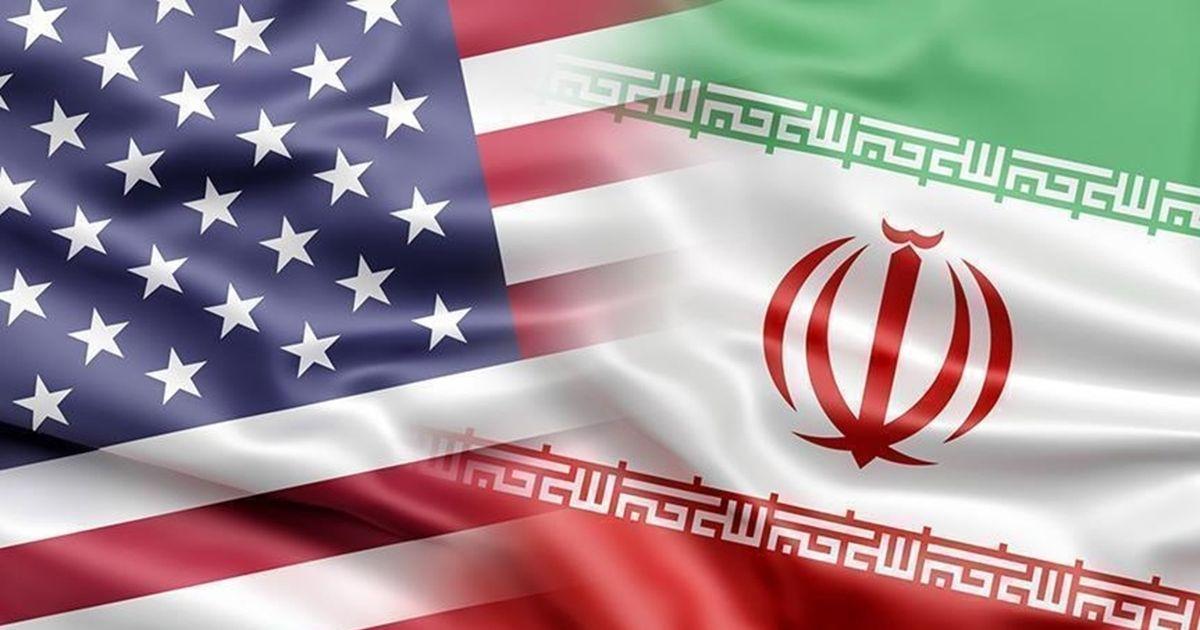
Donald Trump Sends U.S. Delegation to Pakistan for Iran Talks, Threatens Power Plants and Bridges
47 sources compared

Iran Rejects Trump Claims It Will Transfer Enriched Uranium to the United States
21 sources compared