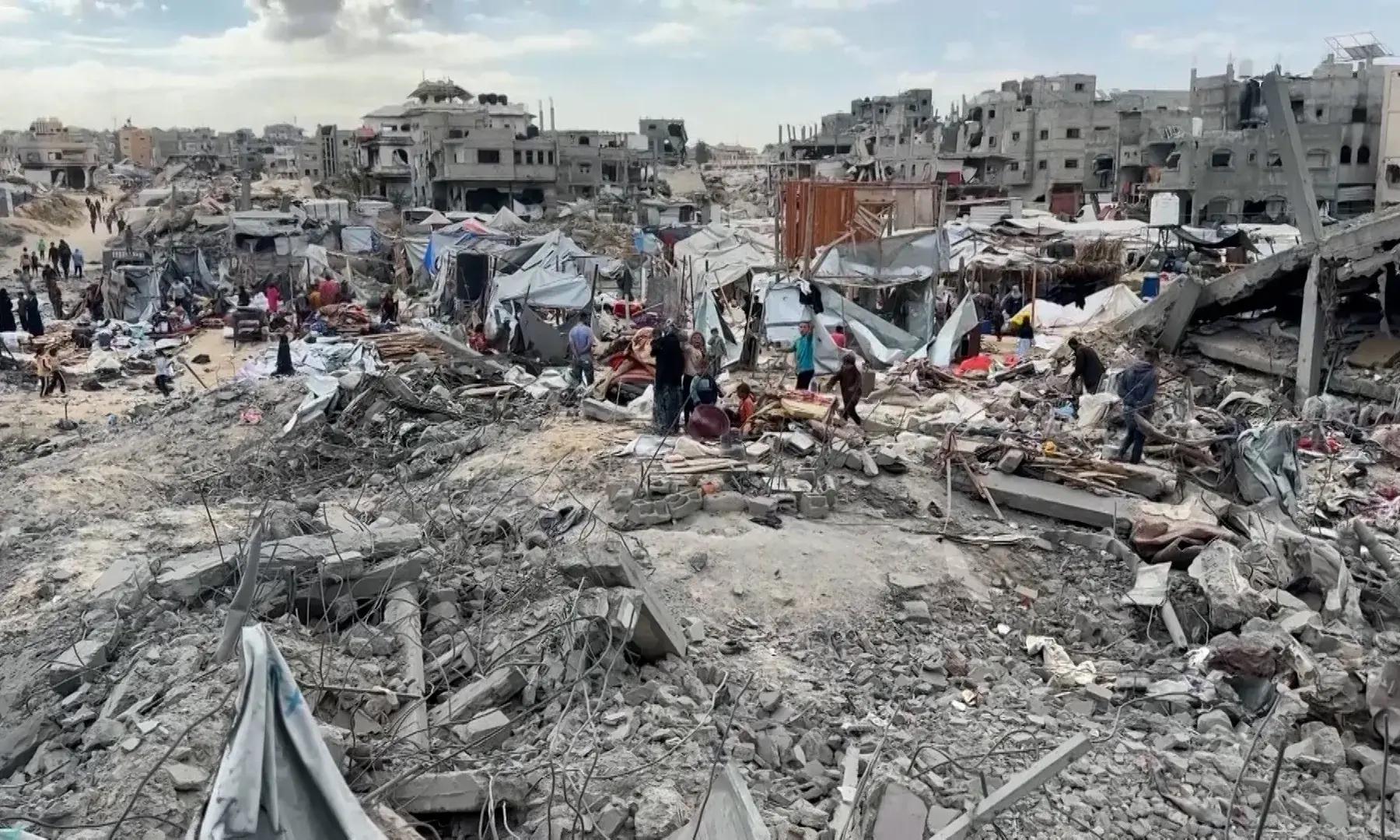
Israeli Forces Expand Control Across Gaza, Lebanon, And Syria, Covering 1,220 Square Kilometers
Key Takeaways
- Expansion into Gaza, Lebanon, and Syria since October 2023.
- Lines of demarcation and security belts mark new control zones.
- Durable on-ground realities and reshaped regional power dynamics.
Territory mapped, control expanded
Israeli forces have expanded control across Gaza, Lebanon, and Syria since the outbreak of the war in October 2023 by establishing security belts delineated by yellow lines on military maps, totaling about 1,220 square kilometers.
“Since October 7, 2023, Israeli military control maps in the surrounding area are no longer just lines announced by official statements or drawn by military maps; after each ceasefire agreement, a map appeared, and after every map questions about the ground began: where do the troops actually stand”
In the Gaza Strip, Israel continues to control about 60% of the territory, equal to about 220 square kilometers, extending from Beit Hanoun in the north to Rafah in the south, following the ceasefire reached in October 2025 as part of the plan proposed by the U.S. administration.

Channel 12 cited commander of the Northern Brigade in the Israeli army, Omri Meshiah, saying that the yellow line represents the current security border of the State of Israel, adding that the army will remain in those areas to ensure full freedom of operation.
In Syria, the Israeli army expanded inside Syrian territory after the fall of Bashar al-Assad's regime in December 2024, where it currently controls about 400 square kilometers in southern Syria, and established nine military sites extending up to 15 kilometers into Syrian territory and about 25 kilometers from Damascus.
In southern Lebanon, Israel occupies about 600 square kilometers with a depth reaching 10 kilometers inside Lebanese territory, with five Israeli military sites in the area, and plans to establish 20 additional sites.
Voices warn of fallout
Israeli officials and military experts warned of the consequences of the ongoing military expansion, citing a worsening crisis among reserve forces.
A researcher at the Institute for National Security Studies at Tel Aviv University, Ofer Shiloh, said the reserve system is collapsing completely, and that current military policies could exhaust the Israeli army domestically.
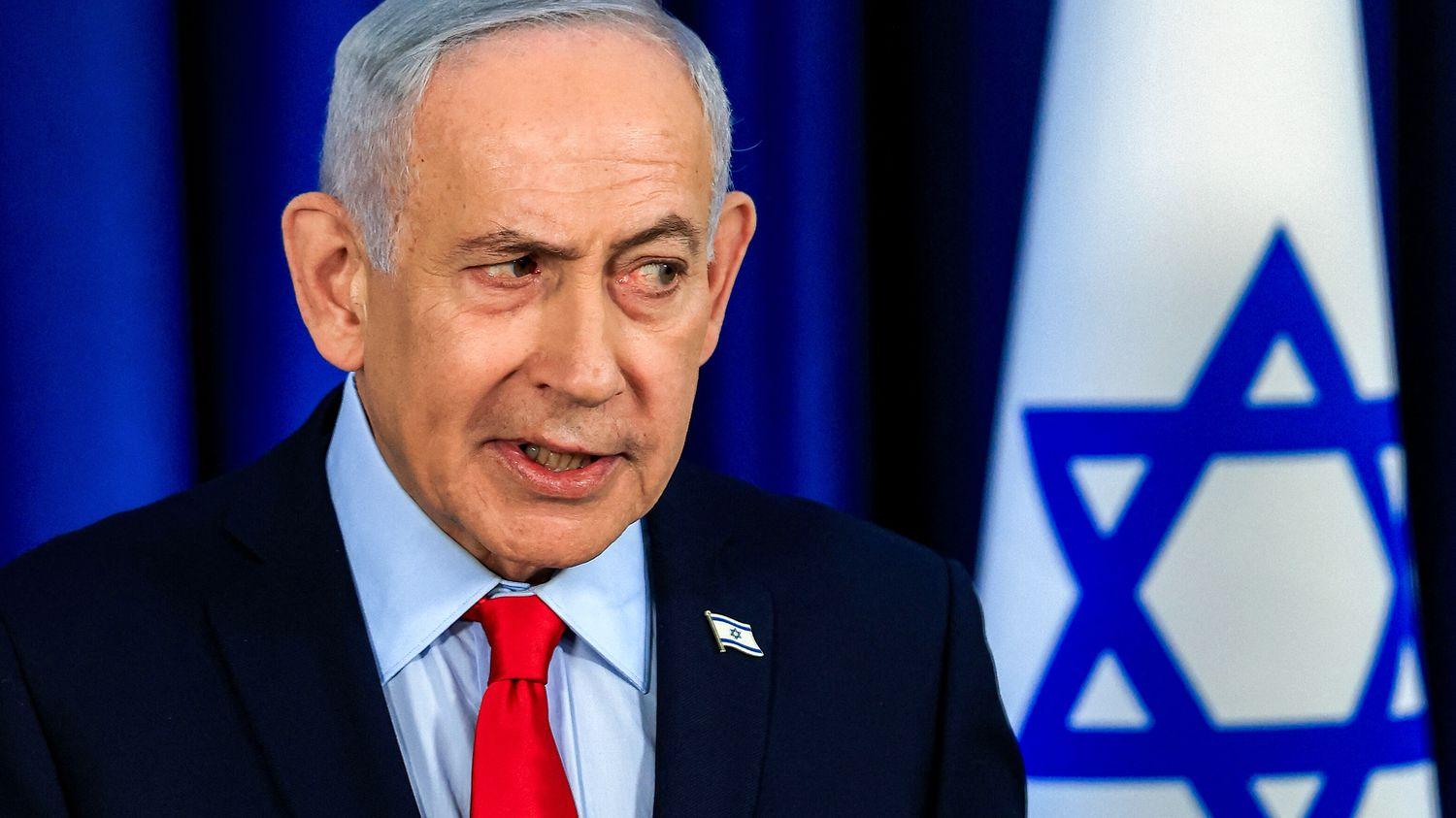
Reserve Brig. Gen. Yitzhak Gershon described the situation as a state of delusions of grandeur, urging Israel to declare that it has no regional territorial demands in Gaza, Lebanon, or Syria.
In a separate thread on the ground, Al Jazeera’s Digital Investigations Team said that in Gaza the yellow line drawn on Israeli maps after the ceasefire agreement signed on October 10, 2025 was presented as the boundary of Israeli military control inside the Gaza Strip, extending over an area estimated at about 200 square kilometers.
The investigation said that on November 20, the Gaza government media office announced that Israeli forces pushed into the eastern parts of Gaza City, moving the yellow markers westward and expanding their control by about 300 meters while Palestinian families were displaced from the Shuja’iyya and al‑Tuffah neighborhoods.
Lines, displacement, and risk
An Al Jazeera OSINT investigation said the yellow markers placed inside the Gaza Strip up to early February 2026 did not always stay within the official military line published on Israeli maps, and in several areas exceeded it by hundreds of meters.
“Behind the slogan of the 'Greater Israel' lies a strategy of regional domination, built on military superiority and constant pressure on neighboring countries, with decisive support from the United States”
The same investigation said that according to the October 2025 ceasefire maps, the yellow line covered about 53% of the Gaza Strip, but in Gaza City the area under Israeli military control increased from 67.3 square kilometers to 73.9 square kilometers, equal to 54.7% of its total area, an increase of 4.7%.
In southern Lebanon, the investigation said that official maps published by the Israeli army after the ceasefire signed on April 17, 2026 put the area under Israeli military control at about 570 square kilometers.
Franceinfo reported that Israeli prime minister Benjamin Netanyahu ordered his army to extend a 'buffer zone' into Lebanon, and said that since the start of the operations more than 1,200 Lebanese have died, according to the country's Ministry of Health, and more than a million people have been displaced.
Franceinfo also quoted Netanyahu’s remarks on Sunday, March 29, saying that Israel was 'the side that attacks, that initiates,' and that he ordered his army to 'extend the security zone'.
More on Gaza Genocide

Israeli Air Strike Kills Three, Including Six-Month-Old, In Nuseirat Refugee Camp
10 sources compared

Trump Tells U.S. Negotiators Not To Rush Iran Deal Ending War, Reopening Strait of Hormuz
13 sources compared
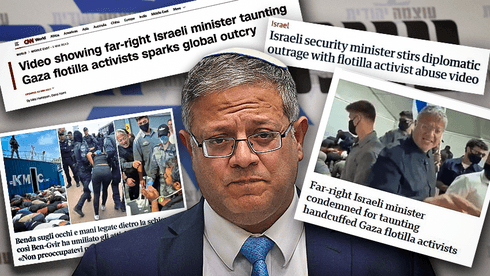
France Bans Itamar Ben-Gvir After Taunting Global Sumud Flotilla Activists
17 sources compared
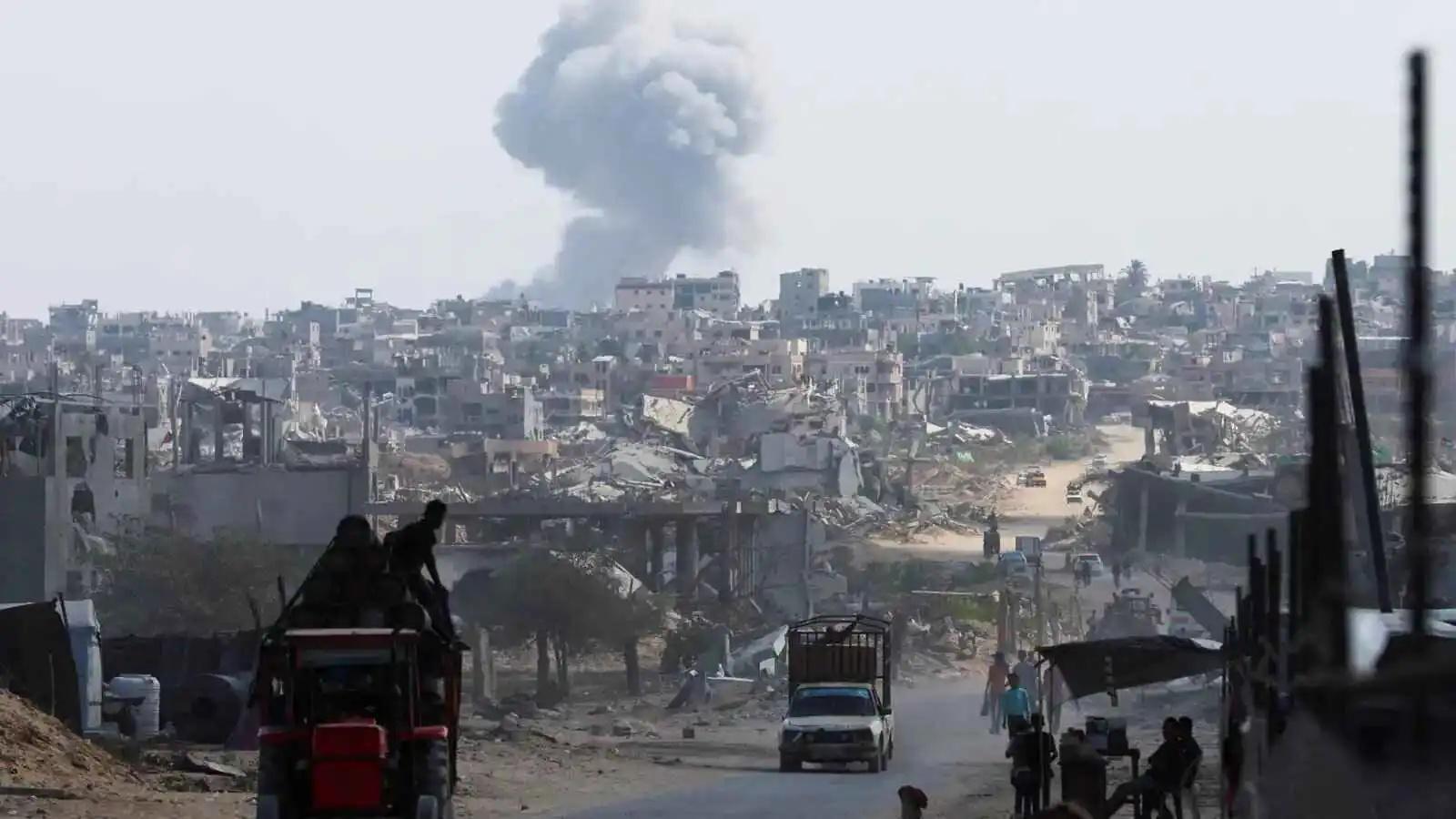
Israeli Strike Kills Five Policemen at Police Position Near Sheikh Radwan in Northern Gaza
25 sources compared