Israeli Forces Expand Gaza “Yellow Line,” Making Conditions “Ever More Dangerous”
Key Takeaways
- Israel established a Yellow Line buffer zone in southern Lebanon, echoing the Gaza precedent.
- The buffer extends up to the Litani River, about 10 kilometers deep, constraining civilian return.
- The move occurred during a US-brokered ceasefire that began on April 16.
Gaza’s “Yellow Line” advances
Israeli forces have been moving the “yellow line” in Gaza westwards over the six months since the ceasefire, expanding the army-controlled area and making the situation for Palestinians “ever more dangerous,” according to The Guardian.
“Israel’s doctrine of perpetual expansion As Israel and Lebanon prepare to hold a second round of direct negotiations in Washington on Thursday, President Joseph Aoun has said he has chosen to negotiate to save Lebanon, adding that the objective of the talks would be to end hostilities and remove the Israeli presence from southern Lebanon”
The “yellow line” was “agreed in the US-brokered ceasefire in October,” and was supposed to be temporary pending further Israeli withdrawals, but the partially observed truce “has stalled after its first phase amid disagreements over the disarming of Hamas, and continued Israeli bombardment of Gaza,” the paper reported.

The Guardian says the line has “crept forward in several places,” expanding the army-controlled area “well beyond the 53% of Gaza territory implied in the original ceasefire maps.”
It adds that “by December Israel had taken 58% of the strip and continued to edge forwards,” citing Forensic Architecture.
In some places, the line is marked by “yellow concrete blocks,” which “were moved in December and January as the army took more territory, particularly in urban areas,” The Guardian reported.
Residents described waking up to find the line had moved overnight and being placed in a “free-fire zone,” with Faiq al-Sakani, 37, in al-Tuffah saying, “The yellow line has advanced several times.”
He said the line moved “100 metres in January,” reaching “al-Sanafour roundabout near the Salah al-Din road,” and added, “During these advances, displaced people who had been staying near Salah al-Din Street were targeted.”
From Gaza to Lebanon
The “Yellow Line” is not confined to Gaza in the reporting, with multiple outlets describing it as a replicable security construct that Israel has carried into southern Lebanon.
The Indian Express says that when a 10-day ceasefire between Israel and Lebanon began on Thursday (April 16), “on Saturday, Israel announced that it has created a buffer zone, named the “Yellow Line”,” which will enable the forces to prevent the locals from returning to their homes, destroy Hezbollah infrastructure, and continue striking beyond the zone while enforcing a defence line reaching up to the Litani River.
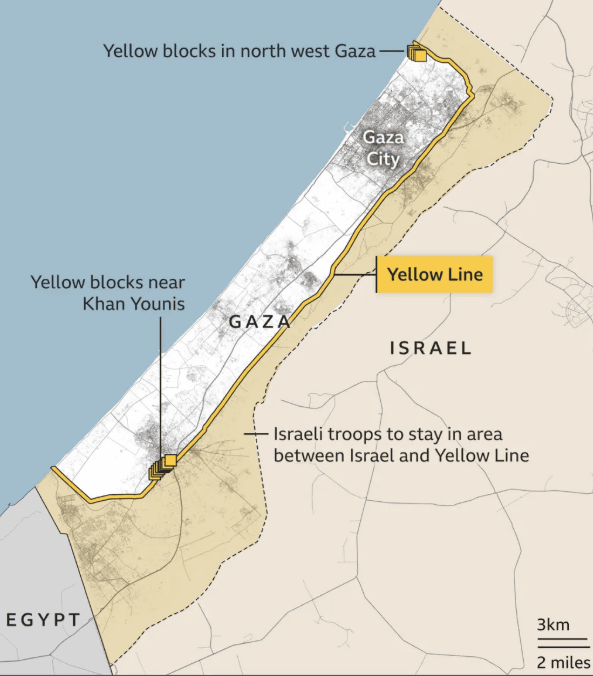
It describes the Yellow Line as having been “first introduced during the Gaza war in October 2025,” and says it is “a military demarcation and deployment boundary that effectively bifurcated the Gaza Strip between the territory under direct Israeli military control and Palestinian-controlled areas.”
The Indian Express further claims that in Gaza, IDF “deployed yellow-painted concrete bollards equipped with 3.5-metre-high poles spaced at 200-metre intervals deep inside the enclave,” and that IDF doctrine treats the area east of the line as “a closed military and free-fire zone.”
In southern Lebanon, Peoples Dispatch reports that Israeli forces established a “10-kilometer-deep buffer zone, dubbed the “”, inside southern Lebanon,” describing it as a move “a couple of days after US President Donald Trump announced a between Israel and Lebanon on Thursday, April 16.”
France 24 likewise says Israel’s military “had established a ‘Yellow Line’ demarcation in southern Lebanon, similar to one separating its forces from Hamas-held areas in Gaza,” and that it “had hit a ‘terrorist cell’ operating near its troops along the line.”
Arab News PK frames the development as a continuation of a “doctrine of perpetual expansion,” saying Israel created “a 10-km so-called buffer zone inside southern Lebanon” that includes “more than 55 villages,” and that it “Borrowing from its Gaza experience” to create a “Yellow Line” demarcating the territory under its control.
Competing justifications and legal claims
Israel’s military justification for the “yellow line” and its adjacent restrictions is presented in The Guardian through an Israeli military spokesperson’s statement, while UN human rights leadership rejects the legal framing.
“Source: IE Subject: Mapping Context: The Israeli government has officially expanded the Yellow Line strategy from the Gaza Strip to southern Lebanon, establishing a militarized buffer zone that extends up to the Litani River”
The Guardian reports that the IDF defended its actions along the yellow line by arguing that “their soldiers have the right to protect themselves from perceived imminent threats in a tense environment,” and it quotes an Israeli military spokesperson saying, “The IDF is working to visually mark the yellow line, in accordance with terrain conditions and the continuously updated operational assessment.”
The spokesperson adds, “As part of these efforts, the IDF informs the local population in Gaza of the line’s location and works to mark it on the ground in order to reduce friction and prevent misunderstandings,” and further states, “Signs are posted in the area indicating that it is forbidden to approach it.”
The same statement says, “It should be emphasised that the IDF does not operate against civilians and does not target civilians solely due to their proximity to the line.”
The Guardian then contrasts that position with the UN human rights commissioner Volker Türk, who rejected the claim that civilians killed when perceived as threats could be treated as a legal defense.
It quotes Türk saying, “Targeting civilians not taking direct part in hostilities is a war crime, regardless of their proximity to deployment lines.”
The Guardian also reports that aid organisations in Gaza were told by Israeli liaison officers that the edge of a separate “orange line” required coordination if they crossed it, but that the “orange line existed only on maps” and “was never marked.”
Hezbollah rejects one-sided truce
In southern Lebanon, Hezbollah’s response to the ceasefire and the establishment of a “Yellow Line” is presented as a rejection of any one-sided arrangement and a vow to continue resistance.
Peoples Dispatch reports that Hezbollah “harshly criticized the deal, saying ‘a truce with Israel cannot be one-sided’,” and it says the group “vowed to continue the resistance against the IOF in southern Lebanon, because Israel has not stopped its aggression on the Arab country, despite the ceasefire.”
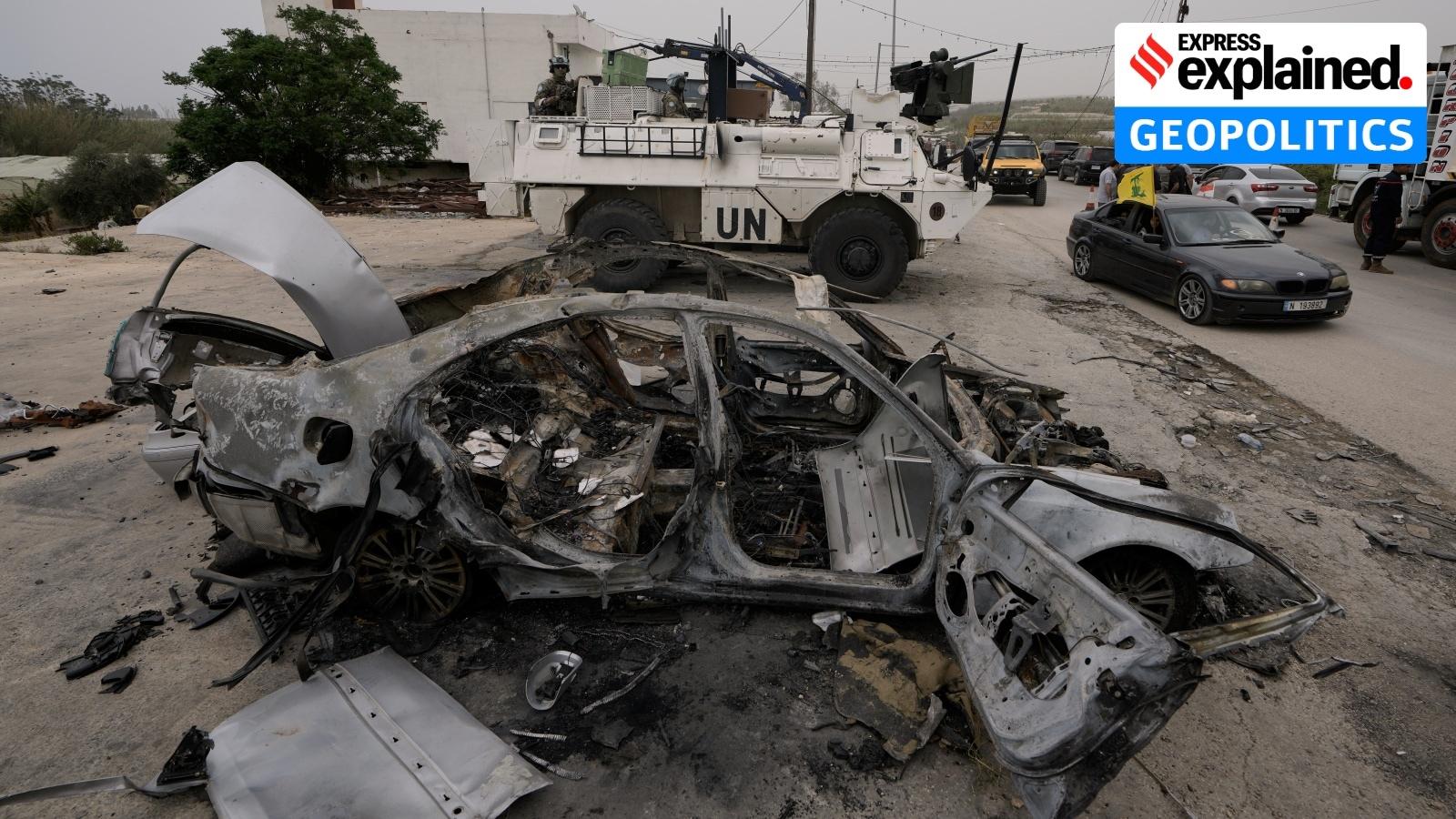
It quotes Hezbollah Secretary General Sheikh Naim Qassem saying, “A ceasefire means a complete cessation of all hostilities. Because we do not trust this enemy, the resistance fighters will remain in the field with their hands on the trigger, and they will respond to violations accordingly,” and adds, “There is no ceasefire from the side of the resistance only, it must be from both sides.”
Qassem is also quoted criticizing the deal as “US-dictated” and “a humiliation for Lebanon,” saying it was reached through direct talks with the “Israeli enemy.”
Peoples Dispatch further says Israel prevented residents of “55 villages” within the Yellow Line from returning to their homes, and it frames this as a second “Nakba” in the Lebanese context, quoting Lebanese-American journalist Rania Khalek that “The Israelis are carrying out a Nakba in South Lebanon, openly and proudly for the world to see.”
Khalek is quoted saying, “They are gloating about it as they occupy villages, demolish and blow up homes and tell Lebanese residents they cannot return, and if they try they are killable.”
Arab News PK similarly describes the buffer zone as including “more than 55 villages” and says Israel “systematically destroyed and declared off-limits,” leaving “tens of thousands of inhabitants displaced and homeless.”
What comes next: maps, control, and expansion
Across the Gaza and Lebanon reporting, the “Yellow Line” is described as a mechanism that can entrench control through physical markers, fortified positions, and shifting operational boundaries, with UN and human rights bodies warning about displacement and legal consequences.
“Israeli forces have been moving an agreed truce line in Gaza westwards over the six months since the ceasefire, expanding their zone of control and making the state of limbo ever more dangerous for Palestinians”
The Guardian says the army has extended “a chain of earth berms” along the line, “dominating neighbourhoods and giving tank gunners and snipers a line of sight over large tracts of ruined Palestinian cities,” and it reports that “More than 10 miles of berms have been erected already, according to Haaretz.”
It adds that “Seven new concrete forts have been built in recent months, bringing the total across the strip to 32,” and that “All of the new construction has been along the yellow line.”
The Guardian also describes an “unmarked zone” where “any Palestinian person or vehicle is considered a threat and a legitimate target,” and says aid organisations were told the edge of that zone was the “orange line” that existed “only on maps.”
It reports that the UN said “10 UN facilities were now on the wrong side of it, including emergency shelters for displaced people,” and it quotes Palestinian-American legal scholar Ahmad Ibsais arguing the motive was “to drive out the Palestinian population,” describing it as “a method of annexation deliberately designed to evade legal consequences.”
The Indian Express and other outlets frame the “Yellow Line” as a forward defensive posture that can become a permanent feature, with the Indian Express saying the line “seems to have become a regular feature of the Israeli security strategy” and that it “effectively bifurcated the Gaza Strip” while restricting access.
In Lebanon, Arab News PK says Israel seeks “to maintain permanent control of some 14,000 sq. km of land under the ‘buffer zone’ banner,” and it states that “Israel’s doctrine of perpetual expansion” includes “effective annexation of about 60 percent” of the West Bank and “occupies another 60 percent of the Gaza Strip behind what Israel calls the ‘Yellow Line’ (about 219 sq. km).”
More on Gaza Genocide
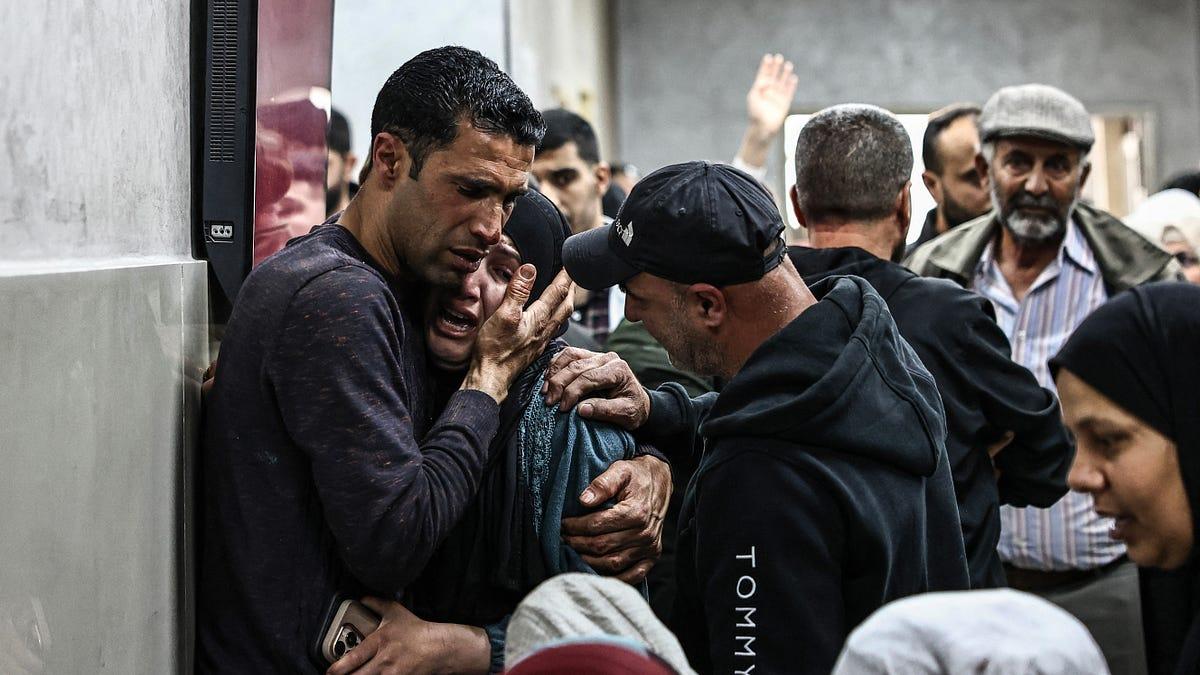
Israeli Forces Fire Tear Gas At Funeral Of Aws Hamdi Al-Nassan And Jihad Abu Na'im Near Ramallah
13 sources compared
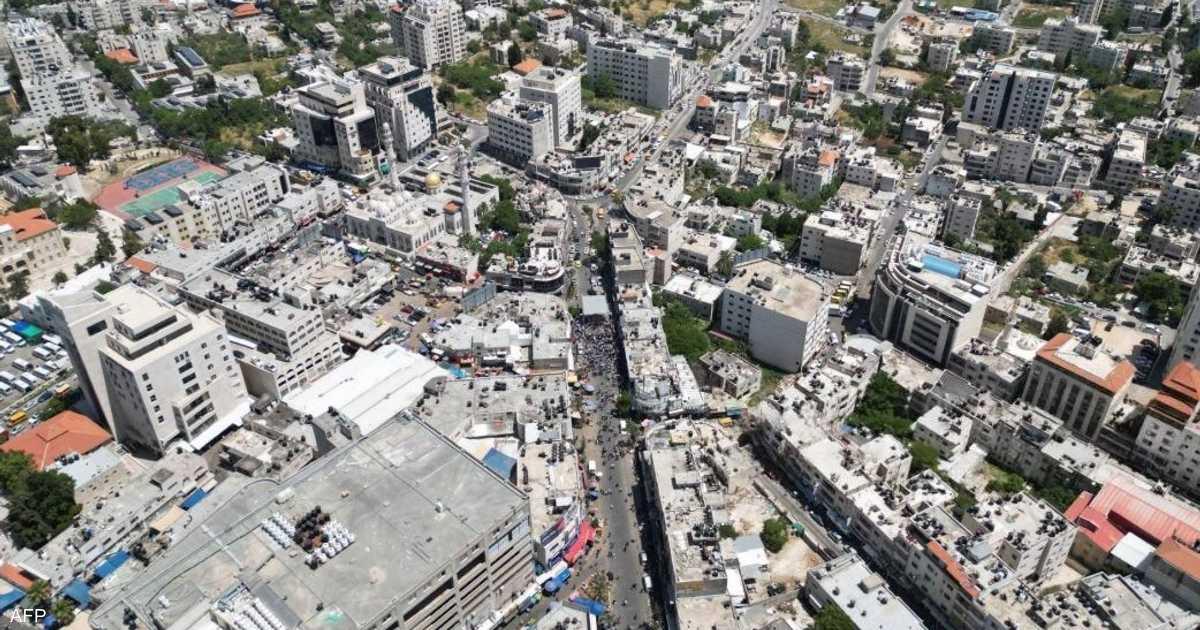
Israel Blocks Saudi-Led Arab Ministers From Visiting Ramallah to Meet Mahmoud Abbas
14 sources compared
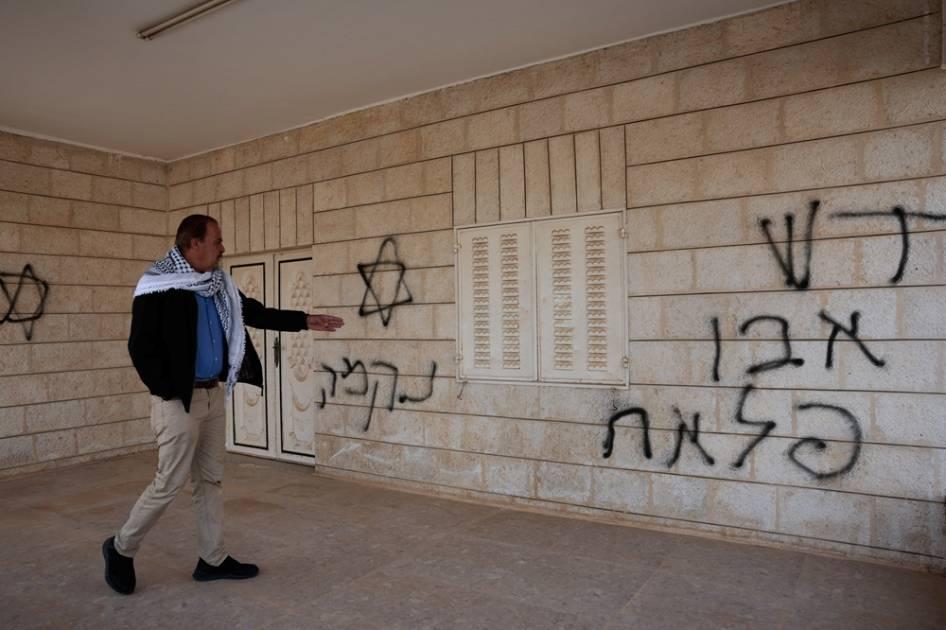
Israeli Settlers and Soldiers Kill Aws Al-Naasan, 14, and Jihad Abu Naim in al-Mughayyir
22 sources compared
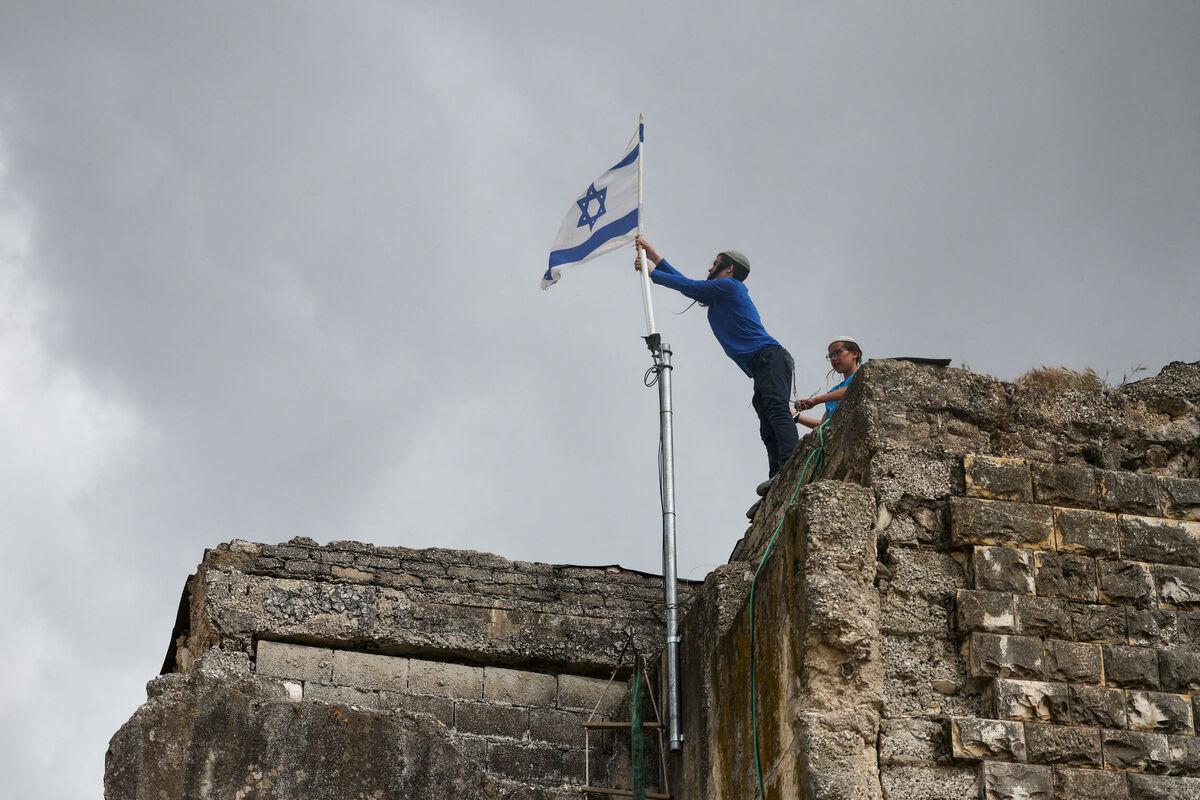
Spain, Ireland, and Slovenia Push to Suspend EU-Israel Deal as Germany and Italy Block
10 sources compared