Israeli Forces Kill Palestinians in Gaza and West Bank, Al Jazeera Reports
Key Takeaways
- Israeli attacks kill Palestinians in Gaza and West Bank, including women and children.
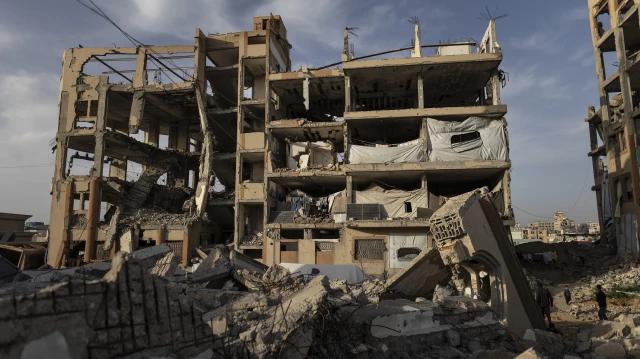
- Displacement and housing destruction escalate as civilians are forced to flee.
- Ceasefire violations and intensified attacks draw international warnings.
Attacks, deaths, and aid limits
Israel’s strikes and drone attacks across Gaza continued through the week covered by Al Jazeera, with multiple incidents described on specific dates and locations.
On April 14, Al Jazeera says a strike on a police vehicle on al-Nafaq Street in Gaza City killed four people, including three-year-old Yahya al-Malahi, whose father said his family had been leaving a relative’s wedding.
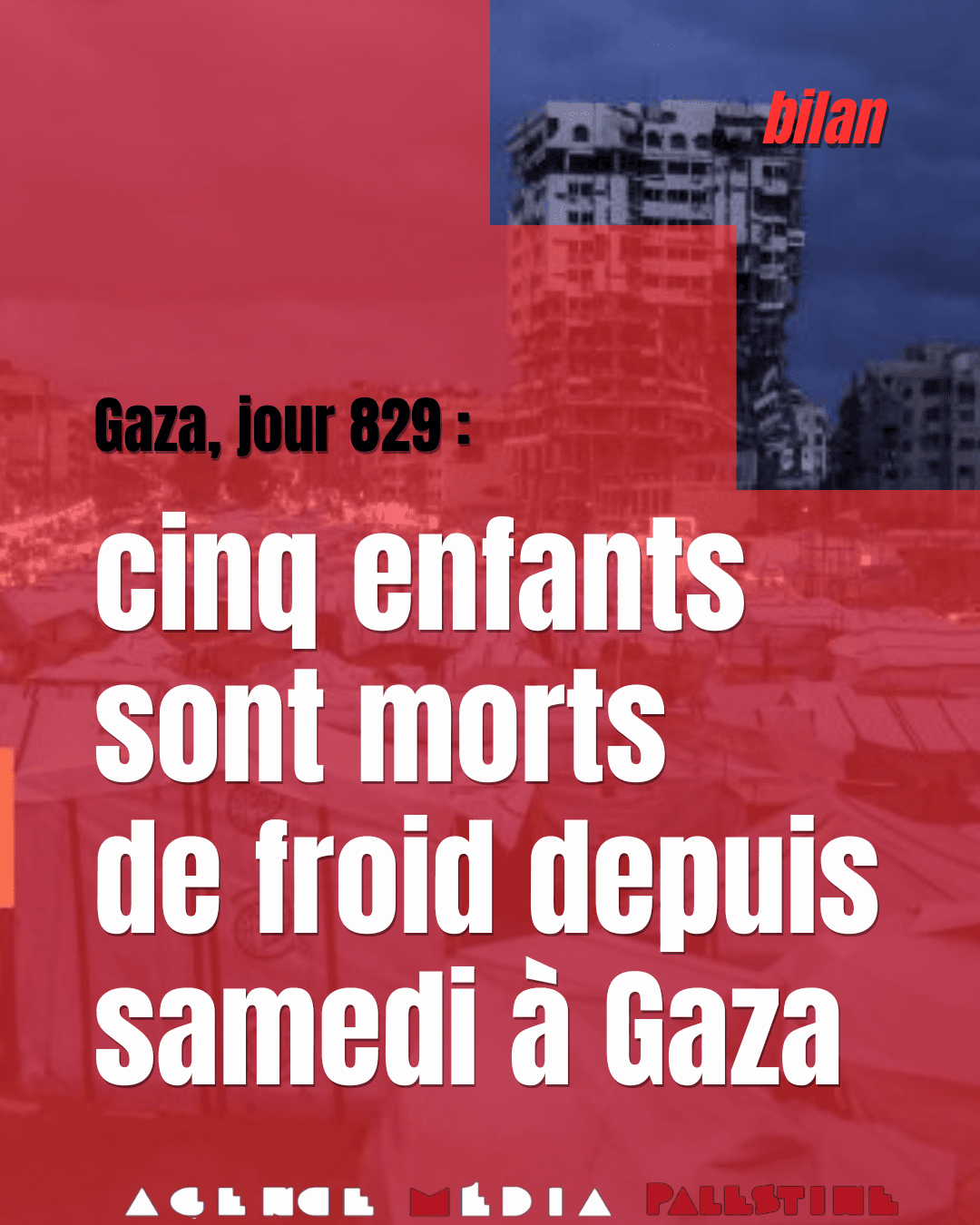
The same day, Al Jazeera reports that a strike on the Shati refugee camp killed at least five more.
On April 16, Al Jazeera reports that brothers Abdelmalek and Abdel Sattar al-Attar were killed in Beit Lahiya, in an area witnesses said fell outside the zone under Israeli military control along the so-called “yellow line.”
On April 17, Al Jazeera says brothers Mahmoud and Eid Abu Warda were shot dead by a drone while trying to get water in Gaza City’s Shujayea neighbourhood, and a drone separately struck a water desalination facility in the same area, killing one more.
Al Jazeera adds that the following day, two civilian contractors delivering water on behalf of the United Nations Children’s Fund (UNICEF) were shot dead by Israeli troops in northern Gaza.
Al Jazeera also provides cumulative figures, saying that “Since the October ceasefire, 777 Palestinians in Gaza have been killed and at least 2,193 injured, as of April 20,” and that “Since October 7, 2023, the cumulative death toll stands at 72,553,” revised upward after the Gaza Ministry of Health certified an additional 196 deaths.
On aid access, Al Jazeera cites the UN Office for the Coordination of Humanitarian Affairs (OCHA), saying “United Nations and partner aid inflows declined by 37 percent between the first and second three-month periods following the ceasefire,” and that bakeries scaled back production due to dwindling flour and fuel, with Palestinians reporting hours-long queues for bread.
Cairo talks and occupation calls
While Gaza’s humanitarian crisis worsened, Al Jazeera describes a diplomatic track in parallel: “US-Hamas diplomatic talks in Cairo” that focused on “implementing phase-one commitments before any discussion of disarmament,” with “No official agreement has been reached.”
In the same account, Al Jazeera says Israeli Finance Minister Bezalel Smotrich called on Israeli Prime Minister Benjamin Netanyahu to order the military to “immediately prepare for the full occupation of the Gaza Strip” and establish Israeli settlements there if Hamas refuses to disarm entirely.

Al Jazeera adds that Smotrich made the declaration while attending a ceremony commemorating the re-establishment of the illegal settlement of Sa-Nur, which had previously been dismantled by Israel in 2005 along with settlements in Gaza and several others in the northern West Bank.
Al Jazeera frames the week’s backdrop as routine for Israeli policy, citing “United Nations experts” describing Israeli policy as “ethnically cleansing the West Bank through daily attacks resulting in killing, injury, and harassment of women and children, and the widespread destruction of Palestinian homes, farmland and livelihoods”.
Al Jazeera also quotes UN-linked diplomatic messaging through Baker of Peace envoy Nickolay Mladenov, who told an Egyptian news channel that Israeli restrictions at border crossings remain “the primary obstacle” preventing sufficient aid from reaching Gaza.
The alternative outlet Oz Arab Media repeats the same Gaza casualty and aid-access figures, stating that “777 Palestinians have been killed since the ceasefire on October 7, 2023” and that the UN Office for the Coordination of Humanitarian Affairs reported a “37 percent decline in aid inflows following the ceasefire.”
Oz Arab Media similarly emphasizes border restrictions as “the primary obstacle to delivering sufficient aid,” tying the humanitarian squeeze to the broader violence described by Al Jazeera.
Taken together, the sources depict a week where talks in Cairo did not produce an agreement, while Israeli officials and ceremonies tied to settlements continued alongside the strikes and constrained aid flow.
West Bank attacks and outposts
Al Jazeera reports that the week’s most sustained violence in the West Bank took place across a cluster of villages northeast of Ramallah: Khirbet Abu Falah, al-Mughayyir, and Turmus Aya.
The outlet says three new illegal Jewish outposts have been established in the past two months, “all on privately owned Palestinian land in Area B,” which it describes as supposed to be under limited administrative control of the Palestinian Authority.
Al Jazeera adds that one outpost was built on land from which the Abu Najjeh community—already forcibly displaced from Ein Samiya in the summer of 2023—was recently violently expelled.
On April 18, Al Jazeera says settlers launched simultaneous coordinated attacks on all three villages, according to local activists.
In Turmus Aya, Al Jazeera reports that settlers arriving in “more than a dozen vehicles” burned a home and a car, with a military force near the outpost refusing to intervene, according to local activists.
In Khirbet Abu Falah, Al Jazeera says “dozens of settlers gathered at a newly established” outpost, but the provided text cuts off before detailing what happened next.
Oz Arab Media also describes coordinated attacks on villages near Ramallah, saying “settlers launched coordinated attacks on several villages near Ramallah” and that “Settler groups established new outposts on Palestinian land, leading to confrontations with residents.”
Oz Arab Media further claims that “Israeli forces reportedly facilitated these attacks,” linking the violence to a “climate of fear and displacement.”
Voices: officials, federation, and UN-linked experts
The sources include multiple voices describing the violence and its meaning, ranging from Palestinian political leadership to UN-linked warnings.
Al Jazeera quotes “United Nations experts” describing Israeli policy as “ethnically cleansing the West Bank through daily attacks resulting in killing, injury, and harassment of women and children, and the widespread destruction of Palestinian homes, farmland and livelihoods”.
It also quotes Baker of Peace envoy Nickolay Mladenov telling an Egyptian news channel that Israeli restrictions at border crossings remain “the primary obstacle” preventing sufficient aid from reaching Gaza.
On the Palestinian side, channel Al-Mamlaka carries an interview with Mustafa Barghouti, secretary-general of the Palestinian National Initiative, who said Israel is exploiting the war on Iran to escalate assaults in Jerusalem and the West Bank.
Barghouti told Al-Mamlaka that Israel carried out “three major operations in the West Bank amid this war,” including “the launching of terrorist settler gangs that carried out widespread attacks on Palestinians, including burning homes and farms and firing live rounds, which left nine Palestinians martyred in several villages.”
Barghouti also warned that Israel has not ceased violations of the ceasefire in the Gaza Strip, saying these violations “exceeding 1,650 times,” and he argued that “what is happening aims to re-displace Palestinians from their lands.”
For UN-linked framing, Euronews reports that UN-affiliated experts expressed “grave concern” about “forced displacement” and said: “This cycle of displacement, fear, and deliberate attacks serves one ultimate aim: to make life unbearable for Palestinians and permanently force them to leave their lands.”
Euronews also quotes the experts warning that “targeting areas known to shelter civilians who have been displaced constitutes a violation of international humanitarian law,” and it adds that the experts called the pattern “crimes against humanity under international law.”
Legal stakes and displacement warnings
Euronews reports a UN warning that links Gaza destruction and West Bank evictions to “forced displacement,” describing a cycle of displacement and attacks that UN-affiliated experts say is designed to make leaving permanent.
The outlet says experts pointed out that “the vast majority of Gaza's population has been displaced multiple times as a result of repeated evacuation orders and the widespread destruction that has affected 92% of housing, which amounts to a forced transfer of the population.”

Euronews adds that the experts expressed “grave concern” over “the intensification of Israeli military attacks targeting sites housing Palestinian displaced people in western Gaza City,” while also warning of “rising patterns of 'forced displacement' in the West Bank, including East Jerusalem.”
The experts’ statement, as quoted by Euronews, says: “This cycle of displacement, fear, and deliberate attacks serves one ultimate aim: to make life unbearable for Palestinians and permanently force them to leave their lands.”
Euronews also says the experts warned that “targeting areas known to shelter civilians who have been displaced constitutes a violation of international humanitarian law,” and it describes the pattern as “crimes against humanity under international law.”
The article further ties the warning to specific displacement figures, stating that “more than 36,000 Palestinians were forcibly displaced during 2025, according to a new report from the UN Human Rights Office,” and it says the displacement coincides with “the expansion of illegal settlement activities and rising violence.”
Euronews then warns of imminent eviction and demolition operations in Silwan, saying they “could lead to further forced displacement of Palestinian families.”
In parallel, Amnesty International France frames the stakes in terms of human rights and legal accountability, stating that “Israel continued to commit genocide and apartheid crimes” and that “In the West Bank, the escalation of attacks and killings carried out by settlers and by Israeli security forces, as well as other human rights abuses, have led to the forcible transfer of civilians.”
More on Gaza Genocide

Israel Kills Hind Rajab and Family as They Try to Flee Gaza City
11 sources compared

Israeli Settlers Set Fire to Palestinian Home in Jalud, Injuring Residents in West Bank
10 sources compared
Palestinians Vote In Deir Al-Balah And West Bank Municipal Elections After Hamas Exclusion
21 sources compared
Israeli Attacks Kill At Least Four Palestinians in Gaza Despite Ceasefire
22 sources compared