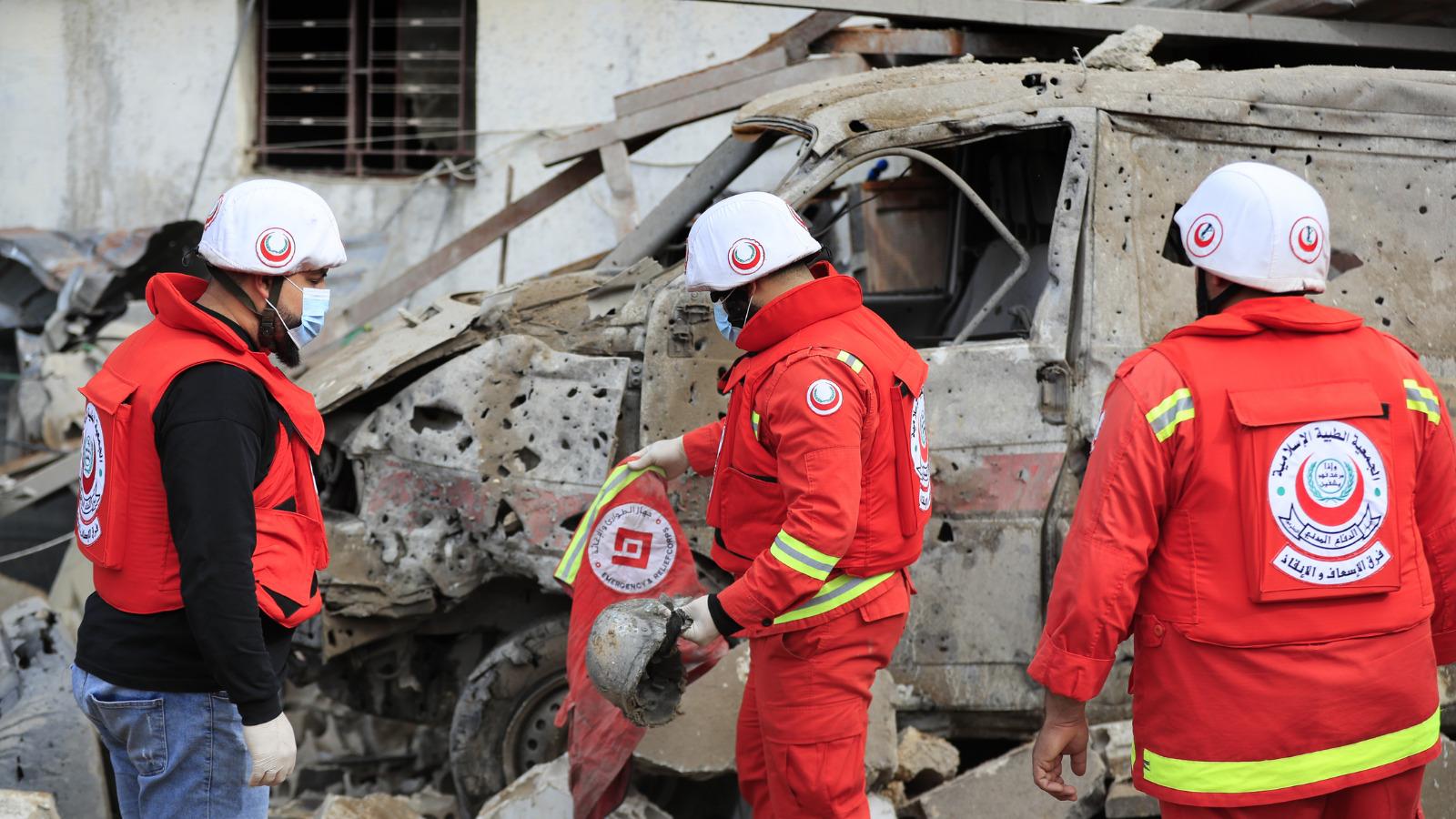
Israeli Forces Use Double-Tap Strikes, Kill 16-Year-Old Rescuer In Nabatieh
Key Takeaways
- Israeli strikes in Nabatieh killed civilians.
- Joud Souleiman, 16, paramedic, killed in Nabatieh.
- Rescue efforts in Nabatieh were delayed due to fear of further strikes.
New double-tap pattern revealed
The most important new development is the emergence of a documented pattern of 'double-tap' strikes aimed at emergency responders in Lebanon and the wider West Asia theatre.
“Hezbollah said that its attack came in response to the Israeli army's raids on the village of Kfour in Nabatieh, north of the Litani line, earlier on Saturday, killing 10 people, including Syrian children and their mother, and wounding others, including Sudanese workers”
The Siasat Daily describes 'double-tap' strikes as two hits on the same target within minutes, a tactic designed to injure or kill responders rushing to help victims.
The Nabatieh strike that killed Joud Souleiman, a 16-year-old paramedic, concretely demonstrates the pattern’s human cost in real time.
Lebanon’s health ministry has tallied paramedics among the casualties—reporting dozens killed since the campaign intensified in early March.
This is presented not as incidental collateral damage but as a deliberate tactic that creates a chilling effect on rescue operations and civilian aid.
Nabatieh paramedic death specifics
Two paramedics on a motorcycle—Ali Jaber and Joud Sleiman—were struck while heading to the scene, wearing emergency uniforms.
Reuters was cited by Siasat Daily as reporting the names of the victims, indicating an identified, non-anonymous casualty.
Joud Sleiman was 16 years old, and the scene was described as rapidly unfolding, with the father and other rescuers publicly reacting to the loss.
The article notes that Joud’s death was witnessed live on camera, underscoring the chilling, real-time nature of the attack.
The broader pattern of targeting emergency responders—especially when they are visibly marked and attempting to save lives—is a central and alarming aspect of the Nabatieh strike.
Broader escalation and cross-border context
The broader escalation is described as part of the West Asia security dynamic, with Lebanon's border area seeing Israeli raids and Hezbollah responses.
Hezbollah framed its actions as retaliatory to an Israeli raid on Kfour in Nabatieh that killed multiple civilians, including a Syrian family, according to local reports summarized by Bamada.net.
Bamada.net notes Hezbollah claimed to strike Israeli settlements with Katyusha rockets and to target a gathering of soldiers with drones, illustrating how cross-border retaliation compounds civilian harm.
The Israeli side publicly claimed they were targeting Hezbollah depots, while reporting a drone incident and cross-border fire indicates a blurring of lines between military actions and civilian risk.
The Siasat Daily contextualizes these exchanges within the ongoing US-Israel-Iran confrontation, suggesting that the current killings and cross-border strikes are intertwined with larger strategic aims.
Human cost and accountability
Non-Western outlets reference Avaaz’s report as showing proof of killings of Hind Rajab and emergency workers, highlighting activist-driven accountability mechanisms.
The Today article foregrounds the human dimension with a caption-like phrase about ‘behind the numbers, there are names and faces,’ emphasizing personal tragedy over abstract casualty totals.
Public health authorities in Lebanon have documented paramedics among the casualties, illustrating how protection gaps for rescue services have real-life consequences on the ground.
These narratives push back against depersonalized framing and call for independent investigations and stronger protections in conflict zones.
Policy implications and protections
The Nabatieh case highlights systemic risk to rescuers, raising questions about the enforcement of protections for medical personnel under international humanitarian law.
“Nabatieh: Emergency health workers in Lebanon’s Nabatieh city are reportedly delaying their rescue efforts in areas getting bombed to avoid being targeted in Israel’s “double-tap” strikes”
Observers argue for concrete measures—deconfliction channels, safe corridors, and rapid attribution—to deter and document attacks on ambulances and paramedics.
The pattern of 'double-tap' strikes, as described by multiple outlets, calls for a reevaluation of how conflict actors are held accountable for targeting humanitarian responders.
Non-Western reporting underscores that protecting medics is a global concern and that accountability should extend beyond conventional geopolitical narratives.
More on Lebanon
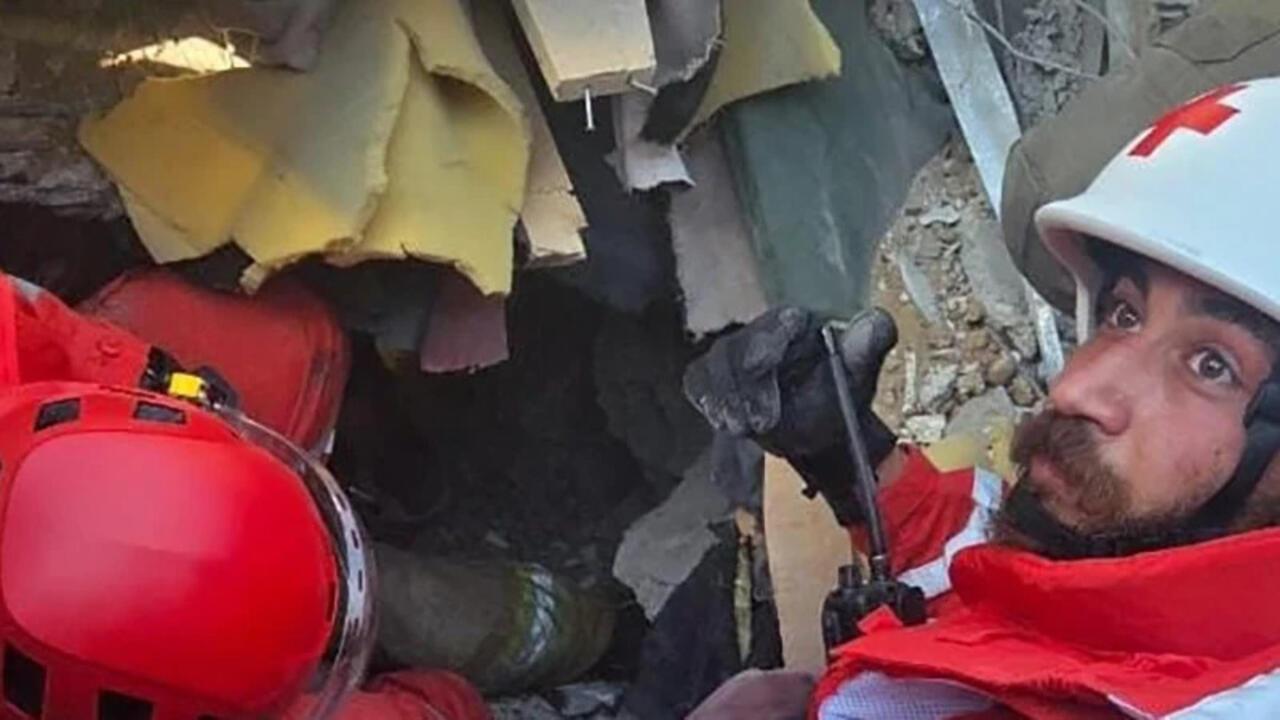
Israel Says Al-Manar Reporter Ali Shoaib Was Hezbollah Operative After Strike Killed Three Journalists
24 sources compared
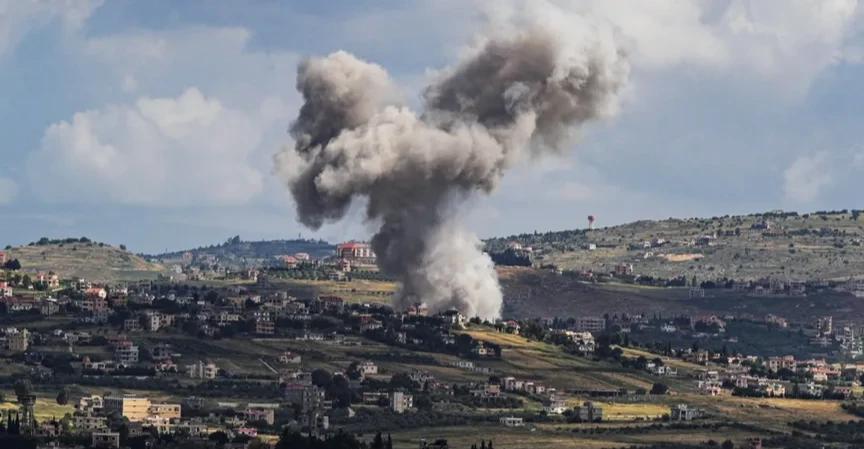
Israeli Army Strikes Marked Press Car In Jezzine, Kills Three Journalists; Lebanon Disputes Operative Claim
19 sources compared
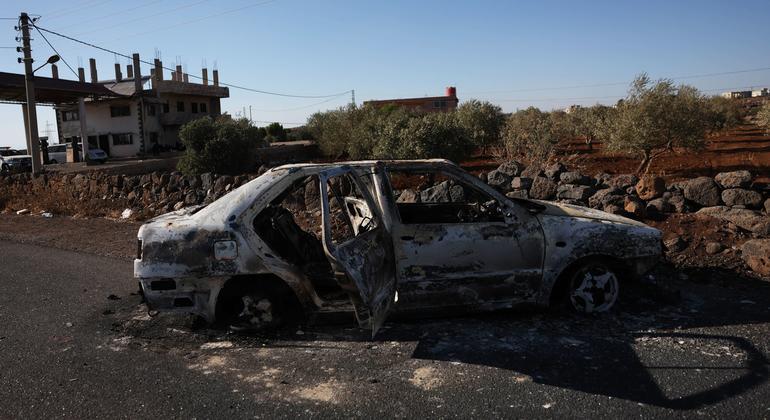
UN COI Says Sweida Violence May Be War Crimes, Demands Damascus Identify Leaders
15 sources compared

Israel Acknowledges Killing Al-Manar Journalist Ali Shoeib, Labels Him Hezbollah Operative Without Evidence
11 sources compared